Toenail Injuries That Plague Runners

Runners frequently develop toenail injuries from repeated pressure inside their shoes. Long-distance running, steep hills, and shoes that are too tight can cause the toenails to strike the front of the shoe again and again. This repeated stress can lead to black toenails, bruising under the nail, and painful swelling around the nail. Some runners also lose a toenail after a race. Cracked nails and torn skin near the nail can develop after trail running on uneven ground. These injuries can make running painful and increase the risk of infection. A podiatrist can examine the nail, relieve pressure under the nail, and treat damaged skin or infection. Custom orthotics and proper shoe recommendations can also help reduce repeated trauma to the toes while running. Early treatment can help protect the nail and prevent long-term nail changes. If you have developed toenail problems as a result of running, it is suggested that you make an appointment with a podiatrist for treatment.

Exercising your feet regularly with the proper foot wear is a great way to prevent injuries. If you have any concerns about your feet, contact one of our podiatrists of Family Foot Health Center. Our doctors will treat your foot and ankle needs.

How to Prevent Running Injuries

Many common running injuries are caused by overuse and overtraining. When the back of the kneecap starts wearing out and starts causing pain in your knee, this is commonly referred to as runner’s knee. Runner’s knee is a decrease in strength in your quadriceps and can occur if you’re not wearing properly fitted or supporting shoes. To prevent runner’s knee, focusing on hip strengthening is a good idea, as well as strengthening your quads to keep the kneecaps aligned.

What Are Some Causes of Running Injuries? 
- One cause of a common running injury is called iliotibial band syndrome.
- Plantar fasciitis is also another common injury.
- Stress fractures can occur from overtraining, lack of calcium, or even your running style.

Best Ways to Prevent Running Injuries
- Wear footwear that fits properly and suits your running needs.
- Running shoes are the only protective gear that runners have to safeguard them from injury.
- Make a training schedule. Adding strengthening exercises as well as regular stretching can help keep you strong and limber and can lessen the possibility of injuries.
- Stretching keeps muscles limber; this will help you gain better flexibility.

If you have any questions, please feel free to contact our office located in Rogers and Berryville, AR . We offer the newest diagnostic and treatment technologies for all your foot care needs.

Read more about How to Prevent Running Injuries

Causes and Treatment of Toenail Psoriasis

Toenail psoriasis affects how the nails grow and appear. This condition occurs when the immune system attacks healthy nail tissue by mistake, causing inflammation. It can lead to thickened nails, and color changes. Small dents may appear on the surface, and nails may lift from the skin underneath. In some cases, pain or pressure may be felt when walking. These symptoms can easily be mistaken for a fungal toenail  infection. A podiatrist can examine the nails, confirm the cause, and provide proper care to improve nail appearance and comfort. Treatment focuses on slowing the rapid nail growth and reducing inflammation. Options include medicated creams, oral medications, and small injections placed near the nail. If you have symptoms of toenail psoriasis, it is suggested that you make an appointment with a podiatrist for a diagnosis and treatment.

Toe pain can disrupt your daily activities. If you have any concerns, contact one of our podiatrists of Family Foot Health Center. Our doctors can provide the care you need to keep you pain-free and on your feet.

What Causes Toe Pain?

Most severe toe pain is caused due to a sports injury, trauma from dropping something heavy on the toe, or bumping into something rigid. Other problems can develop over time for various reasons.

Toe pain can be caused by one or more ailments. The most common include:

  • Trauma
  • Sports injury
  • Wearing shoes that are too tight
  • Arthritis
  • Gout
  • Corns and calluses
  • Hammertoe
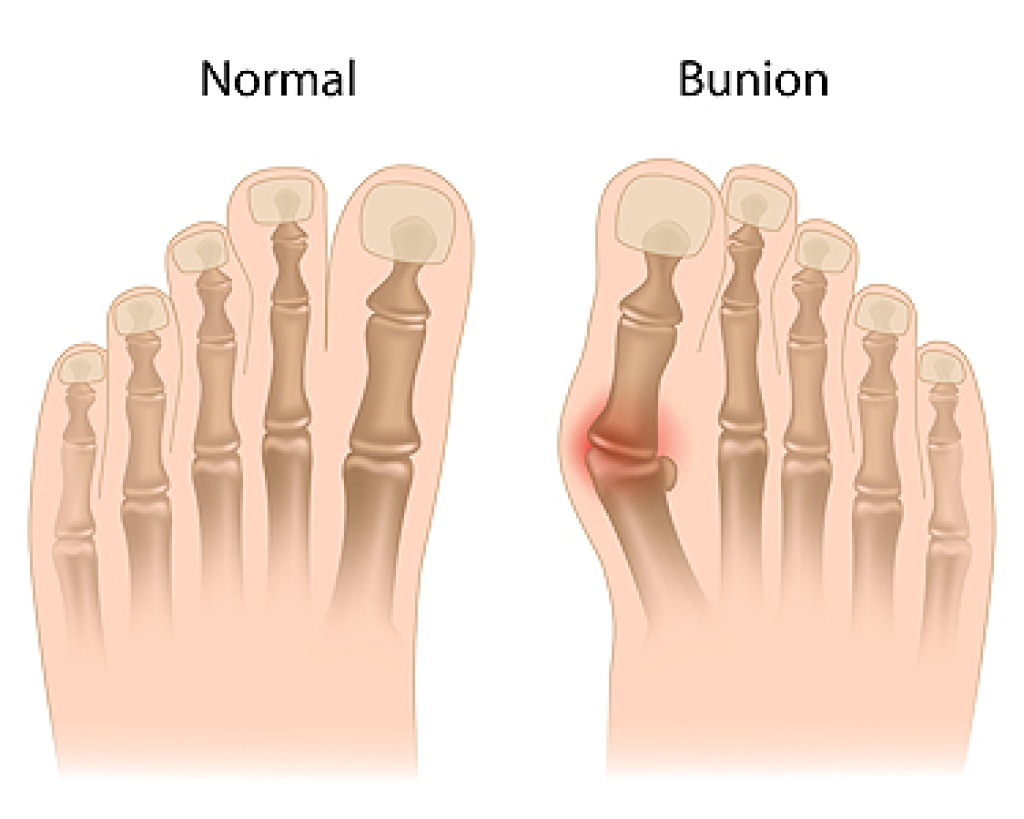
  • Bunions
  • Blisters
  • Ingrown toenails
  • Sprains
  • Fractures (broken bones)
  • Dislocations

When to See a Podiatrist

  • Severe pain
  • Persistent pain that lasts more than a week
  • Signs of infection
  • Continued swelling
  • Pain that prevents walking

Diagnosis

In many cases the cause of toe pain is obvious, but in others, a podiatrist may want to use more advanced methods to determine the problem. These can range from simple visual inspections and sensation tests to X-rays and MRI scans. Prior medical history, family medical history, and any recent physical traumatic events will all be taken into consideration for a proper diagnosis.

Treatment

Treatments for toe pain and injuries vary and may include shoe inserts, padding, taping, medicines, injections, and in some cases, surgery. If you believe that you have broken a toe, please see a podiatrist as soon as possible.

If you have any questions please contact our office located in Rogers and Berryville, AR . We offer the newest diagnostic and treatment technologies for all your foot and ankle needs.

Read more about Toe Pain

Why Live with Pain and Numbness in Your Feet?

Suffering from this type of pain? You may have the foot condition known as Morton's neuroma. Morton's neuroma may develop as a result of ill-fitting footwear and existing foot deformities. We can help.

Foot Pain and Fall Risk in Seniors

Foot pain in seniors is a common issue that can affect balance and increase the risk of falling. Recurrent pain from conditions such as arthritis, nerve damage, or poor foot alignment can make walking feel unstable and uncomfortable. This pain may appear as aching, burning, or sharp discomfort that worsens with movement and leads to cautious or uneven steps. Over time, reduced confidence in walking can further raise the chance of falls. These issues often develop gradually due to aging, decreased strength, or long-term strain on the feet. When pain is reduced, stability and movement often improve. A podiatrist can assess foot structure, identify the source of discomfort, and provide treatment to improve balance and support safe walking. If you are elderly and have consistent foot pain, it is suggested that you consult a podiatrist who can provide effective relief and additional fall prevention tips.

Preventing falls among the elderly is very important. If you are older and have fallen or fear that you are prone to falling, consult with one of our podiatrists from Family Foot Health Center. Our doctors will assess your condition and provide you with quality advice and care.

Every 11 seconds, an elderly American is being treated in an emergency room for a fall related injury. Falls are the leading cause of head and hip injuries for those 65 and older. Due to decreases in strength, balance, senses, and lack of awareness, elderly persons are very susceptible to falling. Thankfully, there are a number of things older persons can do to prevent falls.

How to Prevent Falls

Some effective methods that older persons can do to prevent falls include:

  • Enrolling in strength and balance exercise program to increase balance and strength
  • Periodically having your sight and hearing checked
  • Discuss any medications you have with a doctor to see if it increases the risk of falling
  • Clearing the house of falling hazards and installing devices like grab bars and railings
  • Utilizing a walker or cane
  • Wearing shoes that provide good support and cushioning
  • Talking to family members about falling and increasing awareness

Falling can be a traumatic and embarrassing experience for elderly persons; this can make them less willing to leave the house, and less willing to talk to someone about their fears of falling. Doing such things, however, will increase the likelihood of tripping or losing one’s balance. Knowing the causes of falling and how to prevent them is the best way to mitigate the risk of serious injury.  

If you have any questions, please feel free to contact our office located in Rogers and Berryville, AR . We offer the newest diagnostic and treatment technologies for all your foot care needs.
Read more about Falls Prevention

Understanding Gait Disorders in Children

Gait refers to the way a person walks, and in children it can sometimes develop in patterns that raise concern. Pigeon toe, also called in-toeing, is when the feet turn inward while walking. Out-toeing occurs when the feet point outward. Toe walking is when a child walks on the balls of the feet without the heels touching the ground. These patterns may be linked to muscle imbalance, bone alignment, or developmental factors. Risk factors include family history, tight muscles, or neurological conditions. A podiatrist can evaluate walking patterns, provide guidance, and recommend supportive care or treatment when needed. If you notice your child has any of these walking patterns, it is suggested that you consult a podiatrist who can guide you on improving and managing these conditions.

Making sure that your children maintain good foot health is very important as they grow. If you have any questions, contact one of our podiatrists of Family Foot Health Center. Our doctors can provide the care you need to keep you pain-free and on your feet.

Keeping Children's Feet Healthy

Having healthy feet during childhood can help prevent medical problems later in life, namely in the back and legs. As children grow, their feet require different types of care. Here are some things to consider...

Although babies do not walk yet, it is still very important to take care of their feet.

Avoid putting tight shoes or socks on his or her feet.

Allow the baby to stretch and kick his or her feet to feel comfortable.

As a toddler, kids are now on the move and begin to develop differently. At this age, toddlers are getting a feel for walking, so don’t be alarmed if your toddler is unsteady or ‘walks funny’. 

As your child gets older, it is important to teach them how to take care of their feet.

Show them proper hygiene to prevent infections such as fungus.

Be watchful for any pain or injury.

Have all injuries checked by a doctor as soon as possible.

Comfortable, protective shoes should always be worn, especially at play.

If you have any questions, please feel free to contact our office located in Rogers and Berryville, AR . We offer the newest diagnostic and treatment technologies for all your foot care needs.
Read more about How to Care for Your Child's Feet