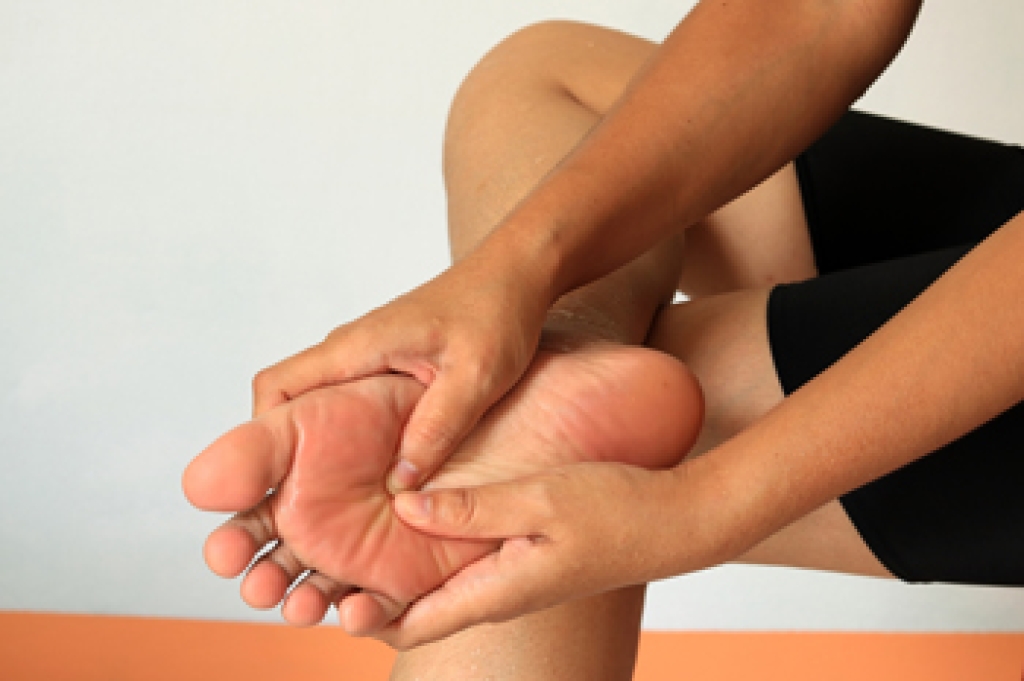
Pain in the Ball of the Foot

Understanding and addressing pain in the ball of the foot, medically termed metatarsalgia, is essential for maintaining mobility and overall foot health. Various factors, such as Freiberg disease, metatarsal stress fractures, and nerve damage like Morton neuroma, can contribute to discomfort in this area. Additionally, conditions like sesamoiditis, and age-related changes, such as thinning of the fat pad cushion, may worsen symptoms. Consulting a podiatrist for an accurate diagnosis and personalized treatment plans can help. Non-invasive measures, including footwear adjustments and custom orthotic devices, are often effective in alleviating pressure on affected areas. Additionally, injections of anesthetics or corticosteroids may provide temporary relief by reducing inflammation and muscle spasms. When conservative approaches fail to combat metatarsalgia, surgical intervention may be necessary to restore joint function and alleviate persistent pain. It is suggested that you schedule an appointment with a podiatrist if you suffer from consistent pain in the ball of the foot.

Foot Pain

Foot pain can be extremely painful and debilitating. If you have a foot pain, consult with one of our podiatrists from Family Foot Health Center. Our doctors will assess your condition and provide you with quality foot and ankle treatment.

Causes

Foot pain is a very broad condition that could be caused by one or more ailments. The most common include:

  • Bunions
  • Hammertoes
  • Plantar Fasciitis
  • Bone Spurs
  • Corns
  • Tarsal Tunnel Syndrome
  • Ingrown Toenails
  • Arthritis (such as Gout, Rheumatoid, and Osteoarthritis)
  • Flat Feet
  • Injury (from stress fractures, broken toe, foot, ankle, Achilles tendon ruptures, and sprains)
  • And more

Diagnosis

To figure out the cause of foot pain, podiatrists utilize several different methods. This can range from simple visual inspections and sensation tests to X-rays and MRI scans. Prior medical history, family medical history, and any recent physical traumatic events will all be taken into consideration for a proper diagnosis.

Treatment

Treatment depends upon the cause of the foot pain. Whether it is resting, staying off the foot, or having surgery; podiatrists have a number of treatment options available for foot pain.

If you have any questions, please feel free to contact our office located in Rogers and Berryville, AR . We offer the newest diagnostic and treatment technologies for all your foot care needs.
Read more about Foot Pain

Facts About Bunion Surgery

Bunion surgery, known as a bunionectomy, is a common procedure aimed at correcting the misalignment of the big toe joint caused by a bony bump known as a bunion. While bunion surgery can provide relief from pain and improve foot function, it is essential to understand several key facts before undergoing the procedure. Firstly, there are different types of bunion surgeries, ranging from minimally invasive techniques to more extensive procedures depending on the severity of the bunion and individual patient factors. Secondly, recovery from bunion surgery typically involves a period of immobilization followed by exercises to restore strength and flexibility to the foot. Additionally, it is important to have realistic expectations about the outcome of bunion surgery, as full recovery can take several months, and there may still be some residual stiffness or swelling afterward. If you have a bunion and are considering surgery, it is strongly suggested that you seek advice from a podiatrist who can determine if this is a right decision for you.

Foot surgery is sometimes necessary to treat a foot ailment. To learn more, contact one of our podiatrists of Family Foot Health Center. Our doctors will assist you with all of your foot and ankle needs.

When Is Surgery Necessary?

Foot and ankle surgery is generally reserved for cases in which less invasive, conservative procedures have failed to alleviate the problem. Some of the cases in which surgery may be necessary include:

  • Removing foot deformities like bunions and bone spurs
  • Severe arthritis that has caused bone issues
  • Cosmetic reconstruction

What Types of Surgery Are There?

The type of surgery you receive will depend on the nature of the problem you have. Some of the possible surgeries include:

  • Bunionectomy for painful bunions
  • Surgical fusion for realignment of bones
  • Neuropathy decompression surgery to treat nerve damage

Benefits of Surgery

Although surgery is usually a last resort, it can provide more complete pain relief compared to non-surgical methods and may allow you to finally resume full activity.

Surgical techniques have also become increasingly sophisticated. Techniques like endoscopic surgery allow for smaller incisions and faster recovery times.

If you have any questions, please feel free to contact our office located in Rogers and Berryville, AR . We offer the newest diagnostic and treatment technologies for all your foot care needs.

Read more about Foot Surgery

Treatment for Foot Corns

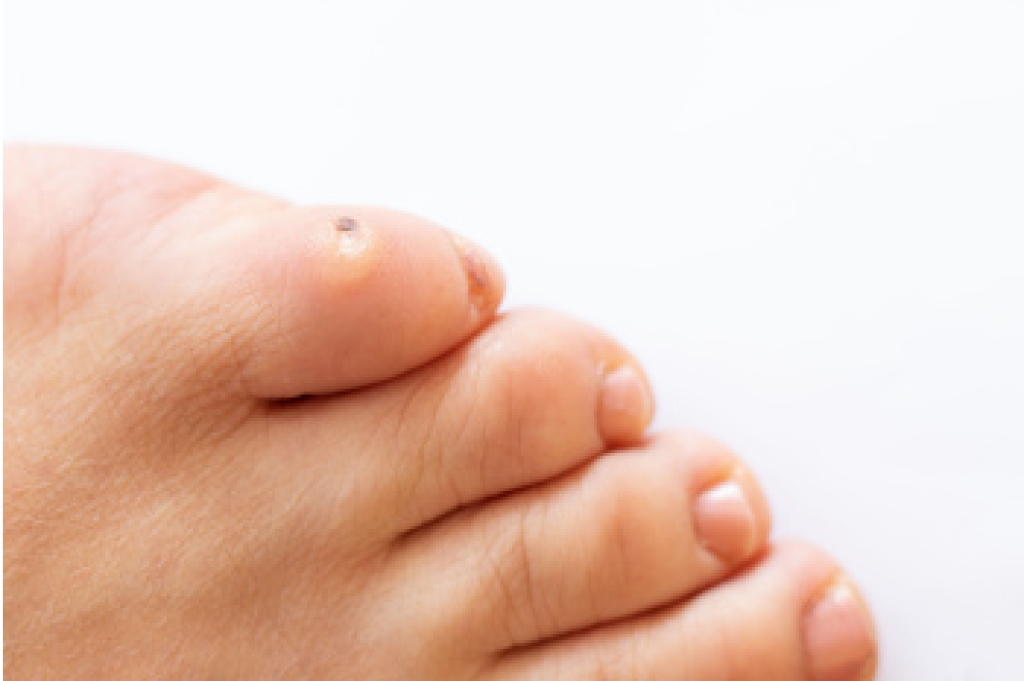
Corns are thickened skin areas that form to protect the skin against friction and pressure, and often occur on the feet. A podiatrist, or foot doctor, may recommend changing to footwear that fits better and doesn't squeeze or rub against the foot. Additionally, they might recommend padding or cushions to protect the corn and reduce pressure when walking. In more persistent cases, a podiatrist may carefully trim the thickened skin using a scalpel, a procedure that should never be attempted at home because of the risk of infection. Custom foot orthotics may also be suggested to correct any foot abnormalities that contribute to corn formation. Along with proper foot hygiene, these treatments can effectively manage and prevent the discomfort associated with corns. If you are struggling with corns on the feet, it is suggested that you consult a podiatrist for help. 

Corns can make walking very painful and should be treated immediately. If you have questions regarding your feet and ankles, contact one of our podiatrists of Family Foot Health Center. Our doctors will treat your foot and ankle needs.

Corns: What Are They? And How Do You Get Rid of Them?
Corns are thickened areas on the skin that can become painful. They are caused by excessive pressure and friction on the skin. Corns press into the deeper layers of the skin and are usually round in shape.

Ways to Prevent Corns
There are many ways to get rid of painful corns such as:

  • Wearing properly fitting shoes that have been measured by a professional
  • Wearing shoes that are not sharply pointed or have high heels
  • Wearing only shoes that offer support

Treating Corns

Although most corns slowly disappear when the friction or pressure stops, this isn’t always the case. Consult with your podiatrist to determine the best treatment option for your case of corns.

If you have any questions, please feel free to contact our office located in Rogers and Berryville, AR . We offer the newest diagnostic and treatment technologies for all your foot care needs.
Read more about Everything You Need to Know About Corns

Reminder: When Was the Last Time...?

Custom orthotics, or shoe inserts, should be periodically replaced. Orthotics must fit properly to give you the best results. Protect your feet and ankles!

In-toeing and Out-toeing in Children

In-toeing and out-toeing are gait abnormalities seen in children, where the feet point inward or outward, respectively, when walking. In-toeing, often called pigeon-toed, is usually caused by a slight rotation in the shinbone or thigh bone, or a curve in the foot. Out-toeing is less common and often occurs in older children. It can result from conditions like femoral retroversion, where the thigh bone is rotated outward, or from external tibial torsion, involving the outward rotation of the shinbone. Many cases of in-toeing and out-toeing resolve naturally as children grow and their musculoskeletal system matures. Treatment typically involves monitoring the child's growth and development rather than immediate intervention. However, in cases where the condition persists or causes significant walking difficulties, discomfort, or tripping, a podiatrist can offer treatment. It may include specific exercises, orthotics to correct foot positioning, or, in rare instances, surgical options to realign the bones. Regular podiatric check-ups ensure that the child's walking pattern is developing normally and any necessary adjustments are made to promote optimal gait mechanics. If your child is exhibiting abnormal gait patterns, it is suggested that you schedule an appointment with a podiatrist for evaluation. 

The health of a child’s feet is vital to their overall well-being. If you have any questions regarding foot health, contact one of our podiatrists of Family Foot Health Center. Our doctors can provide the care you need to keep you pain-free and on your feet.

Tips for Keeping Children's Feet Healthy

  • Make sure their shoes fit properly
  • Look for any signs of in-toeing or out-toeing
  • Check to see if they have Clubfoot (condition that affects your child’s foot and ankle, twisting the heel and toes inward) which is one of the most common nonmajor birth defects.
  • Lightly cover your baby’s feet (Tight covers may keep your baby from moving their feet freely, and could prevent normal development)
  • Allow your toddler to go shoeless (Shoes can be restricting for a young child’s foot)
  • Cut toenails straight across to avoid ingrown toenails
  • Keep your child’s foot clean and dry
  • Cover cuts and scrapes. Wash any scratches with soap and water and cover them with a bandage until they’ve healed.

If you have any questions, please feel free to contact our office located in Rogers and Berryville, AR . We offer the newest diagnostic and treatment technologies for all your foot care needs.

Read more about What to Do to Keep Your Child’s Feet Healthy