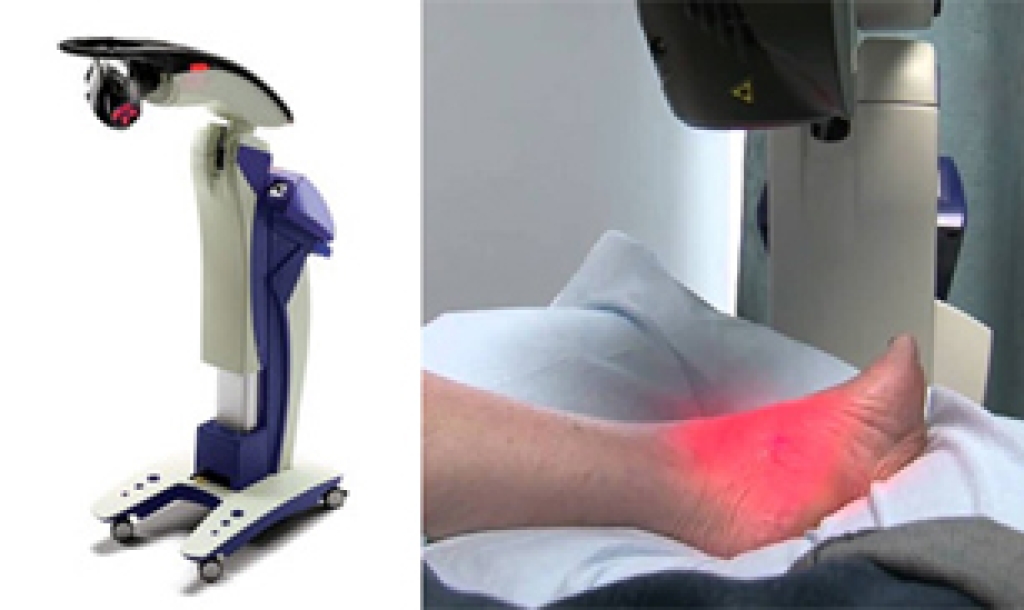
Benefits of MLS Laser Therapy

Whether you are dealing with chronic discomfort, the aftermath of an injury, or the wear and tear of daily life, Multiwave Locked System, or MLS, laser therapy may be a solution. MLS laser therapy is a non-invasive approach to foot pain. It aids in recovery from a variety of foot ailments, including sports injuries, arthritic pain, and nerve pain from diabetes, as well as heel pain from plantar fasciitis and Achilles tendon injuries. It has also been helpful in dealing with wounds that will not heal. MLS laser therapy does not involve medication, needles, or surgery and is FDA-approved for both safety and effectiveness. Furthermore, MLS laser therapy addresses the challenge of inflammation, a common hindrance to mobility and a source of discomfort in podiatric conditions. It actively reduces inflammation, decreasing pain and increasing comfort. MLS laser therapy not only accelerates the healing process but also allows for treatment plans that cater to specific foot care needs. To determine if MLS laser therapy is right for you, it is suggested that you consult a podiatrist.

MLS Laser Therapy is a successful alternative for treating any pain you may be experiencing related to certain podiatric conditions.  If you are interested in MLS Laser Therapy, consult with one of our podiatrists from Family Foot Health Center. Our doctors will assess your condition and provide you with quality foot and ankle treatment.

MLS Laser Therapy

Multiwave Locked System (MLS) Laser Therapy is a patented, FDA-cleared technology that helps relieve pain and inflammation from a number of podiatric conditions, including:

  • Heel Pain
  • Plantar Fasciitis
  • Sports Injuries
  • Wounds
  • Achilles Tendonitis
  • Arthritis
  • Neuropathy
  • Neuromas

MLS Laser Therapy is an ideal alternative to surgery and prescription medication, as it has no negative side effects and encourages accelerated healing. Among its many clinical benefits, MLS Laser Therapy also:

  • Reduces swelling due to bruising or inflammation
  • Blocks pain
  • Reduces formation of scar tissue
  • Improves nerve function

If you have any questions, please feel free to contact our office located in Rogers and Berryville, AR . We offer the newest diagnostic and treatment technologies for all your foot care needs.

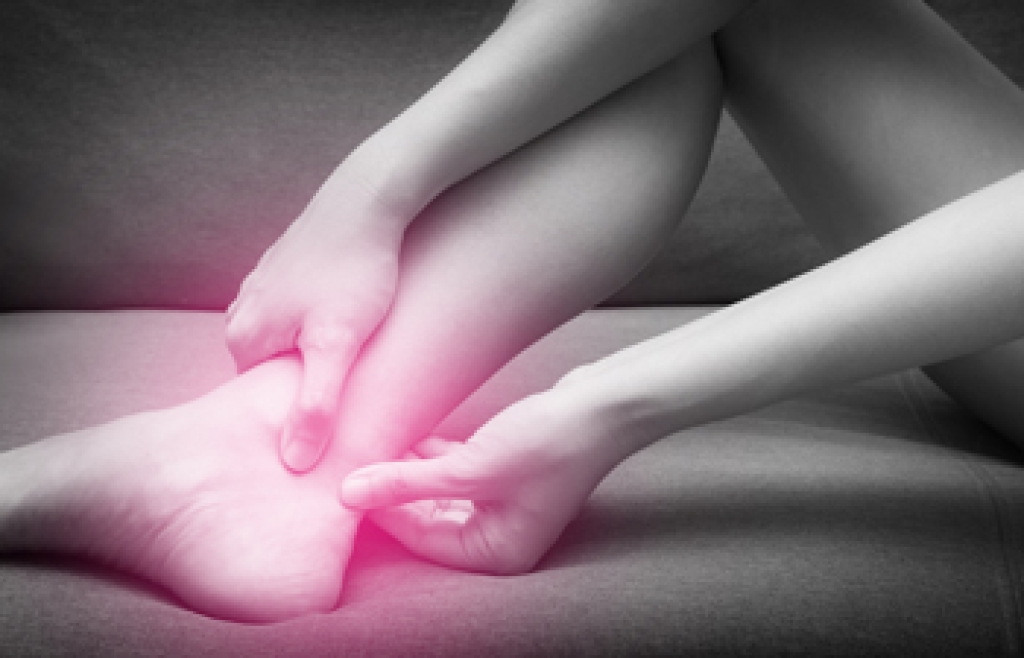
Read more about MLS Laser Therapy

Are You Suffering From Nerve Damage?

Neuropathy is a condition that can lead to numbness or loss of sensation in the feet, but it can also cause pain. This condition is more likely to develop for those who are diabetic, obese, or with high blood pressure.

Symptoms and Diagnosis of Achilles Tendonitis

Achilles tendonitis is an overuse injury that begins as a mild ache in the back of the leg or above the heel after running or other sporting activity. A key symptom of Achilles tendonitis is the sensation of pain, primarily felt in the calf muscles and extending down to the ankle. Stiffness in the calf muscles from this condition can limit the flexibility of the foot and make simple movements challenging. In some cases, bumps or nodules may form around the tendon, which can also be tender to the touch. In addition, the ankle joint may begin to swell. A podiatrist may use several diagnostic techniques to confirm the presence of the Achilles tendonitis. X-rays are typically the initial step to rule out other potential causes, but they cannot provide a direct view of the tendon. Ultrasound imaging is extremely beneficial, as it offers clear, real-time visuals of the tendon's internal structure. In severe cases, or when surgical intervention is under consideration, an MRI test is conducted to produce detailed images of the tendon's condition. Projection radiography is sometimes used to identify calcification deposits within the tendon, which can be responsible for up to 60 percent of Achilles tendonitis cases. If you suspect you may be suffering from Achilles tendonitis, it is suggested that you make an appointment with a podiatrist for an exam and suggestions on effective treatment methods.

Achilles tendon injuries need immediate attention to avoid future complications. If you have any concerns, contact one of our podiatrists of Family Foot Health Center. Our doctors can provide the care you need to keep you pain-free and on your feet.

What Is the Achilles Tendon?

The Achilles tendon is a tendon that connects the lower leg muscles and calf to the heel of the foot. It is the strongest tendon in the human body and is essential for making movement possible. Because this tendon is such an integral part of the body, any injuries to it can create immense difficulties and should immediately be presented to a doctor.

What Are the Symptoms of an Achilles Tendon Injury?

There are various types of injuries that can affect the Achilles tendon. The two most common injuries are Achilles tendinitis and ruptures of the tendon.

Achilles Tendinitis Symptoms

  • Inflammation
  • Dull to severe pain
  • Increased blood flow to the tendon
  • Thickening of the tendon

Rupture Symptoms

  • Extreme pain and swelling in the foot
  • Total immobility

Treatment and Prevention

Achilles tendon injuries are diagnosed by a thorough physical evaluation, which can include an MRI. Treatment involves rest, physical therapy, and in some cases, surgery. However, various preventative measures can be taken to avoid these injuries, such as:

  • Thorough stretching of the tendon before and after exercise
  • Strengthening exercises like calf raises, squats, leg curls, leg extensions, leg raises, lunges, and leg presses

If you have any questions please feel free to contact our office located in Rogers and Berryville, AR . We offer the newest diagnostic tools and technology to treat your foot and ankle needs.

Read more about Achilles Tendon Injuries

Preventing Plantar Fasciitis

Heel pain, often due to plantar fasciitis, results from chronic overuse of the plantar fascia, a thick tissue on the foot's sole that connects the heel bone to the toes and forms the arch. The most common symptom is heel pain which is typically at its worst with the first few steps after awakening. Causes encompass overuse, biomechanical abnormalities, tight or weak calf muscles, and big toe issues. Diagnosis involves a physical exam and may require imaging. This can be quite painful and interfere with comfortable functioning. It is better to try and prevent this condition than to experience it and have it treated. Preventative measures include calf stretching, plantar fascia stretches, weight management, supportive footwear, and possibly using custom-made orthotics. If you have heel pain or would like to know more about preventing it, it is suggested that you make an appointment with a podiatrist who can provide treatment and any information that can help you take the best care of your feet.

Plantar fasciitis can be very painful and inconvenient. If you are experiencing heel pain or symptoms of plantar fasciitis, contact one of our podiatrists  from Family Foot Health Center. Our doctors can provide the care you need to keep you pain-free and on your feet.

What Is Plantar Fasciitis?

Plantar fasciitis is the inflammation of the thick band of tissue that runs along the bottom of your foot, known as the plantar fascia, and causes mild to severe heel pain.

What Causes Plantar Fasciitis?

  • Excessive running
  • Non-supportive shoes
  • Overpronation
  • Repeated stretching and tearing of the plantar fascia

How Can It Be Treated?

  • Conservative measures – anti-inflammatories, ice packs, stretching exercises, physical therapy, orthotic devices
  • Shockwave therapy – sound waves are sent to the affected area to facilitate healing and are usually used for chronic cases of plantar fasciitis
  • Surgery – usually only used as a last resort when all else fails. The plantar fascia can be surgically detached from the heel

While very treatable, plantar fasciitis is definitely not something that should be ignored. Especially in severe cases, speaking to your doctor right away is highly recommended to avoid complications and severe heel pain. Your podiatrist can work with you to provide the appropriate treatment options tailored to your condition.

If you have any questions, please feel free to contact our office located in Rogers and Berryville, AR . We offer the newest diagnostic and treatment technologies for all your foot care needs.

Read more about Plantar Fasciitis

Complications From Untreated Corns on the Feet

If left untreated, corns on the feet can lead to various complications. Corns are thickened areas of skin caused by friction and pressure, which can become painful and result in infections. This can happen when bacteria enter through cracks in the skin or if the corn is cut or punctured. Infections can lead to more serious problems, including septic arthritis or infection of nearby bone tissue. Corns left untreated can also trigger severe pain, causing individuals to alter their posture. This can affect how pressure is distributed while walking. Individuals with diabetes may have reduced sensation in their feet due to nerve damage. This means they might not notice small cuts or corns. If corns are left untreated in people with diabetes, it can lead to complications like those previously mentioned, in addition to tissue death known as gangrene. To prevent these complications, it is suggested that you make an appointment with a podiatrist to seek treatment if corns become painful. This foot expert can provide proper care to help avoid serious complications from corns.

If you have any concerns regarding your feet and ankles, contact one of our podiatrists of Family Foot Health Center. Our doctors will treat your foot and ankle needs.

Corns: What Are They? and How Do You Get Rid of Them?
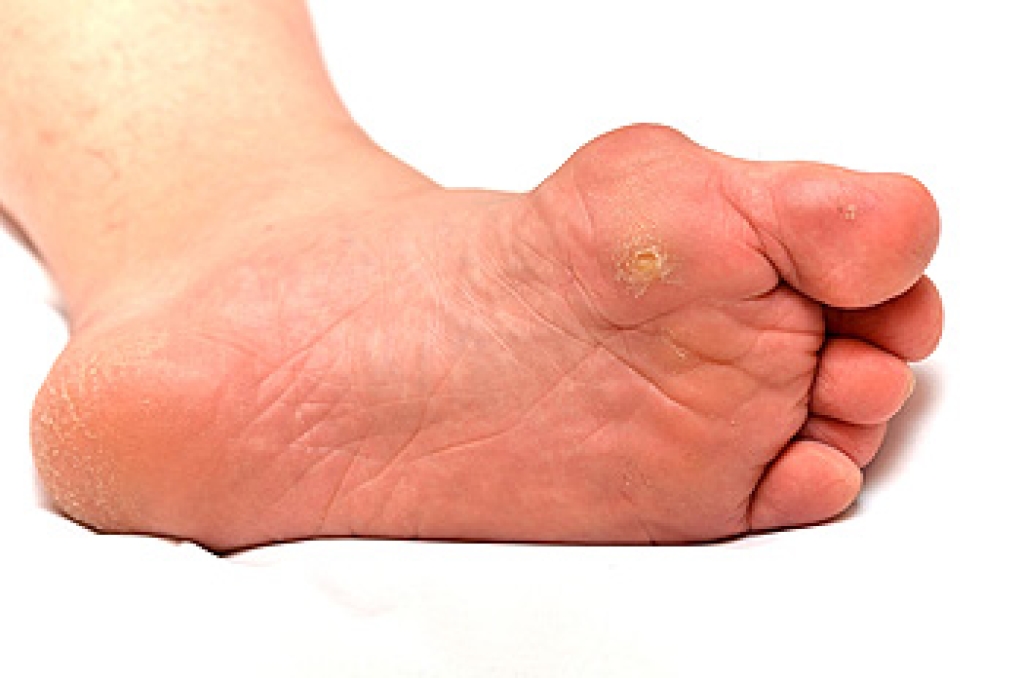
Corns can be described as areas of the skin that have thickened to the point of becoming painful or irritating. They are often layers and layers of the skin that have become dry and rough, and are normally smaller than calluses.

Ways to Prevent Corns
There are many ways to get rid of painful corns such as wearing:

  • Well-fitting socks
  • Comfortable shoes that are not tight around your foot
  • Shoes that offer support

Treating Corns
Treatment of corns involves removing the dead skin that has built up in the specific area of the foot. Consult with Our doctors to determine the best treatment option for your case of corns.

If you have any questions, please feel free to contact our office located in Rogers and Berryville, AR . We offer the newest diagnostic and treatment technologies for all your foot care needs.
Read more about Corns: What Are They, and How Do You Get Rid of Them