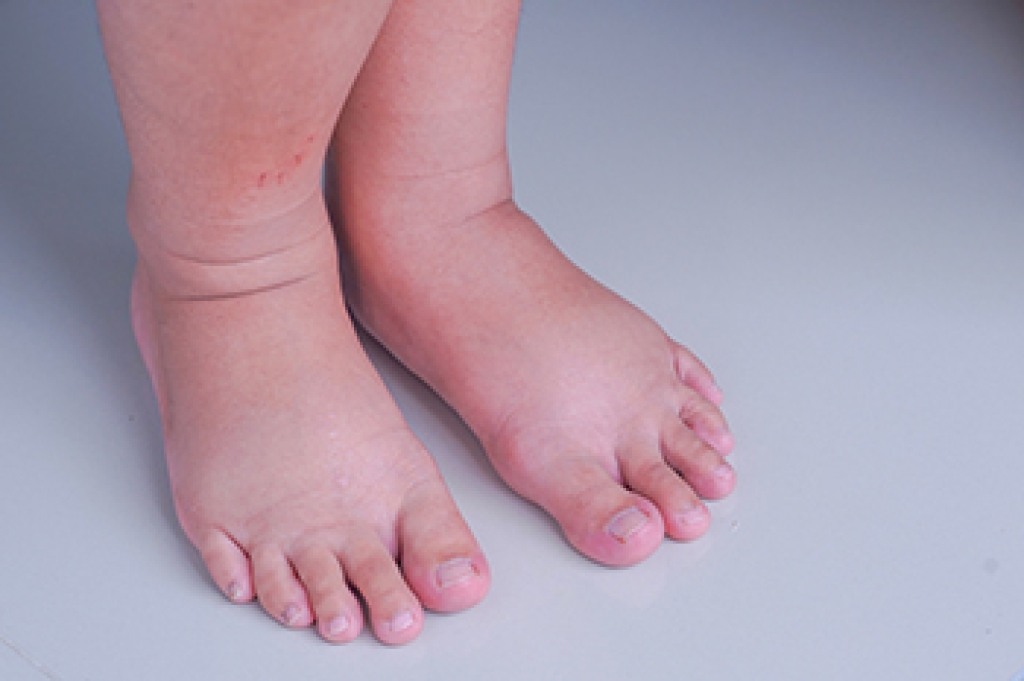
Swollen Feet and Ankles During Pregnancy

The journey of pregnancy, though miraculous, often brings with it the discomfort of swollen feet and ankles. This common ailment, known as edema, results from increased pressure on blood vessels and the growing uterus, leading to fluid retention. To mitigate this discomfort, expectant mothers can embrace simple yet effective strategies. Elevating the legs when possible aids in fluid circulation, reducing the severity of swelling. Wearing comfortable, supportive shoes and avoiding prolonged periods of standing or sitting can also contribute to relief. Staying well-hydrated supports the body in maintaining a healthy fluid balance. Incorporating gentle exercises, such as walking or prenatal yoga, promotes circulation and minimizes swelling. Additionally, mindful salt intake can prevent excessive fluid retention. By incorporating these nurturing practices into their daily routines, pregnant women can enhance their well-being and navigate the pregnancy with greater comfort and ease. If you suffer from swollen feet and ankles during your pregnancy or have foot pain for any reason, it is suggested that you speak with a podiatrist who can guide you toward additional relief strategies.

Pregnant women with swollen feet can be treated with a variety of different methods that are readily available. For more information about other cures for swollen feet during pregnancy, consult with one of our podiatrists from Family Foot Health Center. Our doctors will attend to all of your foot and ankle needs.

What Foot Problems Can Arise During Pregnancy?

One problem that can occur is overpronation, which occurs when the arch of the foot flattens and tends to roll inward.  This can cause pain and discomfort in your heels while you’re walking or even just standing up, trying to support your baby.  

Another problem is edema, or swelling in the extremities. This often affects the feet during pregnancy but tends to occur in the later stages. 

How Can I Keep My Feet Healthy During Pregnancy?

  • Wearing orthotics can provide extra support for the feet and help distribute weight evenly
  • Minimize the amount of time spent walking barefoot
  • Wear shoes with good arch support
  • Wear shoes that allow for good circulation to the feet
  • Elevate feet if you experience swelling
  • Massage your feet
  • Get regular, light exercise, such as walking, to promote blood circulation to the feet

If you have any questions, please feel free to contact our office located in Rogers and Berryville, AR . We offer the newest diagnostic and treatment technologies for all your foot care needs.

Read more about Foot Care for Pregnant Women

Pediatric Podiatry

Podiatrists are healthcare specialists trained to care for foot and lower leg issues. They assist in easing foot pain, enhancing mobility, and offering care before and after foot surgery. They are also skilled in handling foot-related sports injuries and wounds affecting adults as well as children. They work in various healthcare environments, including private practice, clinics, and hospitals. Podiatrists are important to visit for children who are experiencing foot pain from conditions such as Sever’s disease, arthritis, and sports injuries. Additionally, skin issues including warts, calluses, and ingrown toenails can warrant a visit to the podiatrist. This type of doctor can also help with balance and walking issues, such as frequent tripping or unusual gait, in addition to advising on suitable footwear. If your child is experiencing foot issues, it is suggested that you make an appointment with a podiatrist who will collaborate with you and your child, devise a plan to address the problems, and help your child remain active and healthy.

If you are experiencing pain in the feet or ankles, don’t join the stubborn majority refusing treatment. Feel free to contact one of our podiatrists from Family Foot Health Center. Our doctors can provide the care you need to keep you pain-free and on your feet.

What Is a Podiatrist?

Someone would seek the care of a podiatrist if they have suffered a foot injury or have common foot ailments such as heal spurs, bunions, arch problems, deformities, ingrown toenails, corns, foot and ankle problems, etc.

Podiatric Treatment

A podiatrist will treat the problematic areas of the feet, ankle or lower leg by prescribing the following:

  • Physical therapy
  • Drugs
  • Orthotic inserts or soles
  • Surgery on lower extremity fractures

A common podiatric procedure a podiatrist will use is a scanner or force plate which will allow the podiatrist to know the designs of orthotics. Patients are then told to follow a series of tasks to complete the treatment. The computer will scan the foot a see which areas show weight distribution and pressure points. The podiatrist will read the analysis and then determine which treatment plans are available.

If you have any questions, please feel free to contact our office located in Rogers and Berryville, AR . We offer the newest diagnostic and treatment technologies for all your foot care needs.

Read more about What is a Podiatrist?

Benefits of MLS Laser Therapy

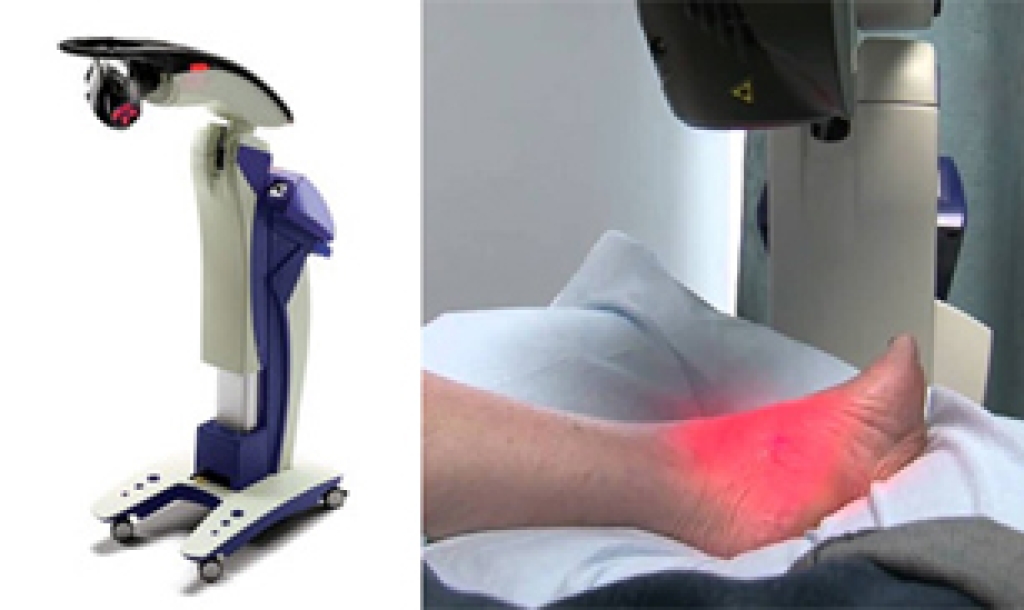
Whether you are dealing with chronic discomfort, the aftermath of an injury, or the wear and tear of daily life, Multiwave Locked System, or MLS, laser therapy may be a solution. MLS laser therapy is a non-invasive approach to foot pain. It aids in recovery from a variety of foot ailments, including sports injuries, arthritic pain, and nerve pain from diabetes, as well as heel pain from plantar fasciitis and Achilles tendon injuries. It has also been helpful in dealing with wounds that will not heal. MLS laser therapy does not involve medication, needles, or surgery and is FDA-approved for both safety and effectiveness. Furthermore, MLS laser therapy addresses the challenge of inflammation, a common hindrance to mobility and a source of discomfort in podiatric conditions. It actively reduces inflammation, decreasing pain and increasing comfort. MLS laser therapy not only accelerates the healing process but also allows for treatment plans that cater to specific foot care needs. To determine if MLS laser therapy is right for you, it is suggested that you consult a podiatrist.

MLS Laser Therapy is a successful alternative for treating any pain you may be experiencing related to certain podiatric conditions.  If you are interested in MLS Laser Therapy, consult with one of our podiatrists from Family Foot Health Center. Our doctors will assess your condition and provide you with quality foot and ankle treatment.

MLS Laser Therapy

Multiwave Locked System (MLS) Laser Therapy is a patented, FDA-cleared technology that helps relieve pain and inflammation from a number of podiatric conditions, including:

  • Heel Pain
  • Plantar Fasciitis
  • Sports Injuries
  • Wounds
  • Achilles Tendonitis
  • Arthritis
  • Neuropathy
  • Neuromas

MLS Laser Therapy is an ideal alternative to surgery and prescription medication, as it has no negative side effects and encourages accelerated healing. Among its many clinical benefits, MLS Laser Therapy also:

  • Reduces swelling due to bruising or inflammation
  • Blocks pain
  • Reduces formation of scar tissue
  • Improves nerve function

If you have any questions, please feel free to contact our office located in Rogers and Berryville, AR . We offer the newest diagnostic and treatment technologies for all your foot care needs.

Read more about MLS Laser Therapy

Are You Suffering From Nerve Damage?

Neuropathy is a condition that can lead to numbness or loss of sensation in the feet, but it can also cause pain. This condition is more likely to develop for those who are diabetic, obese, or with high blood pressure.

Symptoms and Diagnosis of Achilles Tendonitis

Achilles tendonitis is an overuse injury that begins as a mild ache in the back of the leg or above the heel after running or other sporting activity. A key symptom of Achilles tendonitis is the sensation of pain, primarily felt in the calf muscles and extending down to the ankle. Stiffness in the calf muscles from this condition can limit the flexibility of the foot and make simple movements challenging. In some cases, bumps or nodules may form around the tendon, which can also be tender to the touch. In addition, the ankle joint may begin to swell. A podiatrist may use several diagnostic techniques to confirm the presence of the Achilles tendonitis. X-rays are typically the initial step to rule out other potential causes, but they cannot provide a direct view of the tendon. Ultrasound imaging is extremely beneficial, as it offers clear, real-time visuals of the tendon's internal structure. In severe cases, or when surgical intervention is under consideration, an MRI test is conducted to produce detailed images of the tendon's condition. Projection radiography is sometimes used to identify calcification deposits within the tendon, which can be responsible for up to 60 percent of Achilles tendonitis cases. If you suspect you may be suffering from Achilles tendonitis, it is suggested that you make an appointment with a podiatrist for an exam and suggestions on effective treatment methods.

Achilles tendon injuries need immediate attention to avoid future complications. If you have any concerns, contact one of our podiatrists of Family Foot Health Center. Our doctors can provide the care you need to keep you pain-free and on your feet.

What Is the Achilles Tendon?

The Achilles tendon is a tendon that connects the lower leg muscles and calf to the heel of the foot. It is the strongest tendon in the human body and is essential for making movement possible. Because this tendon is such an integral part of the body, any injuries to it can create immense difficulties and should immediately be presented to a doctor.

What Are the Symptoms of an Achilles Tendon Injury?

There are various types of injuries that can affect the Achilles tendon. The two most common injuries are Achilles tendinitis and ruptures of the tendon.

Achilles Tendinitis Symptoms

  • Inflammation
  • Dull to severe pain
  • Increased blood flow to the tendon
  • Thickening of the tendon

Rupture Symptoms

  • Extreme pain and swelling in the foot
  • Total immobility

Treatment and Prevention

Achilles tendon injuries are diagnosed by a thorough physical evaluation, which can include an MRI. Treatment involves rest, physical therapy, and in some cases, surgery. However, various preventative measures can be taken to avoid these injuries, such as:

  • Thorough stretching of the tendon before and after exercise
  • Strengthening exercises like calf raises, squats, leg curls, leg extensions, leg raises, lunges, and leg presses

If you have any questions please feel free to contact our office located in Rogers and Berryville, AR . We offer the newest diagnostic tools and technology to treat your foot and ankle needs.

Read more about Achilles Tendon Injuries