Optimal Footwear for Warehouse Work

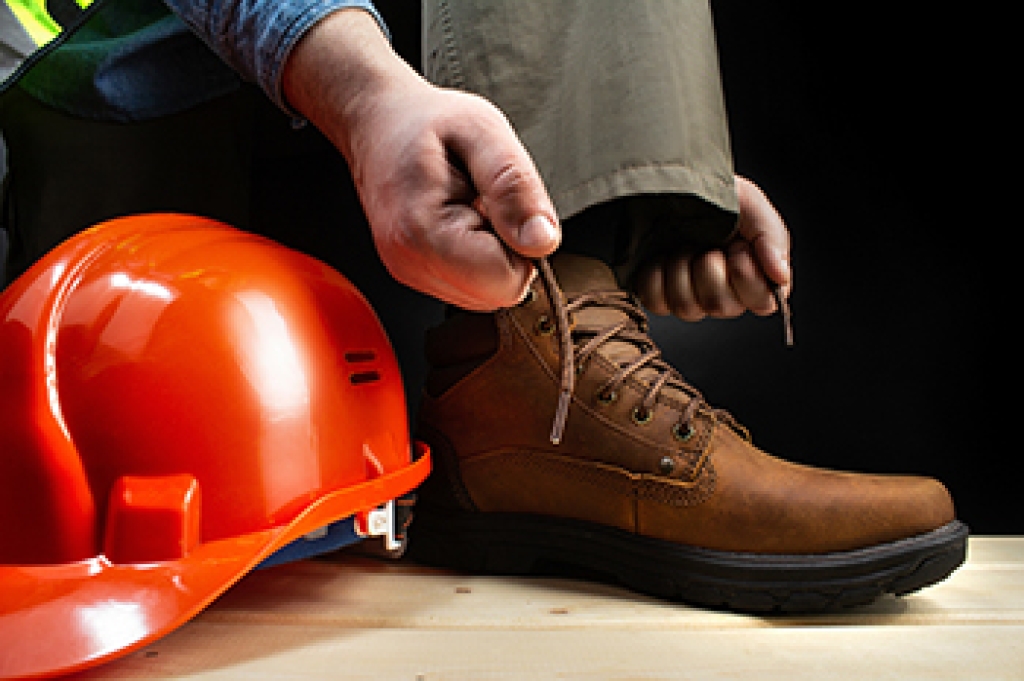
Selecting the right shoes for warehouse work is vital for ensuring both comfort and safety during long hours on your feet. Prioritize sturdy, closed-toe shoes with ample support to guard against potential hazards such as falling objects or heavy equipment. Look for designs with slip-resistant soles to navigate varied surfaces and spills commonly found in warehouse environments. A proper fit is essential, and it is helpful to choose shoes that allow for natural movement while securing the foot to prevent discomfort and potential injuries. Consider the climate of the warehouse, opting for breathable materials in warmer settings and insulated options for cooler conditions. Additionally, if the job involves lifting or carrying heavy loads, shoes with adequate ankle support can help prevent strains. Investing in high-quality, durable footwear designed for the specific demands of warehouse work is a proactive step toward promoting both occupational well-being and overall job performance. If you would like more information about what type of shoes to buy for warehouse work, it is suggested that you confer with a podiatrist.

While working on the feet, it is important to take the proper care of them. For more information about working on your feet, contact one of our podiatrists from Family Foot Health Center. Our doctors will treat your foot and ankle needs.

Working on Your Feet

Standing on your feet for long periods of time can cause stress and pain in your feet. Your whole body may experience change in terms of posture, back pain, bunions, callouses and or plantar warts. There are ways to avoid these conditions with proper foot care, smart choices and correct posture.

Positive Changes

Negative heeled shoe – Choosing this shoe type places the heel slightly lower than the ball of the foot. These are great for overall foot health. Find shoes that fit you correctly.

Go barefoot – Our feet were not designed to be enclosed for all hours of the day. Try to periodically expose your feet to air.

Eliminate Pain

Foot Exercises – Performing simple exercises, incorporating yoga and doing stretches are beneficial. This will allow increased blood flow to the area and muscles of the foot.

Achilles tendon – Stretching the foot out flat on the floor will relax the calf muscles and tendon. These exercises can be performed almost anywhere. Make sure you add these exercises to your daily regimen. 

With a little bit of this information and knowing more about foot health, you will notice changes. Foot stretches and proper footwear will help with pain and prevent further issues.

If you have any questions please contact our office located in Rogers and Berryville, AR . We offer the newest diagnostic and treatment technologies for all your foot and ankle needs.
Read more about How to Handle a Long Work Day on Your Feet

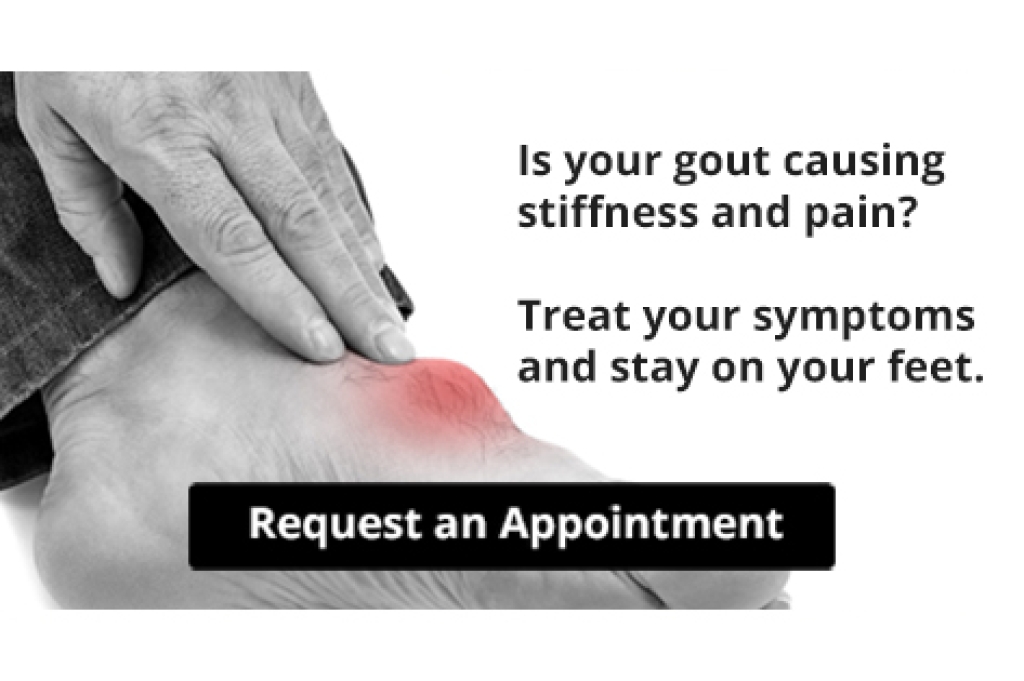
Gout Pain Can Be Managed

Gout is a painful, inflammatory form of arthritis. Those affected will typically feel an intense stiffness in the joints of their feet, particularly in the big toe. Schedule a visit to learn about how gout can be managed and treated.

How Bones and Muscles in the Feet Work Together

The human foot is a marvel of intricate design. A symphony of bones, joints, muscles, and ligaments work in harmony to facilitate movement and provide essential support. Comprising 26 bones, the foot's structural integrity is maintained by an elaborate network of joints that allow for flexibility and articulation. Muscles, spanning from the calf to the toes, create the dynamic movements needed for activities like walking, running, and jumping. Ligaments, sturdy bands of connective tissue, secure bones together, forming stable joints while allowing controlled movement. From the heel to the toes, each component plays a critical role in weight distribution, balance, and shock absorption. The arches, formed by the alignment of bones, contribute to the foot's natural shock-absorbing properties. Understanding this intricate interplay of bones, joints, muscles, and ligaments is essential for appreciating the resilience and versatility of our feet, which serve as the foundation of our daily mobility and physical well-being. If you are having problems with any part of your feet and ankles, it is suggested that you visit a podiatrist who can offer treatment solutions.

If you have any concerns about your feet, contact one of our podiatrists from Family Foot Health Center. Our doctors can provide the care you need to keep you pain-free and on your feet.

Biomechanics in Podiatry

Podiatric biomechanics is a particular sector of specialty podiatry with licensed practitioners who are trained to diagnose and treat conditions affecting the foot, ankle and lower leg. Biomechanics deals with the forces that act against the body, causing an interference with the biological structures. It focuses on the movement of the ankle, the foot and the forces that interact with them.

A History of Biomechanics

  • Biomechanics dates back to the BC era in Egypt where evidence of professional foot care has been recorded.
  • In 1974, biomechanics gained a higher profile from the studies of Merton Root, who claimed that by changing or controlling the forces between the ankle and the foot, corrections or conditions could be implemented to gain strength and coordination in the area.

Modern technological improvements are based on past theories and therapeutic processes that provide a better understanding of podiatric concepts for biomechanics. Computers can provide accurate information about the forces and patterns of the feet and lower legs.

Understanding biomechanics of the feet can help improve and eliminate pain, stopping further stress to the foot.

If you have any questions please feel free to contact our office located in Rogers and Berryville, AR . We offer the newest diagnostic and treatment technologies for all your foot and ankle needs.
Read more about Biomechanics in Podiatry

Definition and Types of Achilles Tendon Injuries

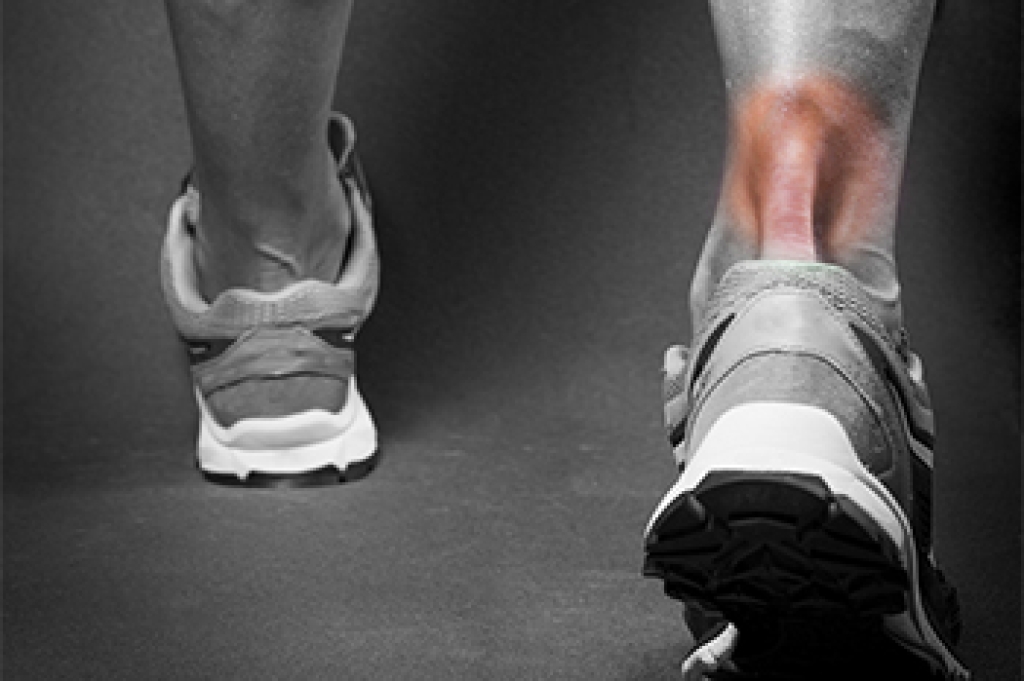
The Achilles tendon, a strong band of tissue connecting the calf muscles to the heel bone, is instrumental in facilitating movement, making any injury to this vital structure a significant concern. Achilles tendon injuries encompass a spectrum of conditions, each demanding unique considerations. Tendonitis, an inflammatory response, results from overuse or strain on the tendon, leading to pain and swelling. Tendinosis, a chronic degeneration of the tendon, may occur without apparent inflammation, often presenting as long-term pain. Achilles tendon ruptures, though less common, involve a partial or complete tear, typically characterized by a sudden, severe pain. Understanding these types of Achilles tendon injuries is vital for an accurate diagnosis and tailored treatment plans. An Achilles tendon injury is treated by a podiatrist. If you have injured this part of your foot, it is suggested that you contact a podiatrist who can effectively treat this condition.

Achilles tendon injuries need immediate attention to avoid future complications. If you have any concerns, contact one of our podiatrists of Family Foot Health Center. Our doctors can provide the care you need to keep you pain-free and on your feet.

What Is the Achilles Tendon?

The Achilles tendon is a tendon that connects the lower leg muscles and calf to the heel of the foot. It is the strongest tendon in the human body and is essential for making movement possible. Because this tendon is such an integral part of the body, any injuries to it can create immense difficulties and should immediately be presented to a doctor.

What Are the Symptoms of an Achilles Tendon Injury?

There are various types of injuries that can affect the Achilles tendon. The two most common injuries are Achilles tendinitis and ruptures of the tendon.

Achilles Tendinitis Symptoms

  • Inflammation
  • Dull to severe pain
  • Increased blood flow to the tendon
  • Thickening of the tendon

Rupture Symptoms

  • Extreme pain and swelling in the foot
  • Total immobility

Treatment and Prevention

Achilles tendon injuries are diagnosed by a thorough physical evaluation, which can include an MRI. Treatment involves rest, physical therapy, and in some cases, surgery. However, various preventative measures can be taken to avoid these injuries, such as:

  • Thorough stretching of the tendon before and after exercise
  • Strengthening exercises like calf raises, squats, leg curls, leg extensions, leg raises, lunges, and leg presses

If you have any questions please feel free to contact our office located in Rogers and Berryville, AR . We offer the newest diagnostic tools and technology to treat your foot and ankle needs.

Read more about The Causes, Types, and Treatments of Achilles Tendon Injuries

Peripheral Artery Disease and Foot Care

Peripheral artery disease, or PAD, is a vascular condition characterized by the narrowing or blockage of arteries, predominantly in the legs, resulting in reduced blood flow to the feet. This condition, often associated with hardening of the arteries, can significantly impact foot health and lead to various symptoms. Symptoms of peripheral artery disease may include leg pain, cramping, numbness, and skin discoloration. Generally, these symptoms develop when approximately 70 percent of the artery is blocked. Aging, smoking, diabetes, high blood pressure, abnormal cholesterol levels, obesity, physical inactivity, and family history are contributing factors. Men are generally more susceptible to PAD than women. Peripheral artery disease also can result from fibromuscular dysplasia, inflammation, or external pressure from nearby masses. The severity and nature of symptoms depend on the affected artery, degree of blockage, and whether it is a gradual narrowing or sudden blockage. Someone with peripheral artery disease may experience coldness in the lower leg or foot, numbness or weakness, absent or a weak pulse in the legs or feet, and shiny skin on the legs. One of the main dangers is in the formation of sores on the toes, feet, or legs that will not heal. These may develop into ulcers, which can engender severe foot or toe problems. If you have peripheral artery disease symptoms that are affecting your lower limbs and feet, it is suggested that you include a podiatrist as a member of your medical team. 

Peripheral artery disease can pose a serious risk to your health. It can increase the risk of stroke and heart attack. If you have symptoms of peripheral artery disease, consult with one of our podiatrists from Family Foot Health Center. Our doctors will assess your condition and provide you with quality foot and ankle treatment.

Peripheral artery disease (PAD) is when arteries are constricted due to plaque (fatty deposits) build-up. This results in less blood flow to the legs and other extremities. The main cause of PAD is atherosclerosis, in which plaque builds up in the arteries.

Symptoms

Symptoms of PAD include:

  • Claudication (leg pain from walking)
  • Numbness in legs
  • Decrease in growth of leg hair and toenails
  • Paleness of the skin
  • Erectile dysfunction
  • Sores and wounds on legs and feet that won’t heal
  • Coldness in one leg

It is important to note that a majority of individuals never show any symptoms of PAD.

Diagnosis

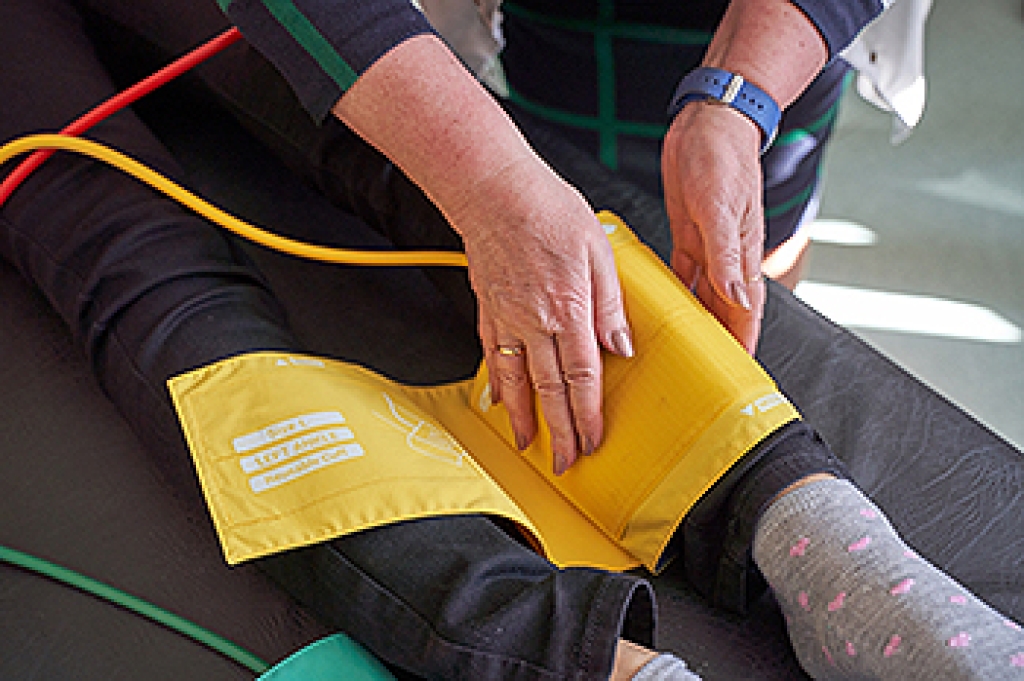
While PAD occurs in the legs and arteries, Podiatrists can diagnose PAD. Podiatrists utilize a test called an ankle-brachial index (ABI). An ABI test compares blood pressure in your arm to you ankle to see if any abnormality occurs. Ultrasound and imaging devices may also be used.

Treatment

Fortunately, lifestyle changes such as maintaining a healthy diet, exercising, managing cholesterol and blood sugar levels, and quitting smoking, can all treat PAD. Medications that prevent clots from occurring can be prescribed. Finally, in some cases, surgery may be recommended.

If you have any questions, please feel free to contact our office located in Rogers and Berryville, AR . We offer the newest diagnostic and treatment technologies for all your foot care needs.

Read more about Peripheral Artery Disease