
Do you suffer from heel pain when you get up in the morning? If so, you should seek professional help and have a proper diagnosis performed. Heel pain can be caused by several different foot-related conditions.
Do you suffer from heel pain when you get up in the morning? If so, you should seek professional help and have a proper diagnosis performed. Heel pain can be caused by several different foot-related conditions.
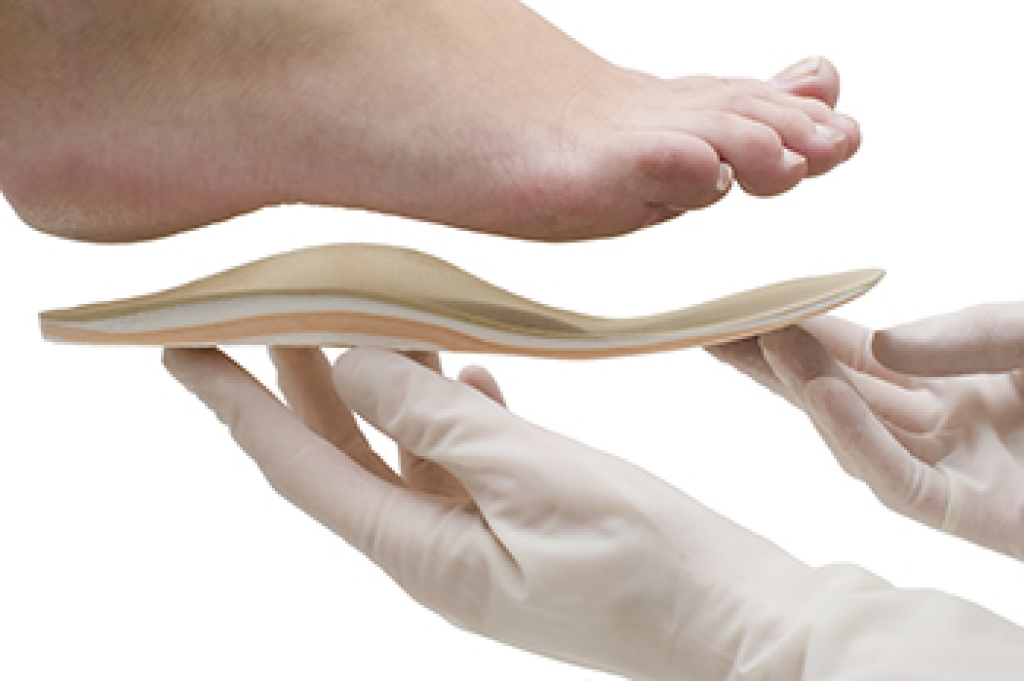 Orthotics are available in various types, each designed to address specific foot issues and provide optimal support. The five most common types of orthotics are functional or rigid, soft or accommodative, orthotics for fragile feet, orthotics for sensitive feet, and sports-specific orthotics. Functional or rigid orthotics are made from firm materials like plastic or carbon fiber, and they correct abnormal foot motion, providing stability and relieving pain in the legs, thighs, and lower back. Soft or accommodative orthotics are crafted from cushioned materials to absorb shock and alleviate pressure, making them ideal for individuals with diabetes or arthritis. Orthotics for fragile feet are designed for those with weakened or compromised foot structures, offering gentle support and protection. Sensitive orthotics cater to those with hypersensitive feet, providing comfort without irritation. Additionally, sports-specific orthotics are tailored for athletes, enhancing performance by improving alignment and reducing the risk of injury. Custom-made orthotics are the best option, as they fit an individual's unique foot structure and needs. Schedule an appointment with a podiatrist for an assessment of your condition and a recommendation for a suitable orthotic type for you.
If you are having discomfort in your feet and would like to try orthotics, contact one of our podiatrists from Family Foot Health Center. Our doctors can provide the care you need to keep you pain-free and on your feet.
What Are Orthotics?
Orthotics are inserts you can place into your shoes to help with a variety of foot problems such as flat feet or foot pain. Orthotics provide relief and comfort for minor foot and heel pain but can’t correct serious biomechanical problems in your feet.
Over-the-Counter Inserts
Orthotics come in a wide variety of over-the-counter inserts that are used to treat foot pain, heel pain, and minor problems. For example, arch supports can be inserted into your shoes to help correct overarched or flat feet, while gel insoles are often used because they provide comfort and relief from foot and heel pain by alleviating pressure.
Prescription Orthotics
If over-the-counter inserts don’t work for you or if you have a more severe foot concern, it is possible to have your podiatrist prescribe custom orthotics. These high-quality inserts are designed to treat problems such as abnormal motion, plantar fasciitis, and severe forms of heel pain. They can even be used to help patients suffering from diabetes by treating foot ulcers and painful calluses and are usually molded to your feet individually, which allows them to provide full support and comfort.
If you are experiencing minor to severe foot or heel pain, it’s recommended to speak with your podiatrist about the possibilities of using orthotics. A podiatrist can determine which type of orthotic is right for you and allow you to take the first steps towards being pain-free.
If you have any questions, please feel free to contact our office located in Rogers and Berryville, AR . We offer the newest diagnostic and treatment technologies for all your foot care needs.

Maintaining the strength and flexibility of your feet, toes, and ankles can help with overall mobility and comfort, especially if you are experiencing pain or dealing with conditions like arthritis. Start with simple exercises for the feet to help alleviate discomfort and improve function. For example, the Achilles tendon and plantar fascia stretch involves looping a towel around the ball of your foot, pulling your toes toward your body, and holding for 30 seconds. This should be repeated three times on each foot. Rolling your foot over a round object, like a can or ball, and performing seated stretches can also provide relief. Wall pushes, ankle rotations, and ankle range of motion exercises enhance flexibility. Toe spreads, towel pickups, and standing heel raises can build strength. Balancing exercises, such as standing on one leg while lightly touching a wall, can further improve stability. Begin these exercises gradually, and increasing intensity as you build strength and confidence. Always ensure you have sufficient space to exercise safely and it is important to stay hydrated. If you have any concerns or need personalized advice about foot, toe, or ankle pain, it is suggested that you schedule an appointment with a podiatrist before it gets worse.
Exercising your feet regularly with the proper foot wear is a great way to prevent injuries and build strength. If you have any concerns about your feet, contact one of our podiatrists from Family Foot Health Center. Our doctors can provide the care you need to keep you pain-free and on your feet.
Exercise for Your Feet
Exercise for your feet can help you gain strength, mobility and flexibility in your feet. They say that strengthening your feet can be just as rewarding as strengthening another part of the body. Your feet are very important, and we often forget about them in our daily tasks. But it is because of our feet that are we able to get going and do what we need to. For those of us fortunate enough to not have any foot problems, it is an important gesture to take care of them to ensure good health in the long run.
Some foot health exercises can include ankle pumps, tip-toeing, toe rises, lifting off the floor doing reps and sets, and flexing the toes. It is best to speak with Our doctors to determine an appropriate regimen for your needs. Everyone’s needs and bodies are different, and the activities required to maintain strength in the feet vary from individual to individual.
Once you get into a routine of doing regular exercise, you may notice a difference in your feet and how strong they may become.
If you have any questions, please feel free to contact our office located in Rogers and Berryville, AR . We offer the newest diagnostic and treatment technologies for all your foot care needs.
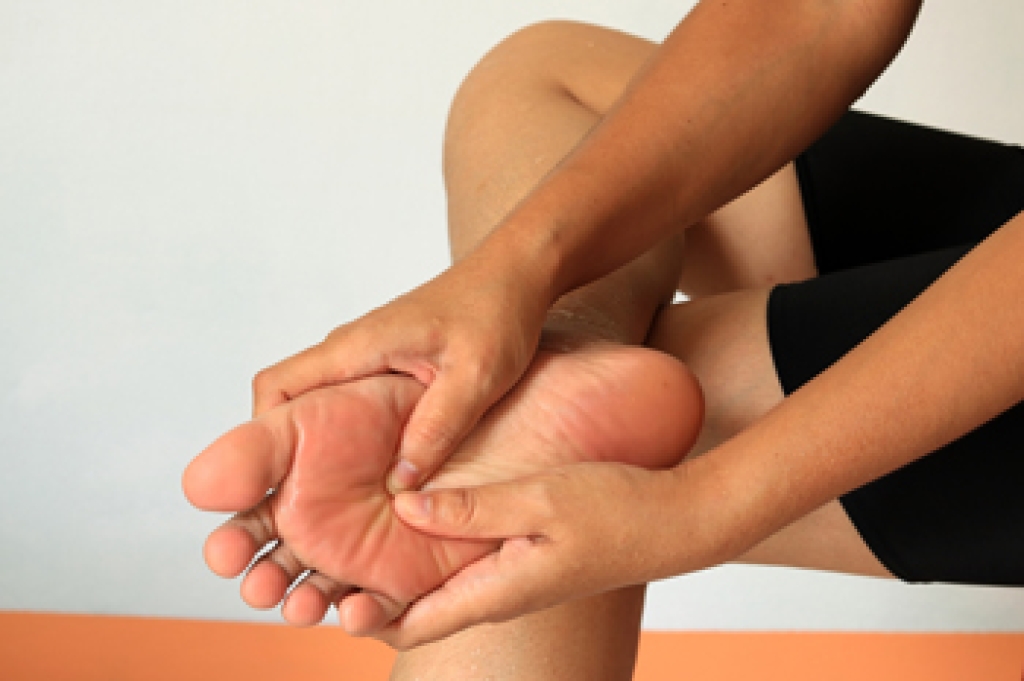
Understanding and addressing pain in the ball of the foot, medically termed metatarsalgia, is essential for maintaining mobility and overall foot health. Various factors, such as Freiberg disease, metatarsal stress fractures, and nerve damage like Morton neuroma, can contribute to discomfort in this area. Additionally, conditions like sesamoiditis, and age-related changes, such as thinning of the fat pad cushion, may worsen symptoms. Consulting a podiatrist for an accurate diagnosis and personalized treatment plans can help. Non-invasive measures, including footwear adjustments and custom orthotic devices, are often effective in alleviating pressure on affected areas. Additionally, injections of anesthetics or corticosteroids may provide temporary relief by reducing inflammation and muscle spasms. When conservative approaches fail to combat metatarsalgia, surgical intervention may be necessary to restore joint function and alleviate persistent pain. It is suggested that you schedule an appointment with a podiatrist if you suffer from consistent pain in the ball of the foot.
Foot Pain
Foot pain can be extremely painful and debilitating. If you have a foot pain, consult with one of our podiatrists from Family Foot Health Center. Our doctors will assess your condition and provide you with quality foot and ankle treatment.
Causes
Foot pain is a very broad condition that could be caused by one or more ailments. The most common include:
Diagnosis
To figure out the cause of foot pain, podiatrists utilize several different methods. This can range from simple visual inspections and sensation tests to X-rays and MRI scans. Prior medical history, family medical history, and any recent physical traumatic events will all be taken into consideration for a proper diagnosis.
Treatment
Treatment depends upon the cause of the foot pain. Whether it is resting, staying off the foot, or having surgery; podiatrists have a number of treatment options available for foot pain.
If you have any questions, please feel free to contact our office located in Rogers and Berryville, AR . We offer the newest diagnostic and treatment technologies for all your foot care needs.
Bunion surgery, known as a bunionectomy, is a common procedure aimed at correcting the misalignment of the big toe joint caused by a bony bump known as a bunion. While bunion surgery can provide relief from pain and improve foot function, it is essential to understand several key facts before undergoing the procedure. Firstly, there are different types of bunion surgeries, ranging from minimally invasive techniques to more extensive procedures depending on the severity of the bunion and individual patient factors. Secondly, recovery from bunion surgery typically involves a period of immobilization followed by exercises to restore strength and flexibility to the foot. Additionally, it is important to have realistic expectations about the outcome of bunion surgery, as full recovery can take several months, and there may still be some residual stiffness or swelling afterward. If you have a bunion and are considering surgery, it is strongly suggested that you seek advice from a podiatrist who can determine if this is a right decision for you.
Foot surgery is sometimes necessary to treat a foot ailment. To learn more, contact one of our podiatrists of Family Foot Health Center. Our doctors will assist you with all of your foot and ankle needs.
When Is Surgery Necessary?
Foot and ankle surgery is generally reserved for cases in which less invasive, conservative procedures have failed to alleviate the problem. Some of the cases in which surgery may be necessary include:
What Types of Surgery Are There?
The type of surgery you receive will depend on the nature of the problem you have. Some of the possible surgeries include:
Benefits of Surgery
Although surgery is usually a last resort, it can provide more complete pain relief compared to non-surgical methods and may allow you to finally resume full activity.
Surgical techniques have also become increasingly sophisticated. Techniques like endoscopic surgery allow for smaller incisions and faster recovery times.
If you have any questions, please feel free to contact our office located in Rogers and Berryville, AR . We offer the newest diagnostic and treatment technologies for all your foot care needs.
