Stress Fracture Risk Factors

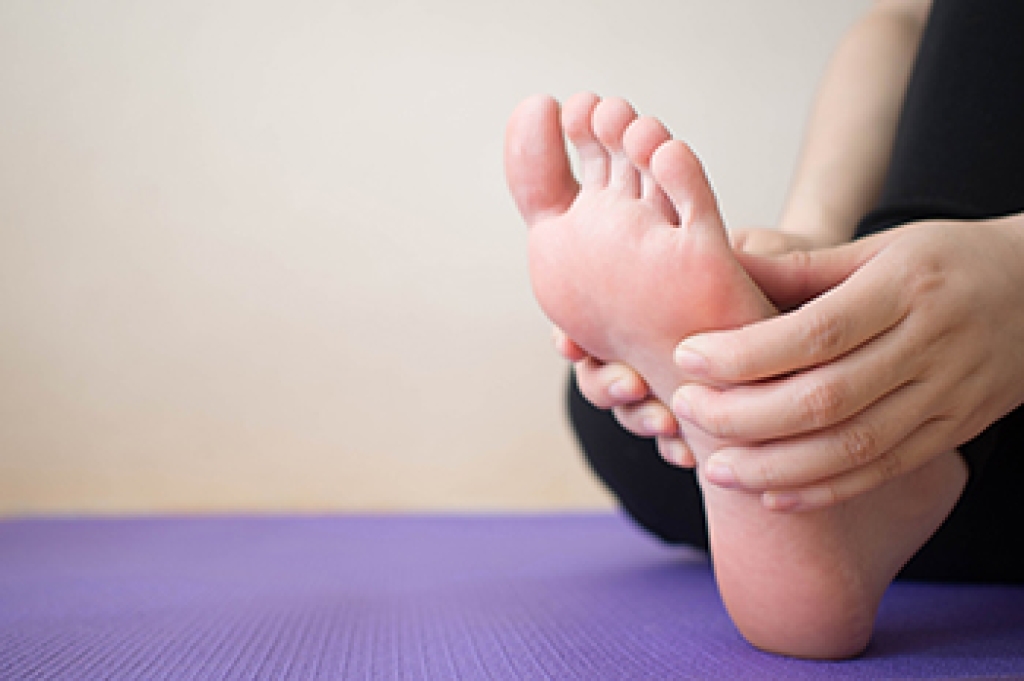
A stress fracture in the foot essentially occurs when microdamage accumulates and the bones develop small breaks. If you are an athlete or a runner, then you might be particularly interested in preventing the onset of a stress fracture in the foot. There are certain factors that might put athletes at an increased risk of developing stress fractures of some kind. For example, if an athlete has a particularly high running mileage or especially if they are wearing inappropriate footwear, then a stress fracture might be more likely.  Also, other risk factors for runners and athletes include training errors and leg length discrepancies. If you are someone that runs frequently and are concerned about developing a stress fracture, it is suggested that you contact a podiatrist. 

Activities where too much pressure is put on the feet can cause stress fractures. To learn more, contact one of our podiatrists from Family Foot Health Center. Our doctors can provide the care you need to keep your pain free and on your feet.

Dealing with Stress Fractures of the Foot and Ankle

Stress fractures occur in the foot and ankle when muscles in these areas weaken from too much or too little use.  The feet and ankles then lose support when walking or running from the impact of the ground. Since there is no protection, the bones receive the full impact of each step. Stress on the feet can cause cracks to form in the bones, thus creating stress fractures.

What Are Stress Fractures?

Stress fractures occur frequently in individuals whose daily activities cause great impact on the feet and ankles. Stress factors are most common among:

  • Runners                                
  • People affected with Osteoporosis
  • Tennis or basketball players
  • Gymnasts
  • High impact workouts

Symptoms

Pain from the fractures occur in the area of the fractures and can be constant or intermittent. It will often cause sharp or dull pain with swelling and tenderness. Engaging in any kind of activity which involves high impact will aggravate pain.

If you have any questions please contact our office located in Rogers and Berryville, AR . We offer the newest diagnostic and treatment technologies for all your foot and ankle needs.
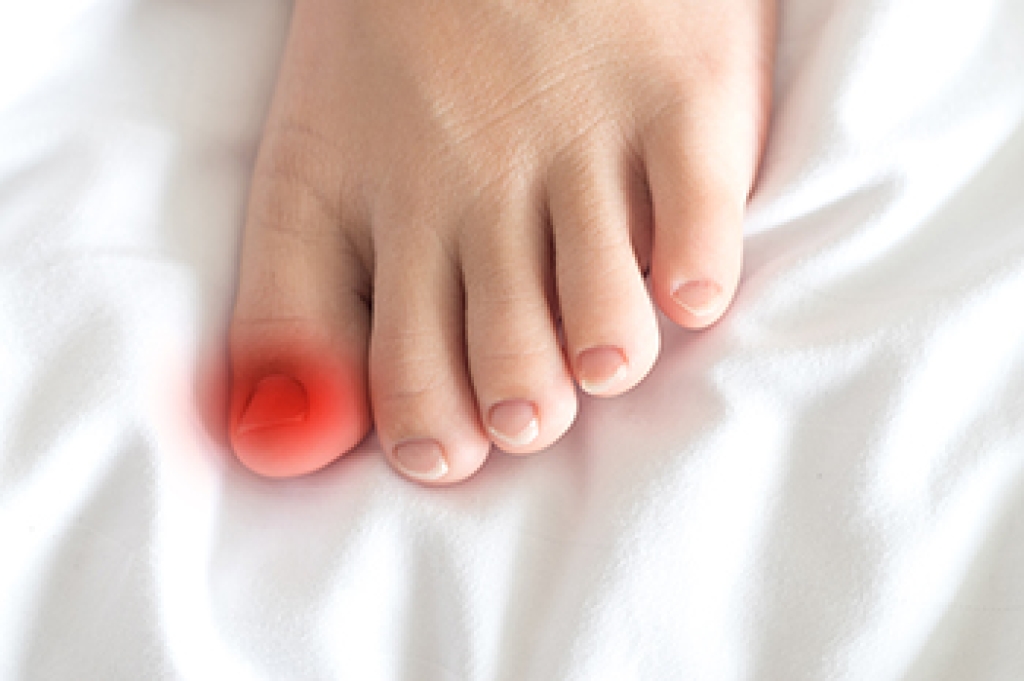
Read more about Stress Fractures of the Foot and Ankle

Ankle Fracture? Don’t Wait for Treatment

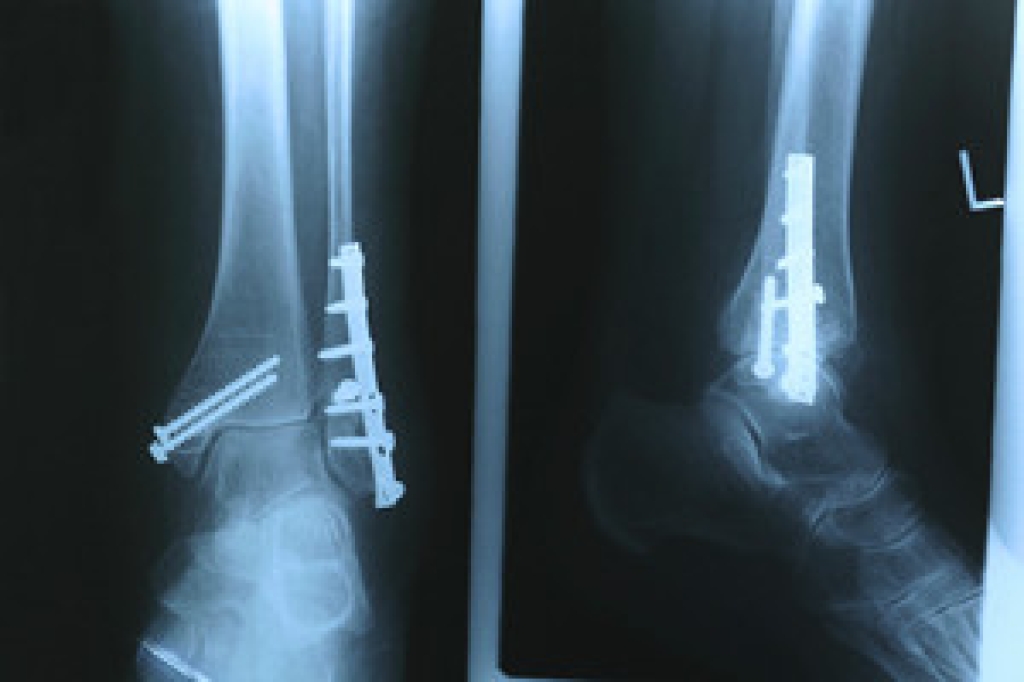
If you're suffering from an ankle fracture, professional attention shouldn't wait. Fractures may worsen over time and can make completing everyday activities incredibly difficult. See your specialist for treatment and guidance through the healing process. 

Should I Cut an Ingrown Toenail?

Even if you do not know all that much about the field of podiatry, there is a chance that you might already be familiar with what an ingrown toenail is. This condition is essentially characterized by the growth of the side of the toenail into the skin, such that inflammation and redness occurs. Many individuals living with an ingrown toenail often like to ask whether or not they can cut their ingrown toenails by themselves. The answer is that if a toenail is already ingrown, it is best not to attempt to cut it by yourself. Trying to do this by oneself can essentially increase the risk of possible infection. It might also make the ingrown toenail worse. Rather, an individual should seek out the guidance of a medical professional such as a podiatrist. If you are someone who is currently living with an ingrown toenail, it is suggested that you contact a podiatrist today.

Ingrown toenails can become painful if they are not treated properly. For more information about ingrown toenails, contact one of our podiatrists of Family Foot Health Center. Our doctors can provide the care you need to keep you pain-free and on your feet.

Ingrown Toenails

Ingrown toenails occur when a toenail grows sideways into the bed of the nail, causing pain, swelling, and possibly infection.

Causes

  • Bacterial infections
  • Improper nail cutting such as cutting it too short or not straight across
  • Trauma to the toe, such as stubbing, which causes the nail to grow back irregularly
  • Ill-fitting shoes that bunch the toes too close together
  • Genetic predisposition

Prevention

Because ingrown toenails are not something found outside of shoe-wearing cultures, going barefoot as often as possible will decrease the likeliness of developing ingrown toenails. Wearing proper fitting shoes and using proper cutting techniques will also help decrease your risk of developing ingrown toenails.

Treatment

Ingrown toenails are a very treatable foot condition. In minor cases, soaking the affected area in salt or antibacterial soaps will not only help with the ingrown nail itself, but also help prevent any infections from occurring. In more severe cases, surgery is an option. In either case, speaking to your podiatrist about this condition will help you get a better understanding of specific treatment options that are right for you.

If you have any questions, please feel free to contact our office located in Rogers and Berryville, AR . We offer the newest diagnostic and treatment technologies for all your foot care needs.

Read more about Ingrown Toenails

What Is Ledderhose Disease?

Hard lumps that form on the soles of the feet may be indicative of Ledderhose disease. Ledderhose disease is considered to be a rare foot condition that affects the plantar fascia. The plantar fascia is the band of tissue connecting the heels to the toes and may cause pain while walking. The lumps that form are generally benign and typically affect people middle-aged and older. The ankle joints may be uncomfortable, and a tingling sensation may be felt. The exact reason this foot condition develops is unknown, however, people with certain medical ailments may be prone to Ledderhose disease. These can include diabetic patients, people who consume excess alcohol, and those who take specific medications. Wearing custom-made orthotics may help to relieve pressure on the bottom of the feet. If you have pain in the sole of your foot, it is suggested that you consult with a podiatrist who can diagnose Ledderhose disease and offer the correct treatment options.

Some foot conditions may require additional professional care. If you have any concerns, contact one of our podiatrists of Family Foot Health Center. Our doctors can provide the care you need to keep you pain-free and on your feet.

Rare Foot Conditions

The majority of foot conditions are common and can be treated by a podiatrist.  Standard diagnostic procedures are generally used to identify specific conditions and treatment can be rendered. A podiatrist also treats rare foot conditions which can be difficult to diagnose and may need extra attention and care. 

There are many rare foot conditions that can affect children. Some of these can include:

  • Freiberg’s disease
  • Kohler’s disease
  • Maffucci syndrome

Freiberg’s disease - This can be seen as a deterioration and flattening of a metatarsal bone that exists in the ball of the foot. It typically affects pre-teen and teenage girls, but can affect anyone at any age. Symptoms that can accompany this can be swelling, stiffness, and the patient may limp. 

Kohler’s disease - This often targets the bone in the arch of the foot and affects younger boys. It can lead to an interruption of the blood supply which ultimately can lead to bone deterioration. The patient may limp or experience tenderness, swelling, and redness.

Maffucci syndrome - This affects the long bones in a child’s foot leading to the development of abnormal bone lesions. They are benign growths and typically develop in early childhood and the bones may be susceptible to breaking. 

A podiatrist can properly diagnose and treat all types of rare foot conditions. If your child is affected by any of these symptoms or conditions, please don’t hesitate to call our office so the correct treatment method can begin.

If you have any questions, please feel free to contact our office located in Rogers and Berryville, AR . We offer the newest diagnostic and treatment technologies for all your foot care needs.

Read more about Rare Foot Conditions

Orthotics May Help Specific Foot Conditions

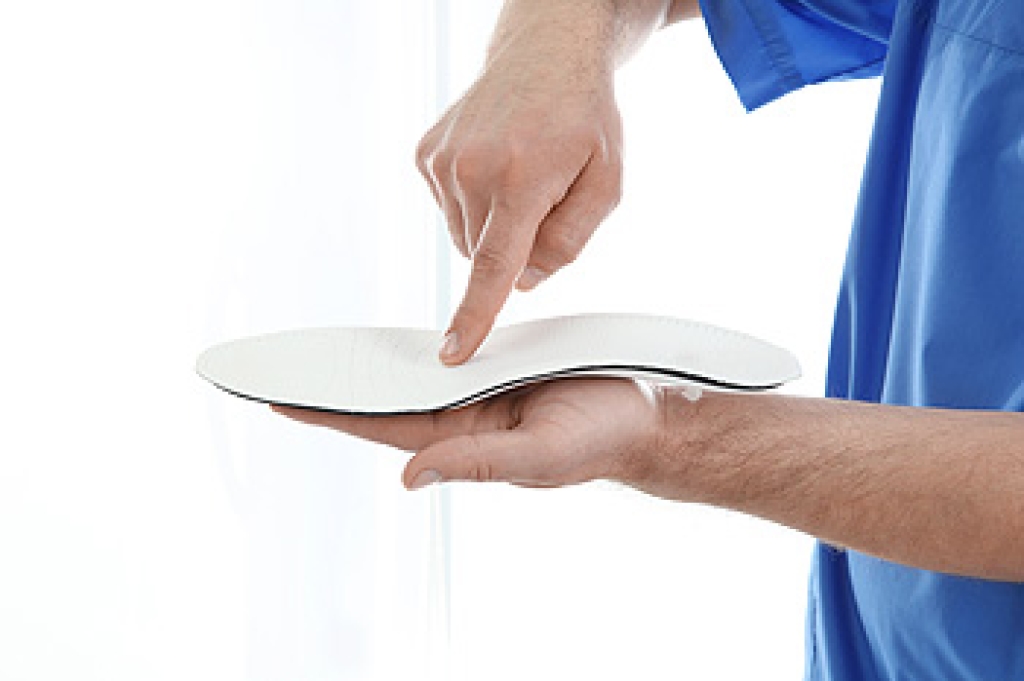
Another name for orthotics is insoles. The difference between the two can be that orthotics can be custom-made to fit an individual's foot, which can help to normalize abnormal foot structure. Patients who have flat feet may benefit from wearing orthotics which may help to reduce existing pain. They can gradually realign the foot and improve overall foot mechanics. The type of orthotics that are suggested often depends on the reason they are needed, which may come from having endured an injury or from an ongoing foot condition. The orthotics are sized by taking an impression of the foot, which is commonly done by having a plastic mold developed or by having a 3-D laser scan performed. Some of the foot conditions that can possibly be improved by wearing orthotics include bunions, flat feet, high arches, or rheumatoid arthritis. If you have foot pain, it is suggested that you consult with a podiatrist who can create custom orthotics if this is the correct choice for you.

If you are having discomfort in your feet and would like to try orthotics, contact one of our podiatrists from Family Foot Health Center. Our doctors can provide the care you need to keep you pain-free and on your feet.

What Are Orthotics?

Orthotics are inserts you can place into your shoes to help with a variety of foot problems such as flat feet or foot pain. Orthotics provide relief and comfort for minor foot and heel pain but can’t correct serious biomechanical problems in your feet.

Over-the-Counter Inserts

Orthotics come in a wide variety of over-the-counter inserts that are used to treat foot pain, heel pain, and minor problems. For example, arch supports can be inserted into your shoes to help correct overarched or flat feet, while gel insoles are often used because they provide comfort and relief from foot and heel pain by alleviating pressure.

Prescription Orthotics

If over-the-counter inserts don’t work for you or if you have a more severe foot concern, it is possible to have your podiatrist prescribe custom orthotics. These high-quality inserts are designed to treat problems such as abnormal motion, plantar fasciitis, and severe forms of heel pain. They can even be used to help patients suffering from diabetes by treating foot ulcers and painful calluses and are usually molded to your feet individually, which allows them to provide full support and comfort.

If you are experiencing minor to severe foot or heel pain, it’s recommended to speak with your podiatrist about the possibilities of using orthotics. A podiatrist can determine which type of orthotic is right for you and allow you to take the first steps towards being pain-free.

If you have any questions, please feel free to contact our office located in Rogers and Berryville, AR . We offer the newest diagnostic and treatment technologies for all your foot care needs.

Read more about Foot Orthotics