Peripheral Artery Disease and Foot Care

Peripheral artery disease, or PAD, is a vascular condition characterized by the narrowing or blockage of arteries, predominantly in the legs, resulting in reduced blood flow to the feet. This condition, often associated with hardening of the arteries, can significantly impact foot health and lead to various symptoms. Symptoms of peripheral artery disease may include leg pain, cramping, numbness, and skin discoloration. Generally, these symptoms develop when approximately 70 percent of the artery is blocked. Aging, smoking, diabetes, high blood pressure, abnormal cholesterol levels, obesity, physical inactivity, and family history are contributing factors. Men are generally more susceptible to PAD than women. Peripheral artery disease also can result from fibromuscular dysplasia, inflammation, or external pressure from nearby masses. The severity and nature of symptoms depend on the affected artery, degree of blockage, and whether it is a gradual narrowing or sudden blockage. Someone with peripheral artery disease may experience coldness in the lower leg or foot, numbness or weakness, absent or a weak pulse in the legs or feet, and shiny skin on the legs. One of the main dangers is in the formation of sores on the toes, feet, or legs that will not heal. These may develop into ulcers, which can engender severe foot or toe problems. If you have peripheral artery disease symptoms that are affecting your lower limbs and feet, it is suggested that you include a podiatrist as a member of your medical team. 

Peripheral artery disease can pose a serious risk to your health. It can increase the risk of stroke and heart attack. If you have symptoms of peripheral artery disease, consult with one of our podiatrists from Family Foot Health Center. Our doctors will assess your condition and provide you with quality foot and ankle treatment.

Peripheral artery disease (PAD) is when arteries are constricted due to plaque (fatty deposits) build-up. This results in less blood flow to the legs and other extremities. The main cause of PAD is atherosclerosis, in which plaque builds up in the arteries.

Symptoms

Symptoms of PAD include:

  • Claudication (leg pain from walking)
  • Numbness in legs
  • Decrease in growth of leg hair and toenails
  • Paleness of the skin
  • Erectile dysfunction
  • Sores and wounds on legs and feet that won’t heal
  • Coldness in one leg

It is important to note that a majority of individuals never show any symptoms of PAD.

Diagnosis

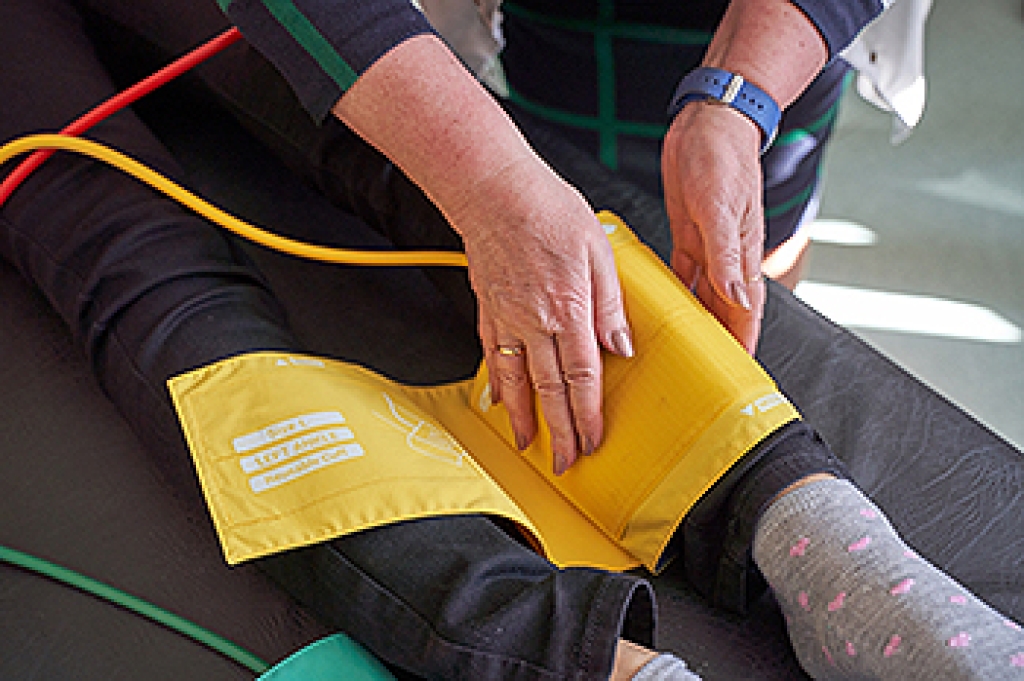
While PAD occurs in the legs and arteries, Podiatrists can diagnose PAD. Podiatrists utilize a test called an ankle-brachial index (ABI). An ABI test compares blood pressure in your arm to you ankle to see if any abnormality occurs. Ultrasound and imaging devices may also be used.

Treatment

Fortunately, lifestyle changes such as maintaining a healthy diet, exercising, managing cholesterol and blood sugar levels, and quitting smoking, can all treat PAD. Medications that prevent clots from occurring can be prescribed. Finally, in some cases, surgery may be recommended.

If you have any questions, please feel free to contact our office located in Rogers and Berryville, AR . We offer the newest diagnostic and treatment technologies for all your foot care needs.
Read more about Peripheral Artery Disease

Kidney Disease and Foot Ulcers

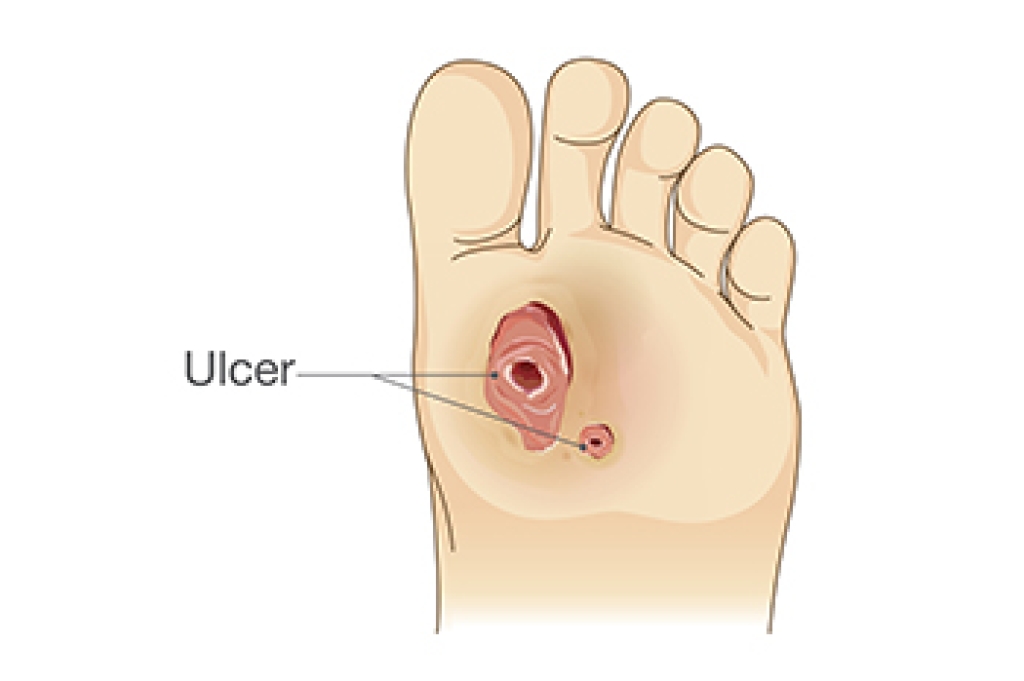
Kidney disease is a serious condition that can give rise to foot problems, primarily due to nerve and blood vessel damage. Two significant complications related to kidney disease and foot health are circulation issues and altered sensation. These changes can develop gradually, often without noticeable symptoms. One common foot problem associated with kidney complications is a foot ulcer, where the skin breaks down, exposing underlying tissue. Unfortunately, the skin's poor healing ability in some kidney disease patients makes them more susceptible to ulcers or infections, even from minor injuries. These foot ulcers can become infected, and if left untreated, may lead to severe complications, including an increased risk of heart attacks and strokes. If you have kidney disease, it is suggested that you are under the care of a podiatrist to set up regular screenings and assessments to detect any potential issues early and create a personalized treatment plan.

When dealing with systemic disease of the feet, it is extremely important to check the affected areas routinely so that any additional problems are caught quickly.  If you have any concerns about your feet and ankles contact one of our podiatrists from Family Foot Health Center. Our doctors will assist you with all of your podiatric needs.

Systemic Diseases of the Feet

Systemic diseases affect the whole body, and symptoms usually are displayed in the feet. This condition can make a patient’s ability to walk unbearable.  Systemic diseases include gout, diabetes mellitus, neurological disorders, and arthritis.

Gout – is caused by an excess of uric acid in the body. Common symptoms include pain, inflammation, and redness at the metatarsal/phalangeal joint of the base big toe. Gout can be treated by NSAIDs to relieve pain and inflammation, and other drugs that lower the acid levels in the body.

Diabetes mellitus – is an increase in the level of blood sugar that the body cannot counteract with its own insulin. Failure to produce enough insulin is a factor in Diabetes.

Diabetes of the Feet

Diabetic Neuropathy – may lead to damaged nerves and affect the feet through numbness and loss of sensation.

Peripheral Vascular Disease – can restrict the blood flow to the feet, and often times lead to amputation of the feet. 

If you have any questions please contact our office located in Rogers and Berryville, AR . We offer the newest diagnostic and treatment technologies for all your foot and ankle needs.

Read more about Systemic Diseases of the Foot

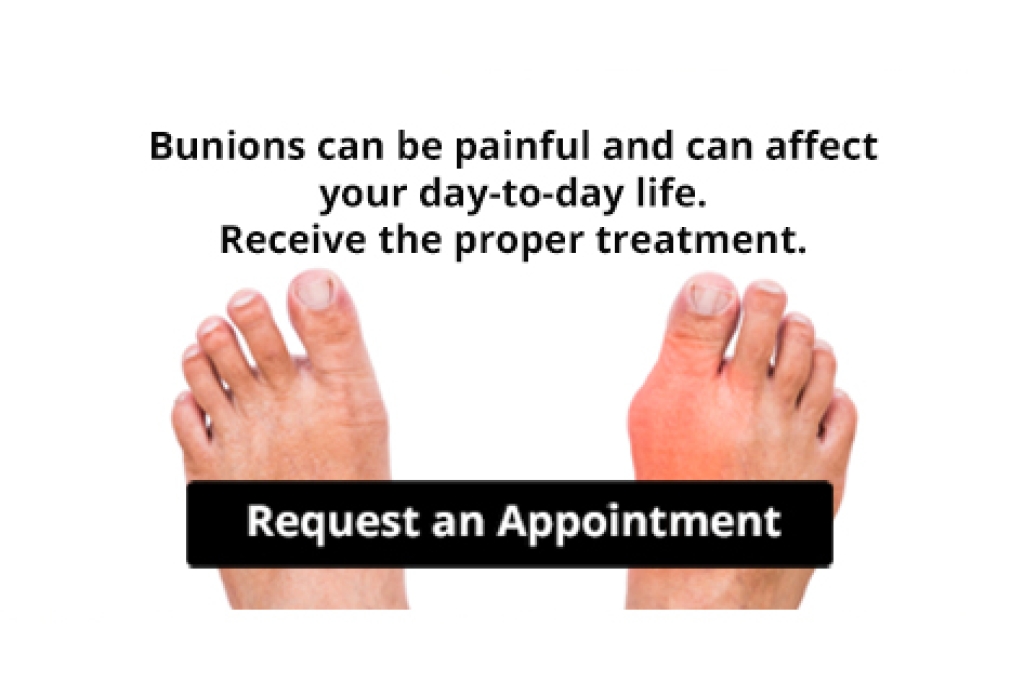
Are Bunions Affecting Your Everyday Life?

Have you noticed a bony protrusion on the side of your big toe? If so, you may have developed the foot condition known as a bunion. Don't let bunions interfere with your daily activities.

Causes of Sharp Pain in the Big Toe

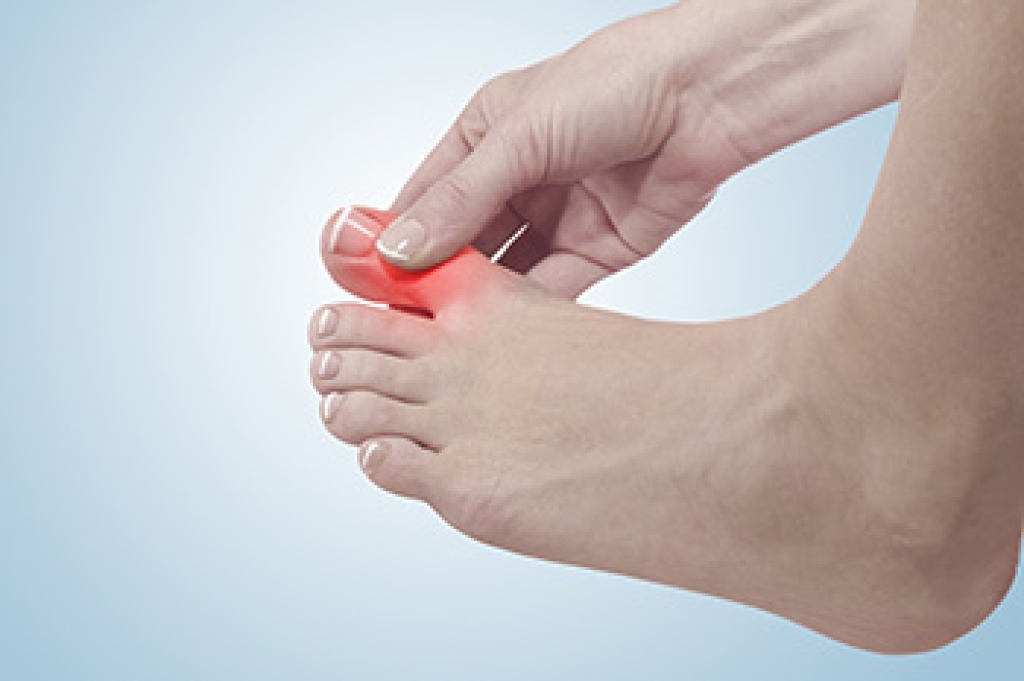
Experiencing sharp pain in the big toe can be a perplexing and discomforting ordeal with diverse underlying causes. One common culprit is gout, a form of arthritis characterized by the buildup of urate crystals in the joints, leading to sudden and intense pain. Ingrown toenails, where the toenail grows into the surrounding skin, can cause sharp pain and inflammation. Another potential reason is a condition known as turf toe, often seen in athletes, where excessive bending of the big toe leads to sprains of the ligaments. Neuromas, benign growths of nerve tissue, can also result in sharp pain, particularly when wearing tight footwear. Arthritis affecting the big toe joint, often seen in conditions like osteoarthritis or rheumatoid arthritis, may contribute to persistent sharp pain. If you are experiencing pain in your big toe, it is strongly suggested that you are under the care of a podiatrist who can determine what the cause is, and offer correct treatment options.

Toe pain can disrupt your daily activities. If you have any concerns, contact one of our podiatrists of Family Foot Health Center. Our doctors can provide the care you need to keep you pain-free and on your feet.

What Causes Toe Pain?

Most severe toe pain is caused due to a sports injury, trauma from dropping something heavy on the toe, or bumping into something rigid. Other problems can develop over time for various reasons.

Toe pain can be caused by one or more ailments. The most common include:

  • Trauma
  • Sports injury
  • Wearing shoes that are too tight
  • Arthritis
  • Gout
  • Corns and calluses
  • Hammertoe
  • Bunions
  • Blisters
  • Ingrown toenails
  • Sprains
  • Fractures (broken bones)
  • Dislocations

When to See a Podiatrist

  • Severe pain
  • Persistent pain that lasts more than a week
  • Signs of infection
  • Continued swelling
  • Pain that prevents walking

Diagnosis

In many cases the cause of toe pain is obvious, but in others, a podiatrist may want to use more advanced methods to determine the problem. These can range from simple visual inspections and sensation tests to X-rays and MRI scans. Prior medical history, family medical history, and any recent physical traumatic events will all be taken into consideration for a proper diagnosis.

Treatment

Treatments for toe pain and injuries vary and may include shoe inserts, padding, taping, medicines, injections, and in some cases, surgery. If you believe that you have broken a toe, please see a podiatrist as soon as possible.

If you have any questions please contact our office located in Rogers and Berryville, AR . We offer the newest diagnostic and treatment technologies for all your foot and ankle needs.

Read more about Toe Pain

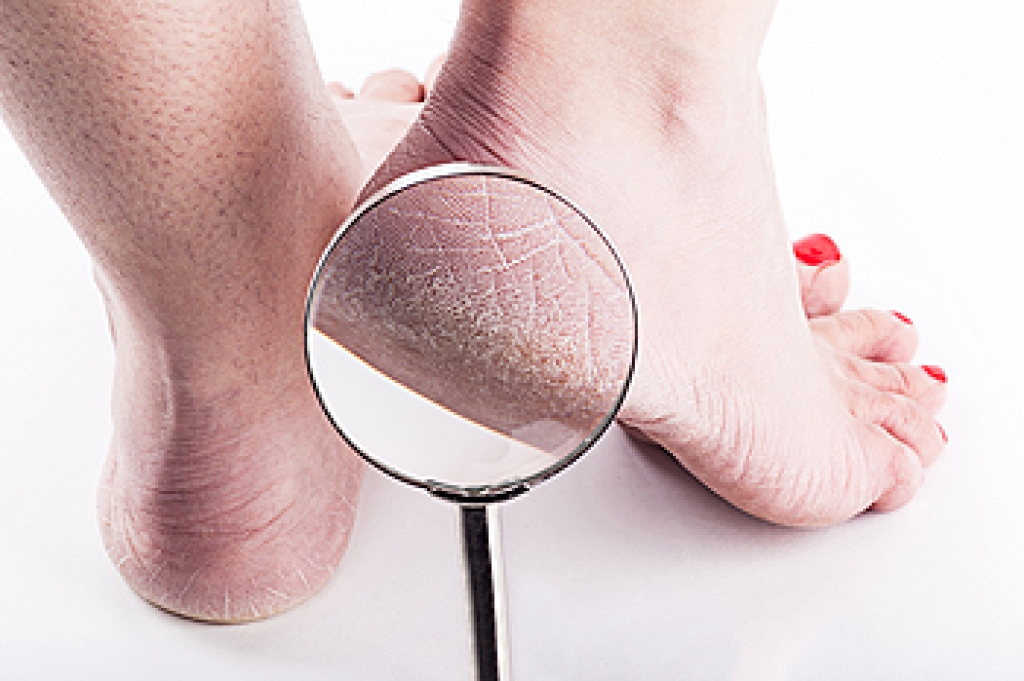
Medical Conditions Associated With Cracked Heels

Cracked heels, a common foot condition, often arise from dry skin, which can be exacerbated by various medical conditions. For instance, individuals with diabetes may develop neuropathy, a nerve condition that impairs the ability to sweat, leading to increased skin dryness. This lack of perspiration contributes significantly to the development of dry, cracked heels. Similarly, Sjogren’s syndrome, predominantly observed in women, is an autoimmune disorder where the body mistakenly attacks its moisture-producing glands, including those responsible for perspiration. This attack results in notably dry skin, heightening the risk of cracked heels. Additionally, specific skin conditions such as psoriasis, eczema, and fungal infections directly affect the skin's moisture balance. These conditions lead to the skin becoming dry and less elastic, making it more prone to cracking, especially in the heel area, which bears significant weight and pressure during walking and standing. These medical factors underscore the importance of understanding and managing underlying health conditions to prevent or treat cracked heels effectively. If you have cracked heels, it is suggested that you schedule an appointment with a podiatrist for an evaluation and a determination of whether there is an underlying medical problem, in addition to receiving correct treatment.

If the skin on your feet starts to crack, you may want to see a podiatrist to find treatment. If you have any concerns, contact one of our podiatrists from Family Foot Health Center. Our doctors can provide the care you need to keep you pain-free and on your feet.

Cracked Heels

It is important to moisturize your cracked heels in order to prevent pain, bleeding, and infection. The reason cracked heels form is because the skin on the foot is too dry to support the immense pressure placed on them. When the foot expands, the dry skin on the foot begins to split.

Ways to Help Heal Them

  • Invest in a good foot cream
  • Try Using Petroleum Jelly
  • Ease up on Soaps
  • Drink Plenty of Water

Ways to Prevent Cracked Heels

  • Moisturize After Showering
  • Skip a Shower
  • Keep Shower Water Lukewarm
  • Don’t Scrub Your Feet

If you are unsure how to proceed in treating cracked heels, seek guidance from a podiatrist. Your doctor will help you with any questions or information you may need. 

If you have any questions, please feel free to contact our office located in Rogers and Berryville, AR . We offer the newest diagnostic and treatment technologies for all your foot care needs.
Read more about Solutions for Cracked Heels