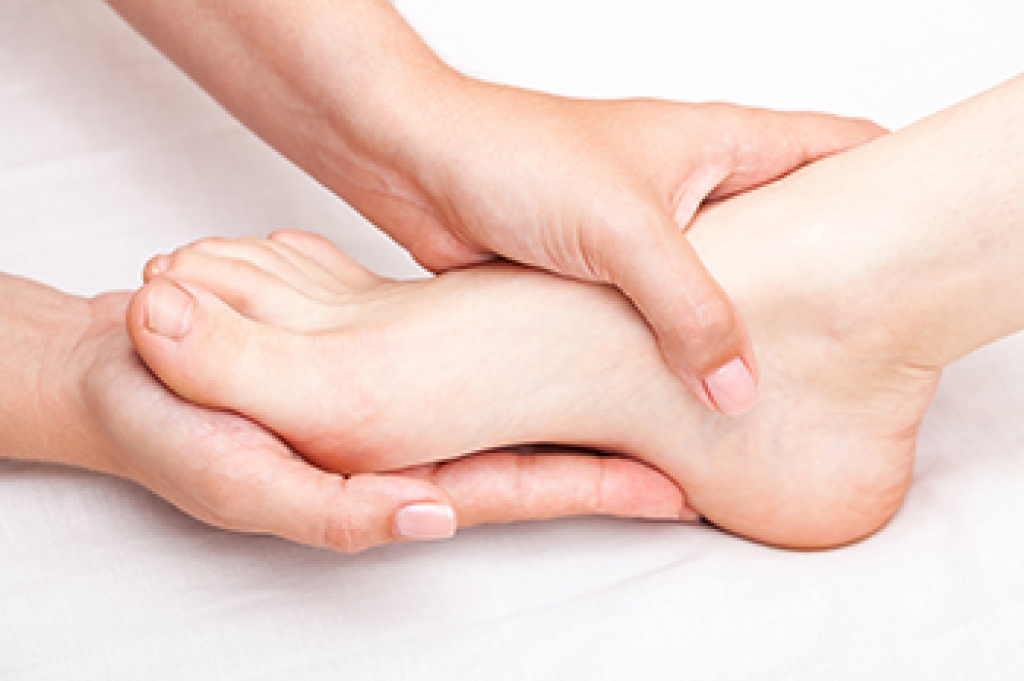
Understanding Achilles Tendinopathy

Achilles tendinopathy is a common condition that causes pain and stiffness in the tendon connecting the calf muscles to the heel. It often affects runners, athletes, or anyone who suddenly increases their level of activity. The pain usually starts gradually and worsens with movement, especially after rest or in the morning. Swelling or thickening along the back of the heel may also appear. This condition develops over time from overuse, wearing poor footwear, tight calf muscles or improper training techniques. Early treatment can prevent long-term damage. Rest, stretching, and strengthening exercises are often recommended. Supportive shoes or heel lifts can reduce strain. In more serious cases, targeted exercises or advanced treatments may be needed. If your heel or lower leg hurts with activity or becomes stiff, it is suggested you see a podiatrist for diagnosis and appropriate treatment.

Achilles tendon injuries need immediate attention to avoid future complications. If you have any concerns, contact one of our podiatrists of Family Foot Health Center. Our doctors can provide the care you need to keep you pain-free and on your feet.

What Is the Achilles Tendon?

The Achilles tendon is a tendon that connects the lower leg muscles and calf to the heel of the foot. It is the strongest tendon in the human body and is essential for making movement possible. Because this tendon is such an integral part of the body, any injuries to it can create immense difficulties and should immediately be presented to a doctor.

What Are the Symptoms of an Achilles Tendon Injury?

There are various types of injuries that can affect the Achilles tendon. The two most common injuries are Achilles tendinitis and ruptures of the tendon.

Achilles Tendinitis Symptoms

  • Inflammation
  • Dull to severe pain
  • Increased blood flow to the tendon
  • Thickening of the tendon

Rupture Symptoms

  • Extreme pain and swelling in the foot
  • Total immobility

Treatment and Prevention

Achilles tendon injuries are diagnosed by a thorough physical evaluation, which can include an MRI. Treatment involves rest, physical therapy, and in some cases, surgery. However, various preventative measures can be taken to avoid these injuries, such as:

  • Thorough stretching of the tendon before and after exercise
  • Strengthening exercises like calf raises, squats, leg curls, leg extensions, leg raises, lunges, and leg presses

If you have any questions please feel free to contact our office located in Rogers and Berryville, AR . We offer the newest diagnostic tools and technology to treat your foot and ankle needs.
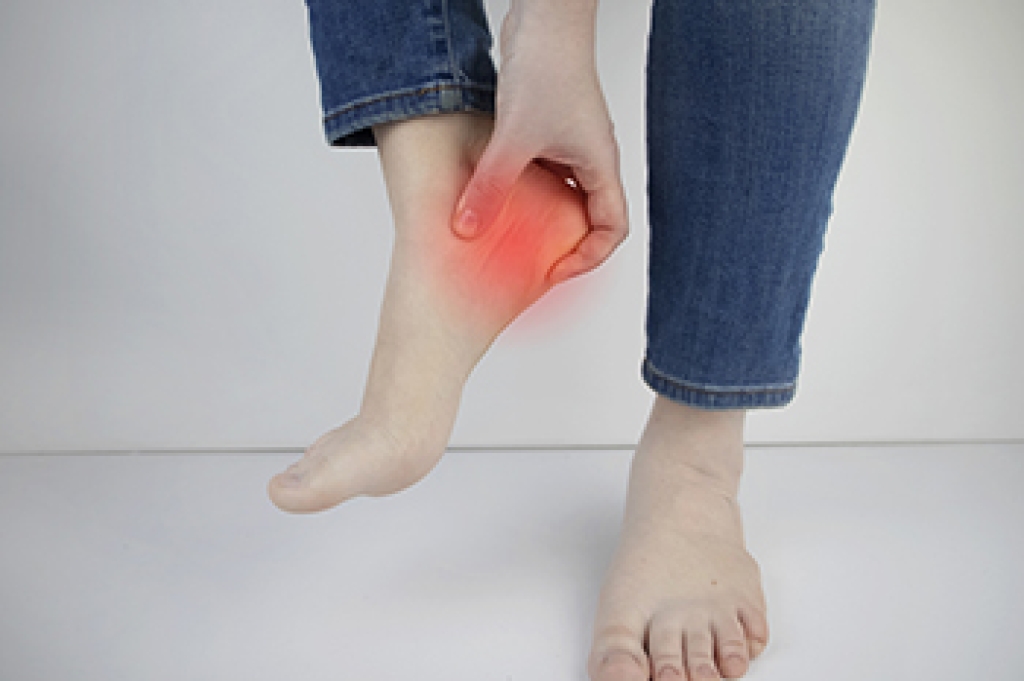

Read more about What are Achilles Tendon Injuries

Recognizing Signs of Healing From Plantar Fasciitis

Plantar fasciitis is a common condition characterized by inflammation of the plantar fascia, the thick band of tissue that runs from the heel bone to the toes. Plantar fasciitis typically causes sharp heel pain, especially with the first steps in the morning. Relief can begin with performing specific stretches that target the plantar fascia, such as rolling the foot on a tennis ball. Additionally, wearing supportive footwear or orthotics may accelerate the healing process.  As recovery progresses, patients often notice that mornings become easier because increased blood flow and reduced overnight pressure help relieve stiffness. Pain that was once widespread may become more localized, signaling that inflammation is decreasing. Another important sign of recovery is the return of range of motion in the foot and ankle, allowing for more comfortable walking and movement. Plantar fasciitis can cause extreme pain and discomfort, often causing difficulty in completing daily activities. If you have this condition, it is suggested that you are under the care of a podiatrist who can begin the necessary treatment as you look forward to signs of recovery.

Plantar fasciitis can be very painful and inconvenient. If you are experiencing heel pain or symptoms of plantar fasciitis, contact one of our podiatrists  from Family Foot Health Center. Our doctors can provide the care you need to keep you pain-free and on your feet.

What Is Plantar Fasciitis?

Plantar fasciitis is the inflammation of the thick band of tissue that runs along the bottom of your foot, known as the plantar fascia, and causes mild to severe heel pain.

What Causes Plantar Fasciitis?

  • Excessive running
  • Non-supportive shoes
  • Overpronation
  • Repeated stretching and tearing of the plantar fascia

How Can It Be Treated?

  • Conservative measures – anti-inflammatories, ice packs, stretching exercises, physical therapy, orthotic devices
  • Shockwave therapy – sound waves are sent to the affected area to facilitate healing and are usually used for chronic cases of plantar fasciitis
  • Surgery – usually only used as a last resort when all else fails. The plantar fascia can be surgically detached from the heel

While very treatable, plantar fasciitis is definitely not something that should be ignored. Especially in severe cases, speaking to your doctor right away is highly recommended to avoid complications and severe heel pain. Your podiatrist can work with you to provide the appropriate treatment options tailored to your condition.

If you have any questions, please feel free to contact our office located in Rogers and Berryville, AR . We offer the newest diagnostic and treatment technologies for all your foot care needs.

Read more about Plantar Fasciitis

Get Professional Care for a Broken Foot or Ankle

Constant care and regular evaluation are important for a foot or ankle fracture. If left untreated, foot or ankle fractures can worsen over time and create more serious problems.

Don't wait to be examined if you believe you've experienced a foot or ankle fracture.

Hammertoe and Surgical Treatment Facts

Hammertoe is a deformity where one or more toes become bent at the middle joint, causing them to resemble a hammer. This condition typically develops due to muscle imbalance, foot structure, or wearing tight or ill-fitting shoes. Over time, the affected toe may become rigid and painful, often leading to difficulty walking or wearing shoes comfortably. When conservative treatments like shoe modifications, stretching, or orthotic devices do not provide relief, surgery may be considered. Surgical hammertoe correction aims to realign the toe by removing a small piece of bone or releasing tight tendons. The procedure is usually done on an outpatient basis, and recovery varies depending on the severity of the deformity. Surgery can provide significant relief and improve toe alignment. If you have a painful hammertoe, it is suggested that you consult a podiatrist who can determine if this type of foot surgery is right for you.

Foot surgery is sometimes necessary to treat a foot ailment. To learn more, contact one of our podiatrists of Family Foot Health Center. Our doctors will assist you with all of your foot and ankle needs.

When Is Surgery Necessary?

Foot and ankle surgery is generally reserved for cases in which less invasive, conservative procedures have failed to alleviate the problem. Some of the cases in which surgery may be necessary include:

  • Removing foot deformities like bunions and bone spurs
  • Severe arthritis that has caused bone issues
  • Cosmetic reconstruction

What Types of Surgery Are There?

The type of surgery you receive will depend on the nature of the problem you have. Some of the possible surgeries include:

  • Bunionectomy for painful bunions
  • Surgical fusion for realignment of bones
  • Neuropathy decompression surgery to treat nerve damage

Benefits of Surgery

Although surgery is usually a last resort, it can provide more complete pain relief compared to non-surgical methods and may allow you to finally resume full activity.

Surgical techniques have also become increasingly sophisticated. Techniques like endoscopic surgery allow for smaller incisions and faster recovery times.

If you have any questions, please feel free to contact our office located in Rogers and Berryville, AR . We offer the newest diagnostic and treatment technologies for all your foot care needs.

Read more about Foot and Ankle Surgery

Signs Your Feet May Reveal a Thyroid Problem

The feet can offer important clues about thyroid health, often showing symptoms that are easy to overlook. Cracked heels may be one of the earliest signs, especially when dryness persists despite moisturizing. Itchy feet can also occur due to slowed skin cell turnover, commonly seen with low thyroid function. Cold feet are another frequent symptom, as the thyroid helps regulate body temperature and poor circulation may result from an underactive thyroid. Additionally, swollen feet can develop due to fluid retention, which sometimes accompanies hormonal imbalances linked to thyroid conditions. These foot-related signs should not be ignored, especially when they appear together or persist. If you have any of the above foot symptoms, it is suggested that you consult a podiatrist who can treat various foot conditions, and discuss the connection regarding possible thyroid disease.

When dealing with systemic disease of the feet, it is extremely important to check the affected areas routinely so that any additional problems are caught quickly.  If you have any concerns about your feet and ankles contact one of our podiatrists from Family Foot Health Center. Our doctors will assist you with all of your podiatric needs.

Systemic Diseases of the Feet

Systemic diseases affect the whole body, and symptoms usually are displayed in the feet. This condition can make a patient’s ability to walk unbearable.  Systemic diseases include gout, diabetes mellitus, neurological disorders, and arthritis.

Gout – is caused by an excess of uric acid in the body. Common symptoms include pain, inflammation, and redness at the metatarsal/phalangeal joint of the base big toe. Gout can be treated by NSAIDs to relieve pain and inflammation, and other drugs that lower the acid levels in the body.

Diabetes mellitus – is an increase in the level of blood sugar that the body cannot counteract with its own insulin. Failure to produce enough insulin is a factor in Diabetes.

Diabetes of the Feet

Diabetic Neuropathy – may lead to damaged nerves and affect the feet through numbness and loss of sensation.

Peripheral Vascular Disease – can restrict the blood flow to the feet, and often times lead to amputation of the feet. 

If you have any questions please contact our office located in Rogers and Berryville, AR . We offer the newest diagnostic and treatment technologies for all your foot and ankle needs.

Read more about Systemic Diseases of the Foot