The Importance of Practicing Foot Hygiene

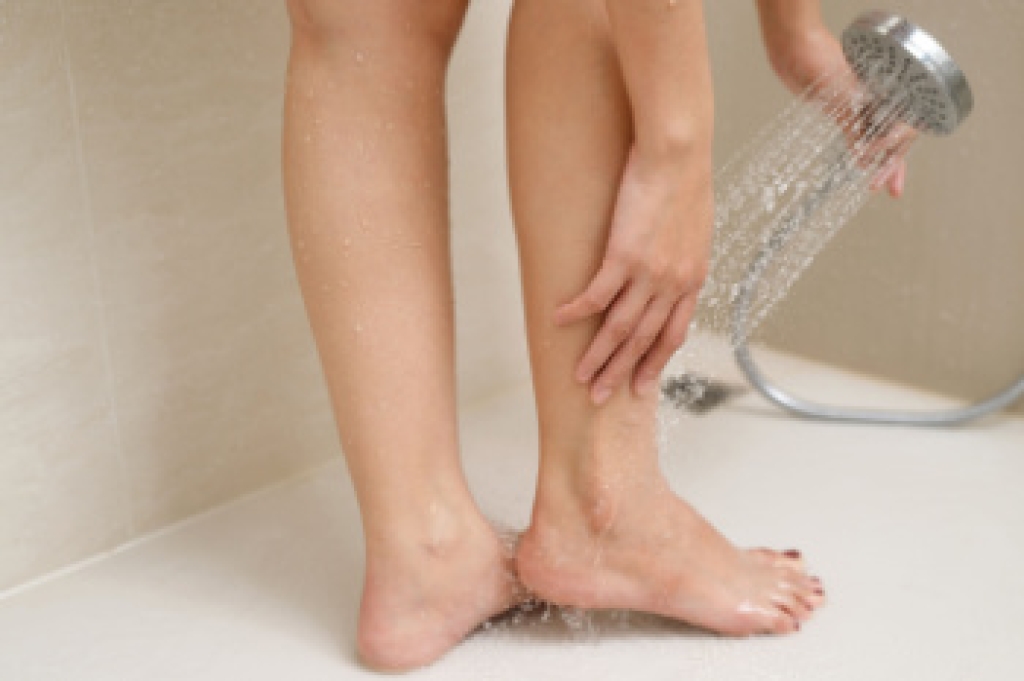
Good foot hygiene is an important part of overall health and involves several key practices. Daily foot care should include washing your feet with soap and water to remove dirt and bacteria, and thoroughly drying them afterward to prevent fungal infections. Applying moisturizer can help keep the skin from becoming dry and cracked. Nails should be trimmed straight across and not too short to avoid ingrown toenails and infections. A daily inspection of your feet for any cuts, blisters, redness, or swelling can help to catch potential problems early, especially for those with diabetes or circulation issues. It is also important to keep your shoes clean on the inside and outside. Regular check-ups with a podiatrist, or foot doctor, enhance these daily practices by providing professional assessment and treatment of any foot issues. Podiatrists can offer advice tailored to your specific foot health needs and create plans to maintain overall foot wellness. To help support your foot health and overall quality of life, make an appointment with a podiatrist today. 

Everyday foot care is very important to prevent infection and other foot ailments. If you need your feet checked, contact one of our podiatrists from Family Foot Health Center. Our doctors can provide the care you need to keep you pain-free and on your feet.

Everyday Foot Care

Often, people take care of their bodies, face and hair more so than they do for their feet. But the feet are a very important aspect of our bodies, and one that we should pay more attention to. Without our feet, we would not be able to perform most daily tasks.

It is best to check your feet regularly to make sure there are no new bruises or cuts that you may not have noticed before. For dry feet, moisturizer can easily be a remedy and can be applied as often as necessary to the affected areas. Wearing shoes that fit well can also help you maintain good foot health, as well as making it easier to walk and do daily activities without the stress or pain of ill-fitting shoes, high heels, or even flip flops. Wearing clean socks with closed shoes is important to ensure that sweat and bacteria do not accumulate within the shoe. Clean socks help to prevent Athlete’s foot, fungi problems, bad odors, and can absorb sweat.

If you have any questions, please feel free to contact our office located in Rogers and Berryville, AR . We offer the newest diagnostic and treatment technologies for all your foot care needs.

Read more about Everyday Foot Care

Do You Suffer From Painful Feet?

Painful deformities, such as hammertoes, can be treated. Stop living with foot pain, and have beautiful feet again!

The Prevalence of Bunions

Bunions, characterized by a bony bump that forms at the base of the big toe, affect a significant portion of the population. This deformity arises when the big toe begins to lean toward the second toe, causing the structure of the foot to change and result in a bump at the big toe joint. Factors contributing to bunion development include genetic predisposition, footwear choices, and certain foot structures. More women than men have bunions, due to wearing narrow, tight-fitting shoes and high heels that place undue pressure on the forefoot. However, anyone can develop bunions, and they are increasingly observed across all age groups, from teenagers to the elderly. The widespread nature of this condition shows the importance of recognizing early symptoms and seeking appropriate treatment. A podiatrist, or foot doctor, has the specialized knowledge of the foot to properly treat and prevent bunions. It is suggested you schedule an appointment with a podiatrist if you have a bunion to prevent its progression.

If you are suffering from bunions, contact one of our podiatrists of Family Foot Health Center. Our doctors can provide the care you need to keep you pain-free and on your feet.

What Is a Bunion?

A bunion is formed of swollen tissue or an enlargement of boney growth, usually located at the base joint of the toe that connects to the foot. The swelling occurs due to the bones in the big toe shifting inward, which impacts the other toes of the foot. This causes the area around the base of the big toe to become inflamed and painful.

Why Do Bunions Form?

Genetics – Susceptibility to bunions are often hereditary

Stress on the feet – Poorly fitted and uncomfortable footwear that places stress on feet, such as heels, can worsen existing bunions

How Are Bunions Diagnosed?

Podiatrists often perform two tests – blood tests and x-rays – when trying to diagnose bunions, especially in the early stages of development. Blood tests help determine if the foot pain is being caused by something else, such as arthritis, while x-rays provide a clear picture of your bone structure to your provider.

How Are Bunions Treated?

  • Refrain from wearing heels or similar shoes that cause discomfort
  • Select wider shoes that can provide more comfort and reduce pain
  • Anti-inflammatory and pain management drugs
  • Orthotics or foot inserts
  • Surgery

If you have any questions, please feel free to contact our office located in Rogers and Berryville, AR . We offer the newest diagnostic and treatment technologies for all your foot care needs.

Read more about Bunions

Blisters on the Feet

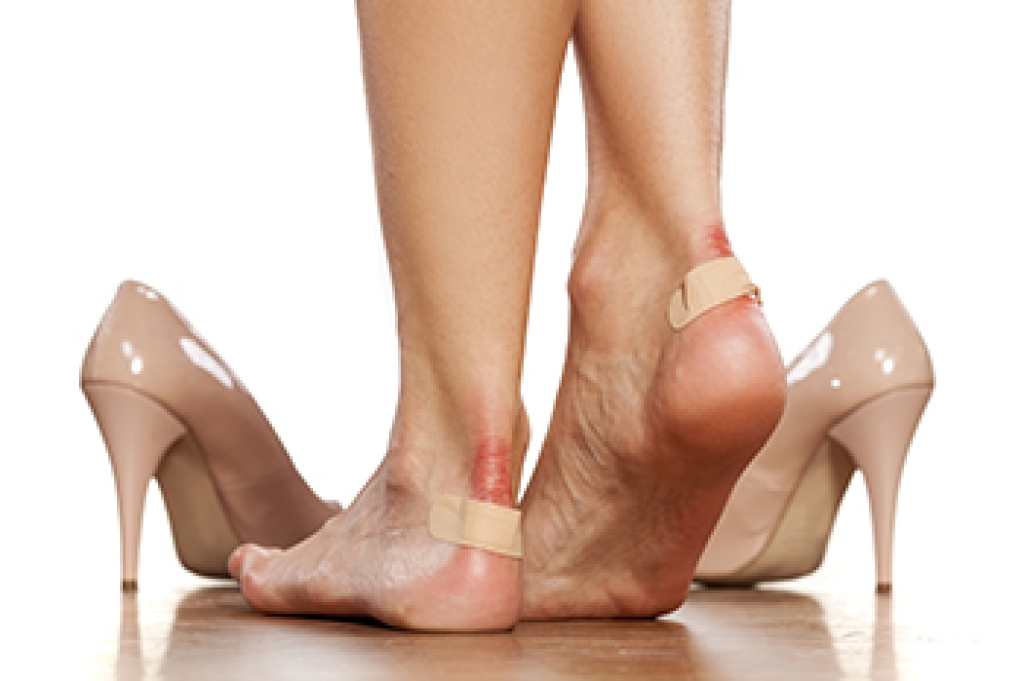
Blisters on the feet are fluid-filled sacs that form on the outer layer of the skin, typically caused by friction or pressure. They can occur due to wearing ill-fitting footwear, prolonged walking or running, excessive moisture, or repetitive rubbing against the skin. Blisters often manifest as a raised area filled with clear fluid, which may be painful or tender to the touch. In some cases, they can cause discomfort while walking or wearing shoes. While blisters often heal on their own within a few days, they can sometimes lead to complications such as infection if not properly managed. It is important to keep on top of foot blisters should they form. Keep the area clean and protected to prevent infection. If you have a blister that becomes red, swollen or shows signs of pus, or if you develop recurrent or large blisters that cause severe pain, it is suggested that you schedule an appointment with a podiatrist for care to prevent further complications.

Blisters may appear as a single bubble or in a cluster. They can cause a lot of pain and may be filled with pus, blood, or watery serum. If your feet are hurting, contact one of our podiatrists of Family Foot Health Center. Our doctors can provide the care you need to keep you pain-free and on your feet.

Foot Blisters

Foot blisters are often the result of friction. This happens due to the constant rubbing from shoes, which can lead to pain.

What Are Foot Blisters?

A foot blister is a small fluid-filled pocket that forms on the upper-most layer of the skin. Blisters are filled with clear fluid and can lead to blood drainage or pus if the area becomes infected.

Symptoms

(Blister symptoms may vary depending on what is causing them)

  • Bubble of skin filled with fluid
  • Redness
  • Moderate to severe pain
  • Itching

Prevention & Treatment

In order to prevent blisters, you should be sure to wear comfortable shoes with socks that cushion your feet and absorb sweat. Breaking a blister open may increase your chances of developing an infection. However, if your blister breaks, you should wash the area with soap and water immediately and then apply a bandage to the affected area. If your blisters cause severe pain it is important that you call your podiatrist right away.

If you have any questions, please feel free to contact our office located in Rogers and Berryville, AR . We offer the newest diagnostic and treatment technologies for all your foot care needs.

Read more about Blisters

Morton’s Neuroma and Ball of Foot Pain

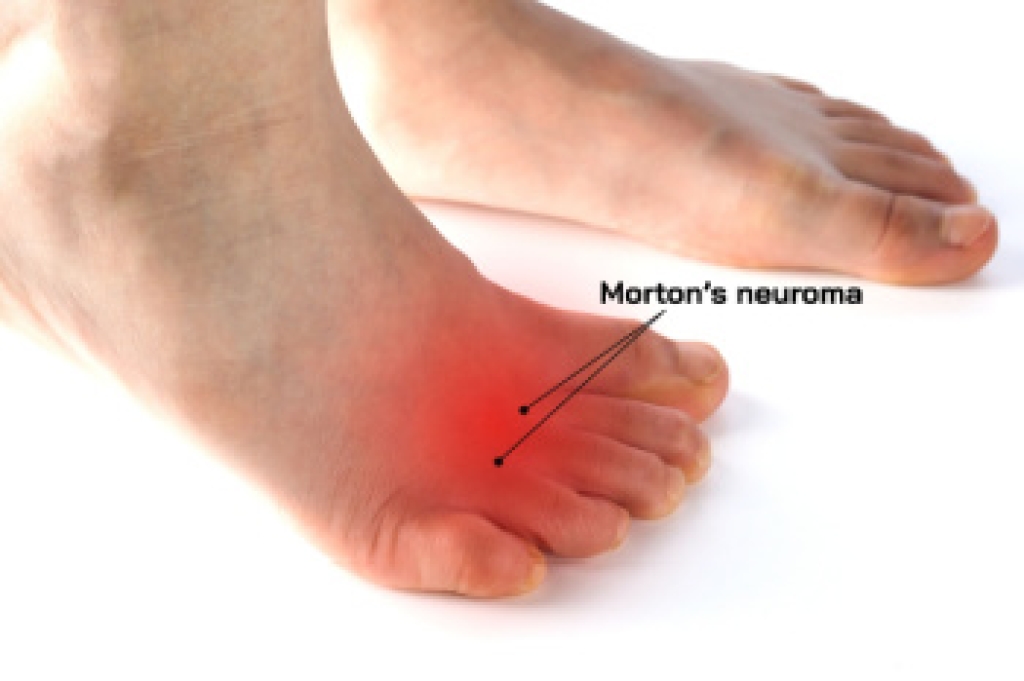
Morton's neuroma is a painful condition that affects the ball of the foot, primarily between the third and fourth toes. It occurs when the tissue around one of the nerves leading to the toes thickens, which can cause a sharp, burning pain in the foot. This thickening is often a response to irritation, pressure, or injury to the nerve. Patients commonly report feeling like they are stepping on a pebble or have a knot in their sock. Other symptoms include a burning sensation in the ball of the foot that may radiate into the toes, numbness, and tingling in the affected toes. These symptoms can get worse with certain activities that put pressure on the foot, like running or wearing high heels. Incorrect footwear that cramps the toes together can also contribute to the condition by putting additional pressure on the nerves in the foot. If you are experiencing pain in the ball of the foot, or suspect Morton’s neuroma, it is suggested that you schedule an appointment with a podiatrist for treatment options. 

Morton’s neuroma is a very uncomfortable condition to live with. If you think you have Morton’s neuroma, contact one of our podiatrists of Family Foot Health Center. Our doctors will attend to all of your foot care needs and answer any of your related questions.  

Morton’s Neuroma

Morton's neuroma is a painful foot condition that commonly affects the areas between the second and third or third and fourth toe, although other areas of the foot are also susceptible. Morton’s neuroma is caused by an inflamed nerve in the foot that is being squeezed and aggravated by surrounding bones.

What Increases the Chances of Having Morton’s Neuroma?

  • Ill-fitting high heels or shoes that add pressure to the toe or foot
  • Jogging, running or any sport that involves constant impact to the foot
  • Flat feet, bunions, and any other foot deformities

Morton’s neuroma is a very treatable condition. Orthotics and shoe inserts can often be used to alleviate the pain on the forefront of the feet. In more severe cases, corticosteroids can also be prescribed. In order to figure out the best treatment for your neuroma, it’s recommended to seek the care of a podiatrist who can diagnose your condition and provide different treatment options.

If you have any questions, please feel free to contact our office located in Rogers and Berryville, AR . We offer the newest diagnostic and treatment technologies for all your foot care needs.

Read more about Morton's Neuroma