What Type of Shoes to Purchase for Work

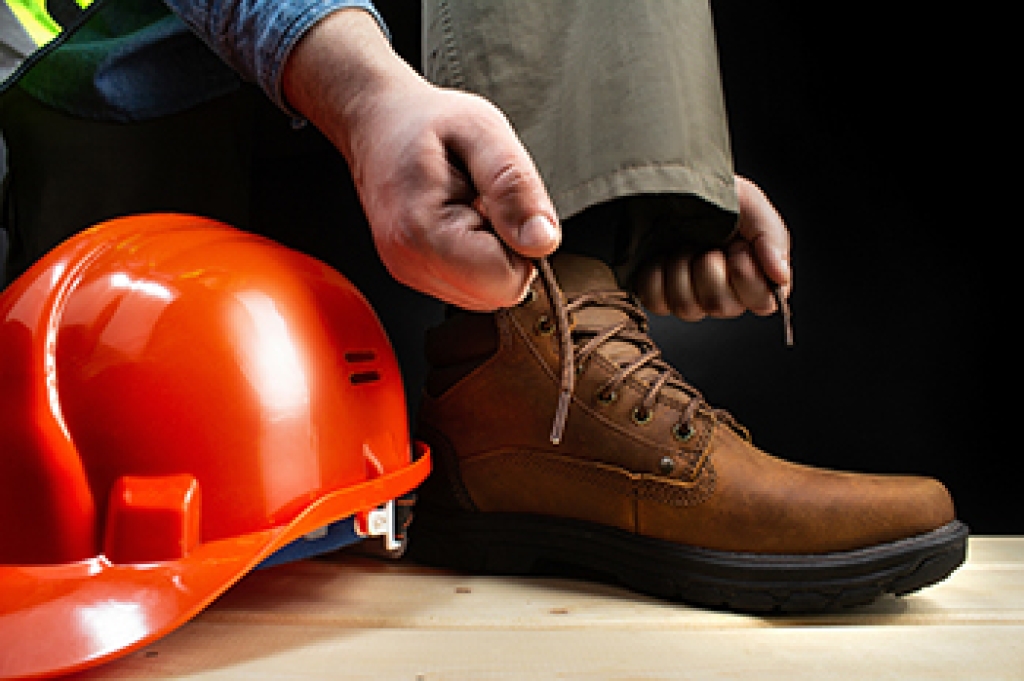
The majority of professions require that specific types of shoes are to be worn during the workday. These can include medical personnel, restaurant employees, and people who work on construction sites. The correct work shoes need to be comfortable and allow the toes to move freely. It is beneficial for people who wear high heels to ensure there is adequate shock absorption, in addition to being aware of the height of the heel. Many people who work in hospitals and medical offices opt to wear clogs, as they can protect the feet while standing for long periods. Employees who work on construction sites may benefit from wearing boots that can have a steel toe and non-slip soles. If you have questions about choosing what type of shoes to wear for work, it is suggested that you confer with a podiatrist who can guide you toward purchasing the appropriate type of shoes for your work needs.

While working on the feet, it is important to take the proper care of them. For more information about working on your feet, contact one of our podiatrists from Family Foot Health Center. Our doctors will treat your foot and ankle needs.

Working on Your Feet

Standing on your feet for long periods of time can cause stress and pain in your feet. Your whole body may experience change in terms of posture, back pain, bunions, callouses and or plantar warts. There are ways to avoid these conditions with proper foot care, smart choices and correct posture.

Positive Changes

Negative heeled shoe – Choosing this shoe type places the heel slightly lower than the ball of the foot. These are great for overall foot health. Find shoes that fit you correctly.

Go barefoot – Our feet were not designed to be enclosed for all hours of the day. Try to periodically expose your feet to air.

Eliminate Pain

Foot Exercises – Performing simple exercises, incorporating yoga and doing stretches are beneficial. This will allow increased blood flow to the area and muscles of the foot.

Achilles tendon – Stretching the foot out flat on the floor will relax the calf muscles and tendon. These exercises can be performed almost anywhere. Make sure you add these exercises to your daily regimen. 

With a little bit of this information and knowing more about foot health, you will notice changes. Foot stretches and proper footwear will help with pain and prevent further issues.

If you have any questions please contact our office located in Rogers and Berryville, AR . We offer the newest diagnostic and treatment technologies for all your foot and ankle needs.
Read more about Working on Your Feet

Keep Your Feet Healthy So You Can Stay Active

Have your feet inspected by a professional before starting a new sport or physical activity. Taking charge of your foot health will keep you in good physical condition and can help you avoid a potential injury, such as a fracture or sprained ankle.

Prevent injuries and see a foot specialist.

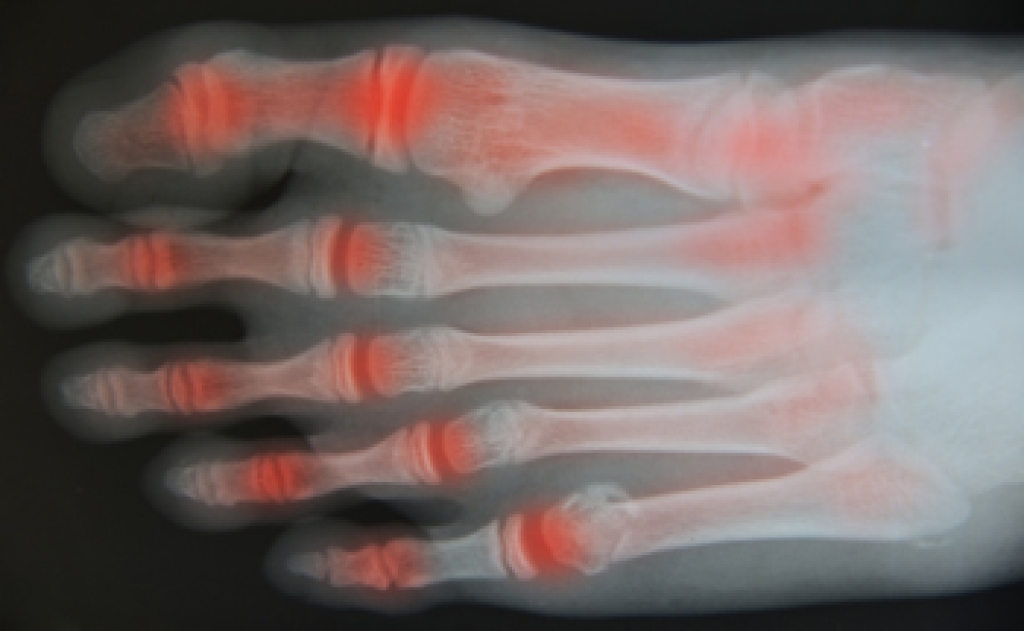
Can Arthritis in the Feet Be Helped?

The painful condition that is known as arthritis affects the joints in the body, and the feet are no exception. The most common type of arthritis is known as osteoarthritis, and can occur from wear and tear in the joints. The feet are often taken for granted until they become painful. Arthritis is a condition that can cause foot pain, and happens when the joints become inflamed. The area where two bones connect is referred to as a joint, and arthritis can happen to one or more of the 33 joints that are found in each foot. Some of the early symptoms people can experience can consist of stiffness, redness, and the affected area can be swollen and warm when touched. Gout is another form of arthritis that has sudden symptoms, and is generally felt overnight. This type of gout is caused by having excess uric acid in the blood, and effective prevention methods can include drinking plenty of water, and eating foods that are healthy. Treatment methods for different types of arthritis may include taking herbal supplements, or prescription medicine. If you have arthritis in your feet, it is strongly suggested that you contact a podiatrist who can expertly diagnose and promote quality arthritic foot care. 

Arthritis can be a difficult condition to live with. If you are seeking treatment, contact one of our podiatrists from Family Foot Health Center. Our doctors can provide the care you need to keep you pain-free and on your feet.

Arthritic Foot Care  

Arthritis is a joint disorder that involves the inflammation of different joints in your body, such as those in your feet. Arthritis is often caused by a degenerative joint disease and causes mild to severe pain in all affected areas. In addition to this, swelling and stiffness in the affected joints can also be a common symptom of arthritis.

In many cases, wearing ill-fitting shoes can worsen the effects and pain of arthritis. Wearing shoes that have a lower heel and extra room can help your feet feel more comfortable. In cases of rheumatoid arthritis, the arch in your foot may become problematic. Buying shoes with proper arch support that contour to your feet can help immensely.

Alleviating Arthritic Pain

  • Exercises that stretch the foot can prevent further pain and injury and increase mobility
  • Most of the pain can be alleviated with anti-inflammatory drugs, heat, and topical medications
  • Massages can help temporarily alleviate pain.

It is best to see your doctor for the treatment that is right for your needs and symptoms. Conditions vary, and a podiatrist can help you determine the right method of care for your feet.

If you have any questions please feel free to contact our office located in Rogers and Berryville, AR . We offer the newest diagnostic tools and technology to treat your foot and ankle needs.

Read more about Arthritic Foot Care

Possible Relief From Plantar Fasciitis

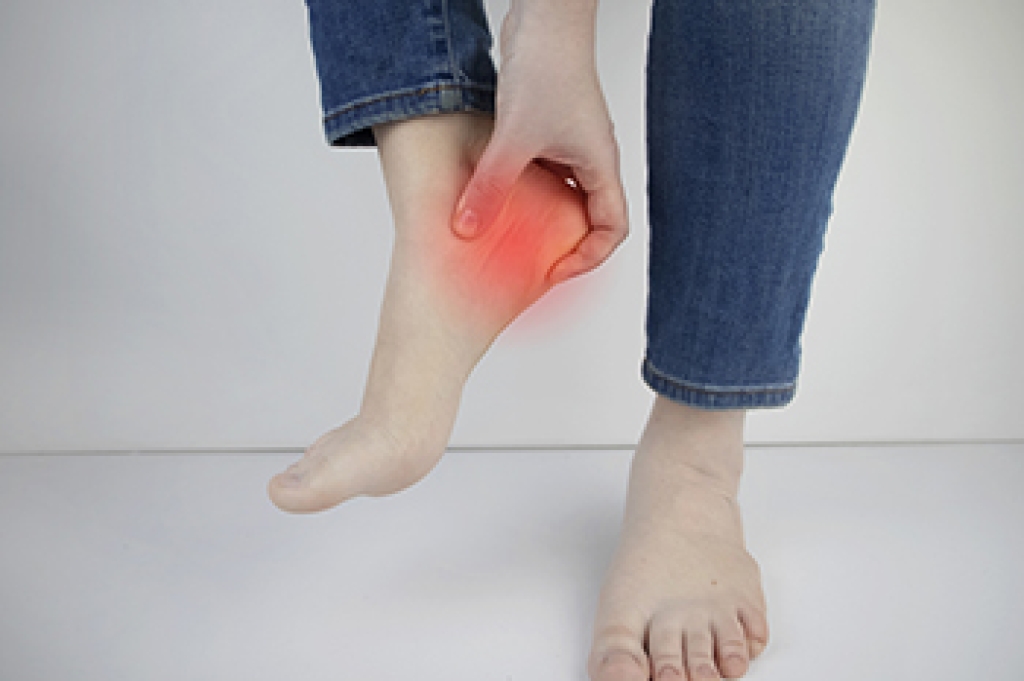
Plantar fasciitis is an uncomfortable foot condition. Some people experience debilitating pain and often seek medical treatment from a podiatrist for relief. It develops as a result of an irritated or torn plantar fascia, which is the band of tissue on the sole of the foot. The plantar fascia connects the heel to the toes and is necessary for pointing and flexing the foot. An injury can cause the plantar fascia to become damaged, possibly causing limping and the patient to favor one foot. Performing simple exercises may help the plantar fascia to become stronger. A calf raise is an effective stretch to do several times per day and is done by standing on a step, and lowering one heel at a time until a gentle pull is felt. It may also help to roll the affected foot on a tennis ball or frozen bottle of water, which can help to loosen the bottom of the foot. Many people prefer to use a towel to stretch their feet. This is done by placing it on the floor and scrunching it with their toes. If you are afflicted with plantar fasciitis, it is strongly suggested that you speak to a podiatrist as quickly as possible who can offer you the treatment that is best for you.

Plantar fasciitis can be very painful and inconvenient. If you are experiencing heel pain or symptoms of plantar fasciitis, contact one of our podiatrists  from Family Foot Health Center. Our doctors can provide the care you need to keep you pain-free and on your feet.

What Is Plantar Fasciitis?

Plantar fasciitis is the inflammation of the thick band of tissue that runs along the bottom of your foot, known as the plantar fascia, and causes mild to severe heel pain.

What Causes Plantar Fasciitis?

  • Excessive running
  • Non-supportive shoes
  • Overpronation
  • Repeated stretching and tearing of the plantar fascia

How Can It Be Treated?

  • Conservative measures – anti-inflammatories, ice packs, stretching exercises, physical therapy, orthotic devices
  • Shockwave therapy – sound waves are sent to the affected area to facilitate healing and are usually used for chronic cases of plantar fasciitis
  • Surgery – usually only used as a last resort when all else fails. The plantar fascia can be surgically detached from the heel

While very treatable, plantar fasciitis is definitely not something that should be ignored. Especially in severe cases, speaking to your doctor right away is highly recommended to avoid complications and severe heel pain. Your podiatrist can work with you to provide the appropriate treatment options tailored to your condition.

If you have any questions, please feel free to contact our office located in Rogers and Berryville, AR . We offer the newest diagnostic and treatment technologies for all your foot care needs.

Read more about Plantar Fasciitis

Which Type of Hyperhidrosis Do I Have?

Hyperhidrosis is defined as excessive sweating. Plantar hyperhidrosis affects the feet and can cause discomfort and embarrassment. There are approximately 125,000 sweat glands in each foot and they can work overtime in people who are afflicted with this condition. Hyperhidrosis affects approximately five percent of people nationwide and typically males are targeted more than females. There are two categories of hyperhidrosis. Excessive sweating that begins in childhood and continues into adulthood is known as primary or focal hyperhidrosis. When larger body areas are affected, this can be referred to as secondary hyperhidrosis which might be a side effect of taking certain medications. Suppose you sweat excessively beyond the average causes of running or exercising. In that case, it is suggested that you consult with a podiatrist who can determine which type of hyperhidrosis you have and offer you relief methods.

If you are suffering from hyperhidrosis contact one of our podiatrists of Family Foot Health Center. Our doctors can provide the care you need to attend to all of your foot and ankle needs.

Hyperhidrosis of the Feet

Hyperhidrosis is a rare disorder that can cause people to have excessive sweating of their feet. This can usually occur all on its own without rigorous activity involved. People who suffer from hyperhidrosis may also experience sweaty palms.

Although it is said that sweating is a healthy process meant to cool down the body temperature and to maintain a proper internal temperature, hyperhidrosis may prove to be a huge hindrance on a person’s everyday life.

Plantar hyperhidrosis is considered to be the main form of hyperhidrosis. Secondary hyperhidrosis can refer to sweating that occurs in areas other than the feet or hands and armpits. Often this may be a sign of it being related to another medical condition such as menopause, hyperthyroidism and even Parkinson’s disease.

In order to alleviate this condition, it is important to see your doctor so that they may prescribe the necessary medications so that you can begin to live a normal life again. If this is left untreated, it is said that it will persist throughout an individual’s life.

A last resort approach would be surgery, but it is best to speak with your doctor to find out what may be the best treatment for you.

If you have any questions, please feel free to contact our office located in Rogers and Berryville, AR . We offer the newest diagnostic and treatment technologies for all your foot care needs.

Read more about Hyperhidrosis of the Feet