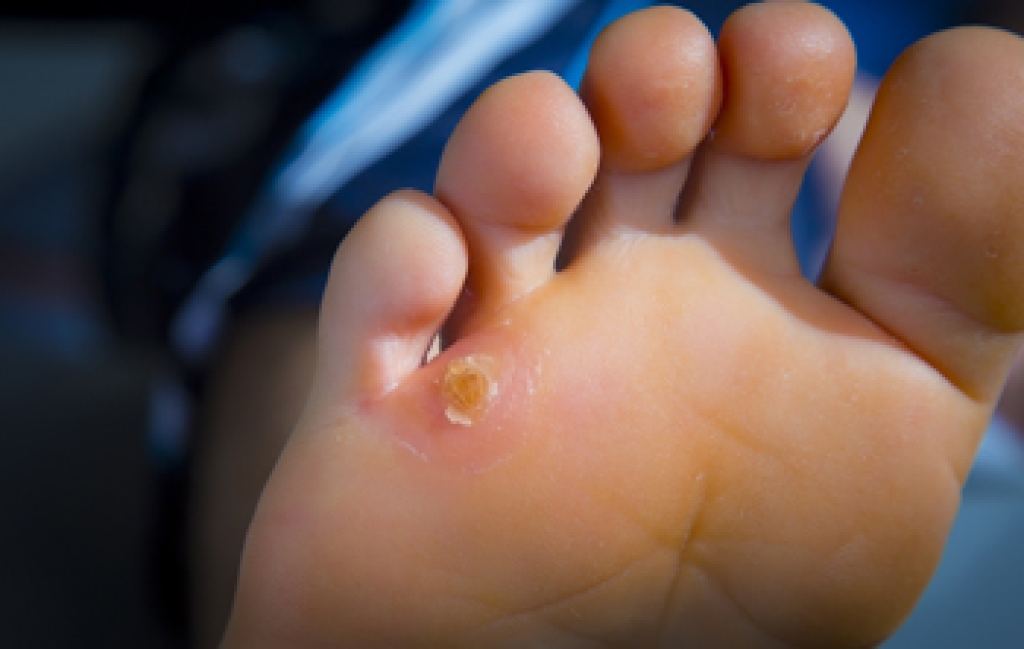
Managing Corns and Calluses

Corns and calluses are foot conditions that develop as a protective response to friction or pressure on the skin. Corns typically appear on the top or sides of toes, while calluses form on the soles of the feet. These areas of thickened skin are generally not serious, but they can become uncomfortable or painful if left untreated. Wearing ill-fitting shoes are often a cause, as they can create repeated rubbing against the skin. Corns and calluses can also develop from underlying foot conditions like bunions or hammertoes. A podiatrist can identify the cause and help alleviate pain by removing the thickened tissue. Methods to prevent corns and calluses from returning include wearing proper footwear and addressing any foot deformities or abnormal gait patterns. Regular foot exams are recommended, particularly for individuals with diabetes, to prevent complications. If you have problematic corns or calluses on the feet, it is suggested that you schedule an appointment with a podiatrist.

If you have any concerns regarding your feet and ankles, contact one of our podiatrists of Family Foot Health Center. Our doctors will treat your foot and ankle needs.

Corns: What Are They? and How Do You Get Rid of Them?
Corns can be described as areas of the skin that have thickened to the point of becoming painful or irritating. They are often layers and layers of the skin that have become dry and rough, and are normally smaller than calluses.

Ways to Prevent Corns
There are many ways to get rid of painful corns such as wearing:

  • Well-fitting socks
  • Comfortable shoes that are not tight around your foot
  • Shoes that offer support

Treating Corns
Treatment of corns involves removing the dead skin that has built up in the specific area of the foot. Consult with Our doctors to determine the best treatment option for your case of corns.

If you have any questions, please feel free to contact our office located in Rogers and Berryville, AR . We offer the newest diagnostic and treatment technologies for all your foot care needs.

Read more about Corns and Calluses

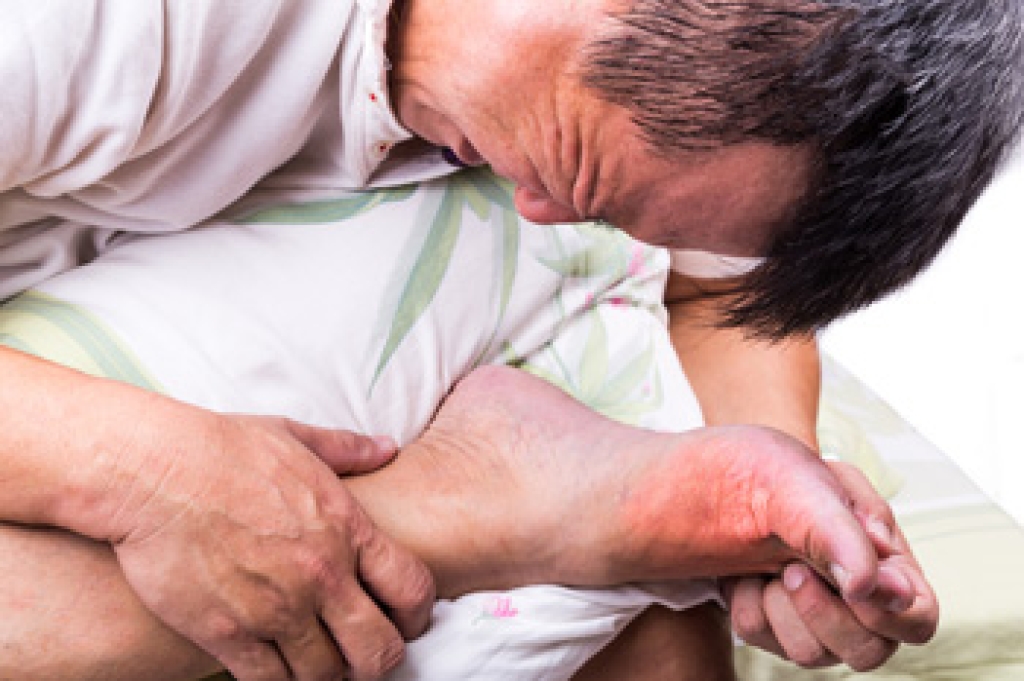
Recognizing Signs of Gout in the Feet

Gout is a form of arthritis that can cause significant discomfort, particularly in the feet. One of the most common signs is intense pain, often occurring suddenly and affecting the big toe, although it can impact other joints as well. Inflammation is another key indicator, with the affected area becoming swollen and tender to the touch. Additionally, skin discoloration may occur, with the skin appearing red or purplish around the joint. Some individuals may also experience itchy, peeling skin, which can add further discomfort. If you have pain in your big toe, it may be gout and may lead to one or more gout attacks. If this applies to you, it is strongly suggested that you are under the care of a podiatrist who can accurately diagnose gout and offer you relief and management tips. 

Gout is a painful condition that can be treated. If you are seeking treatment, contact one of our podiatrists from Family Foot Health Center. Our doctors will treat your foot and ankle needs.

What Is Gout?

Gout is a form of arthritis that is characterized by sudden, severe attacks of pain, redness, and tenderness in the joints. The condition usually affects the joint at the base of the big toe. A gout attack can occur at any random time, such as the middle of the night while you are asleep.

Symptoms

  • Intense Joint Pain - Usually around the large joint of your big toe, and it most severe within the first four to twelve hours
  • Lingering Discomfort - Joint discomfort may last from a few days to a few weeks
  • Inflammation and Redness -Affected joints may become swollen, tender, warm and red
  • Limited Range of Motion - May experience a decrease in joint mobility

Risk Factors

  • Genetics - If family members have gout, you’re more likely to have it
  • Medications - Diuretic medications can raise uric acid levels
  • Gender/Age - Gout is more common in men until the age of 60. It is believed that estrogen protects women until that point
  • Diet - Eating red meat and shellfish increases your risk
  • Alcohol - Having more than two alcoholic drinks per day increases your risk
  • Obesity - Obese people are at a higher risk for gout

Prior to visiting your podiatrist to receive treatment for gout, there are a few things you should do beforehand. If you have gout you should write down your symptoms--including when they started and how often you experience them, important medical information you may have, and any questions you may have. Writing down these three things will help your podiatrist in assessing your specific situation so that he or she may provide the best route of treatment for you.

If you have any questions, please feel free to contact our office located in Rogers and Berryville, AR . We offer the newest diagnostic and treatment technologies for all your foot care needs.

Read more about Gout

Do Your Child's Feet Hurt?

Have your child's feet been examined lately? Healthy feet are happy feet. If your child is complaining of foot pain, it may be a sign of underlying problems.

Causes and Effects of Ankle Sprains

An ankle sprain occurs when the ligaments surrounding the ankle joint are overstretched or torn, often resulting from an awkward step or a sudden twist. Ankle sprains can happen during sports or everyday activities, such as walking on uneven ground or tripping on stairs. Common symptoms of ankle sprains include pain, swelling, bruising, and difficulty putting weight on the affected foot. While mild sprains typically heal with rest, more severe cases may require additional support, such as braces or splints to aid in recovery. Ignoring a sprain can lead to long-term instability and recurring injuries. A podiatrist can assess the severity of your ankle sprain, recommend the proper treatment, and guide the rehabilitation process to prevent future complications. If you believe you may have sprained an ankle, it is suggested that you schedule an appointment with a podiatrist for a diagnosis and treatment.

Ankle sprains are common but need immediate attention. If you need your feet checked, contact one of our podiatrists from Family Foot Health Center. Our doctors can provide the care you need to keep you pain-free and on your feet.

How Does an Ankle Sprain Occur?

Ankle sprains take place when the ligaments in your ankle are torn or stretched beyond their limits. There are multiple ways that the ankle can become injured, including twisting or rolling over onto your ankle, putting undue stress on it, or causing trauma to the ankle itself.

What Are the Symptoms?

  • Mild to moderate bruising
  • Limited mobility
  • Swelling
  • Discoloration of the skin (depending on severity)

Preventing a Sprain

  • Wearing appropriate shoes for the occasion
  • Stretching before exercises and sports
  • Knowing your limits

Treatment of a Sprain

Treatment of a sprain depends on the severity.  Many times, people are told to rest and remain off their feet completely, while others are given an air cast. If the sprain is very severe, surgery may be required.

If you have suffered an ankle sprain previously, you may want to consider additional support such as a brace and regular exercises to strengthen the ankle.

If you have any questions please feel free to contact our office located in Rogers and Berryville, AR . We offer the newest diagnostic tools and technology to treat your foot and ankle needs.

Read more about Ankle Sprains

Swollen Feet During Pregnancy

Swollen feet are a common discomfort during pregnancy, often caused by the body retaining extra fluid and pressure from the growing uterus. This extra pressure can affect blood flow, leading to fluid buildup in the lower extremities. Swelling of the feet and ankles is typically more noticeable later in the day or during advanced stages of pregnancy. While this is usually harmless, it can become uncomfortable and limit mobility. It is important to monitor sudden increases in swelling, as they may be a sign of a more serious condition, such as pre-eclampsia, which requires immediate medical attention. A podiatrist can assess your feet, offer guidance on managing discomfort, and suggest ways to alleviate pressure on the feet and ankles. This medically trained foot doctor can also evaluate whether the swelling is part of a typical pregnancy experience or if further intervention is necessary. If pregnancy is causing swollen feet and ankles, it is suggested that you make an appointment with a podiatrist for an exam, diagnosis, and treatment options.

Pregnant women with swollen feet can be treated with a variety of different methods that are readily available. For more information about other cures for swollen feet during pregnancy, consult with one of our podiatrists from Family Foot Health Center. Our doctors will attend to all of your foot and ankle needs.

What Foot Problems Can Arise During Pregnancy?

One problem that can occur is overpronation, which occurs when the arch of the foot flattens and tends to roll inward.  This can cause pain and discomfort in your heels while you’re walking or even just standing up, trying to support your baby.  

Another problem is edema, or swelling in the extremities. This often affects the feet during pregnancy but tends to occur in the later stages. 

How Can I Keep My Feet Healthy During Pregnancy?

  • Wearing orthotics can provide extra support for the feet and help distribute weight evenly
  • Minimize the amount of time spent walking barefoot
  • Wear shoes with good arch support
  • Wear shoes that allow for good circulation to the feet
  • Elevate feet if you experience swelling
  • Massage your feet
  • Get regular, light exercise, such as walking, to promote blood circulation to the feet

If you have any questions, please feel free to contact our office located in Rogers and Berryville, AR . We offer the newest diagnostic and treatment technologies for all your foot care needs.

Read more about Pregnancy and Foot Health