Recognizing Symptoms of Gout

Gout, a form of arthritis caused by excess uric acid in the body, results in sudden and severe symptoms such as pain, redness, and swelling, often affecting the big toe. These gout symptoms can emerge rapidly and typically occur at night or early morning. Without treatment, gout can progress through three stages. Asymptomatic hyperuricemia is where uric acid crystals begin forming. Acute intermittent gout causes periodic symptoms. Chronic tophaceous gout happens when uric acid crystals accumulate, causing persistent inflammation and long-term complications like joint deformity and restricted movement. Gout attacks can vary in intensity and if left unmanaged, recurrent episodes can lead to severe complications. To prevent these outcomes and improve your quality of life, timely diagnosis and treatment are essential. If you are experiencing symptoms of gout, it is suggested that you add a podiatrist to your medical team to help manage this condition.

Gout is a foot condition that requires certain treatment and care. If you are seeking treatment, contact one of our podiatrists from Family Foot Health Center. Our doctors will treat your foot and ankle needs.

What Is Gout?

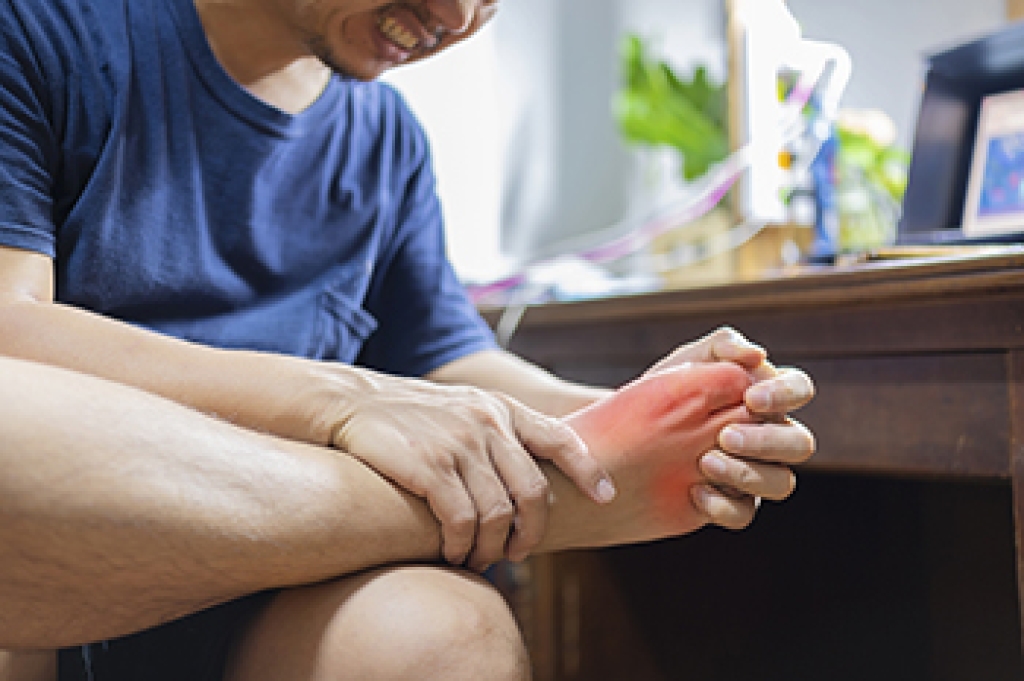
Gout is a type of arthritis caused by a buildup of uric acid in the bloodstream. It often develops in the foot, especially the big toe area, although it can manifest in other parts of the body as well. Gout can make walking and standing very painful and is especially common in diabetics and the obese.

People typically get gout because of a poor diet. Genetic predisposition is also a factor. The children of parents who have had gout frequently have a chance of developing it themselves.

Gout can easily be identified by redness and inflammation of the big toe and the surrounding areas of the foot. Other symptoms include extreme fatigue, joint pain, and running high fevers. Sometimes corticosteroid drugs can be prescribed to treat gout, but the best way to combat this disease is to get more exercise and eat a better diet.

If you have any questions, please feel free to contact our office located in Rogers and Berryville, AR . We offer the newest diagnostic and treatment technologies for all your foot care needs.
Read more about Everything You Need to Know About Gout

Foot Blister Care

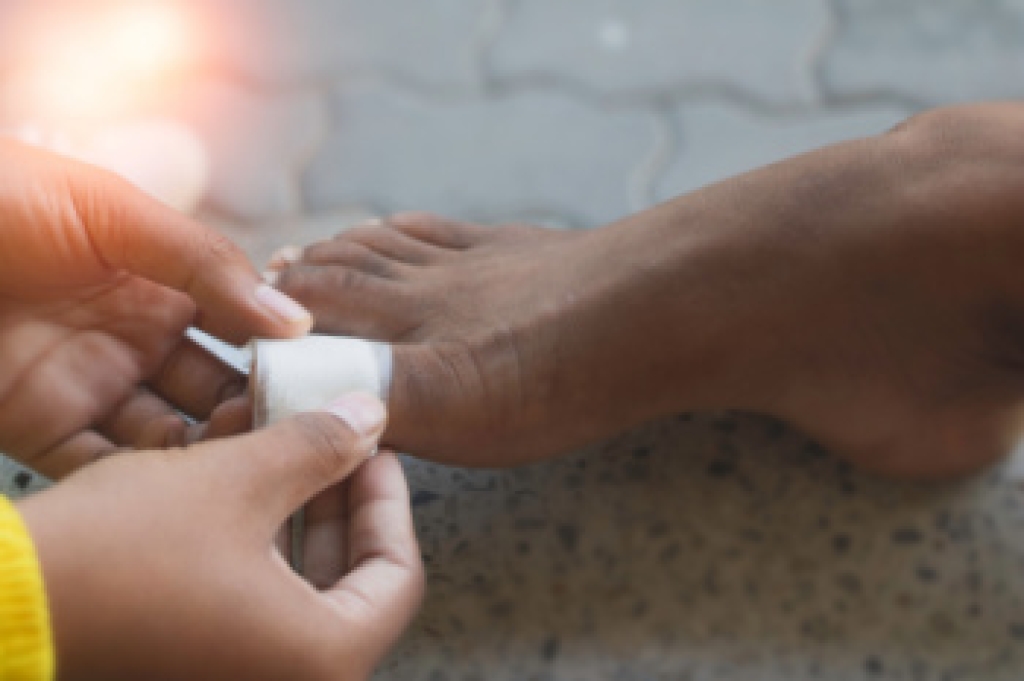
Foot blisters are caused by friction, excessive moisture, or from wearing ill-fitting shoes. While it may be tempting to pop them, it is best to let blisters heal naturally to prevent infection. To care for blisters at home, start by cleaning the area with mild soap and water. Apply an antiseptic and cover the blister with a sterile bandage or blister pad to protect it from further irritation. Keeping the blister dry is important for faster healing. Wear moisture-wicking socks and properly fitting shoes to reduce friction. If the blister is painful, cushion it with moleskin or a soft bandage to alleviate pressure. Avoid activities that exacerbate the blister, and allow your feet to rest and recover. If blisters do not heal, recur frequently, or cause significant pain, it is suggested that you consult a podiatrist who can provide professional care and address underlying issues.

Blisters are prone to making everyday activities extremely uncomfortable. If your feet are hurting, contact one of our podiatrists of Family Foot Health Center. Our doctors can provide the care you need to keep you pain-free and on your feet.

Foot Blisters

Foot blisters develop as a result of constantly wearing tight or ill-fitting footwear. This happens due to the constant rubbing from the shoe, which can often lead to pain.

What Are Foot Blisters?

A foot blister is a small fluid-filled pocket that forms on the upper-most layer of the skin. Blisters are filled with clear fluid and can lead to blood drainage or pus if the area becomes infected.

How Do Blisters Form?

Blisters on the feet are often the result of constant friction of skin and material, usually by shoe rubbing. Walking in sandals, boots, or shoes that don’t fit properly for long periods of time can result in a blister. Having consistent foot moisture and humidity can easily lead to blister formation.

Prevention & Treatment

It is important to properly care for the affected area in order to prevent infection and ease the pain. Do not lance the blister and use a Band-Aid to provide pain relief. Also, be sure to keep your feet dry and wear proper fitting shoes. If you see blood or pus in a blister, seek assistance from a podiatrist.

If you have any questions, please feel free to contact our office located in Rogers and Berryville, AR . We offer the newest diagnostic and treatment technologies for all your foot care needs.

Read more about Blisters

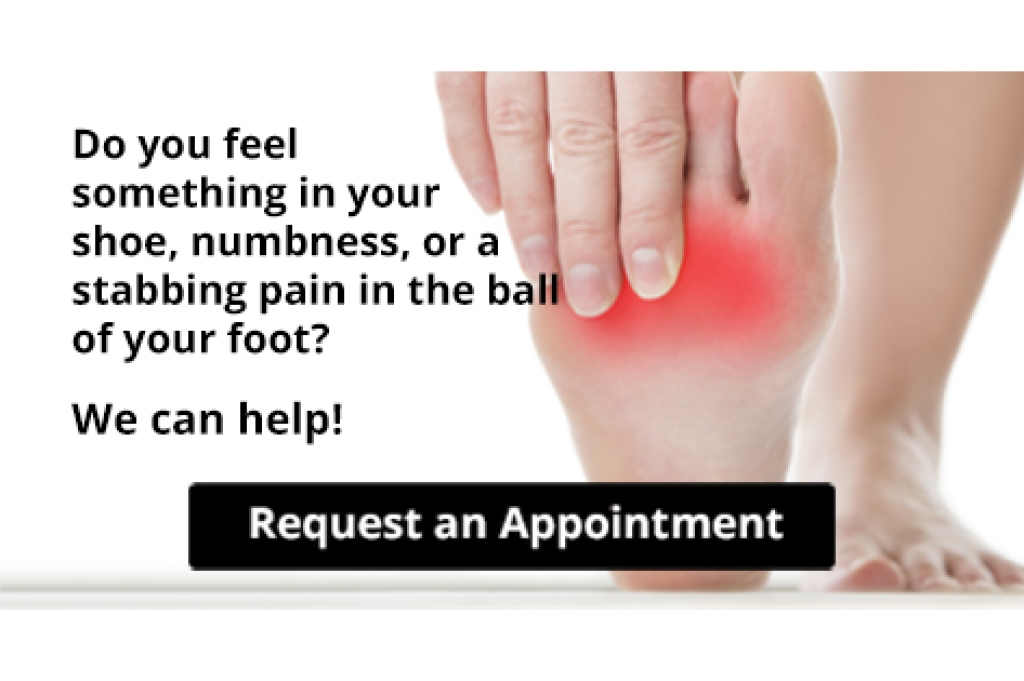
Why Live with Pain and Numbness in Your Feet?

Suffering from this type of pain? You may have the foot condition known as Morton's neuroma. Morton's neuroma may develop as a result of ill-fitting footwear and existing foot deformities. We can help.

Exercises That Can Help Seniors to Prevent Falling

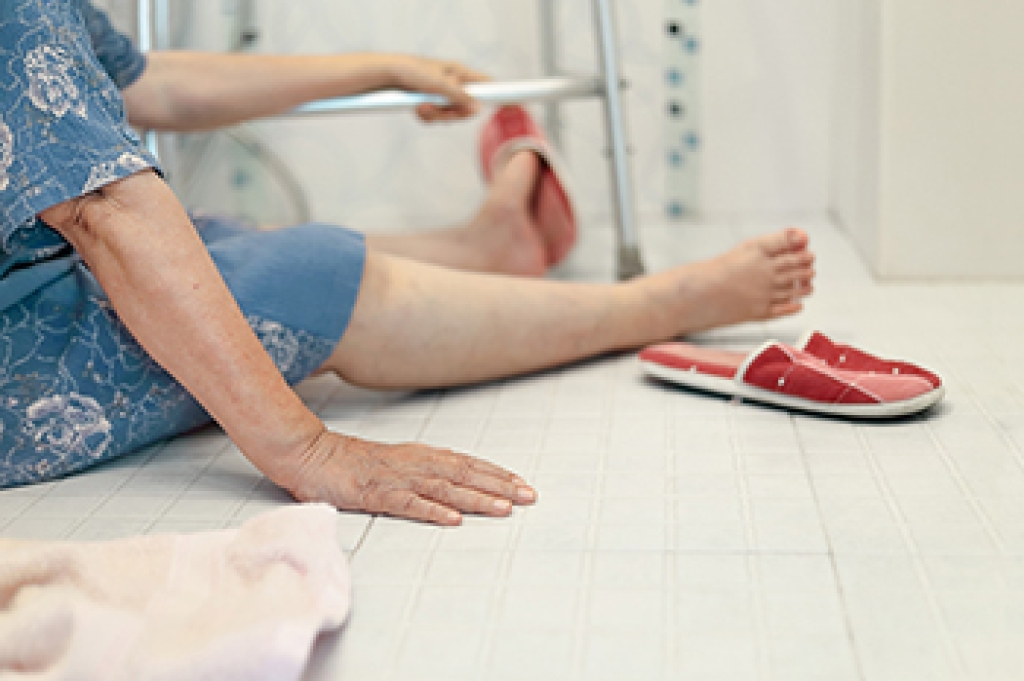
Falls are a significant concern for seniors, with someone aged 65 or older experiencing a fall every second. Falls are the leading cause of injury-related death in this age group. To help prevent falls, focusing on exercises that strengthen the feet and improve balance is essential. Strengthening the muscles in your feet can enhance stability and support. Simple exercises like toe curls, where you pick up small objects with your toes, can significantly improve foot strength. Another effective exercise is heel-to-toe walking, which enhances balance by promoting coordination and proprioception. Practicing ankle circles and calf raises can also improve flexibility and strength in the lower legs and feet. Incorporating balance exercises, such as standing on one leg or using a balance board, can further reduce the risk of falls by training your body to maintain stability. It is important to check with a podiatrist before undertaking a course of exercises related to falling. For guidance on methods to prevent falling, it is suggested that you schedule an appointment with a podiatrist for an exam, diagnosis, and treatment options.

Preventing falls among the elderly is very important. If you are older and have fallen or fear that you are prone to falling, consult with one of our podiatrists from Family Foot Health Center. Our doctors will assess your condition and provide you with quality advice and care.

Every 11 seconds, an elderly American is being treated in an emergency room for a fall related injury. Falls are the leading cause of head and hip injuries for those 65 and older. Due to decreases in strength, balance, senses, and lack of awareness, elderly persons are very susceptible to falling. Thankfully, there are a number of things older persons can do to prevent falls.

How to Prevent Falls

Some effective methods that older persons can do to prevent falls include:

  • Enrolling in strength and balance exercise program to increase balance and strength
  • Periodically having your sight and hearing checked
  • Discuss any medications you have with a doctor to see if it increases the risk of falling
  • Clearing the house of falling hazards and installing devices like grab bars and railings
  • Utilizing a walker or cane
  • Wearing shoes that provide good support and cushioning
  • Talking to family members about falling and increasing awareness

Falling can be a traumatic and embarrassing experience for elderly persons; this can make them less willing to leave the house, and less willing to talk to someone about their fears of falling. Doing such things, however, will increase the likelihood of tripping or losing one’s balance. Knowing the causes of falling and how to prevent them is the best way to mitigate the risk of serious injury.  

If you have any questions, please feel free to contact our office located in Rogers and Berryville, AR . We offer the newest diagnostic and treatment technologies for all your foot care needs.

Read more about Falls Prevention

When Should Babies Start Wearing Shoes?

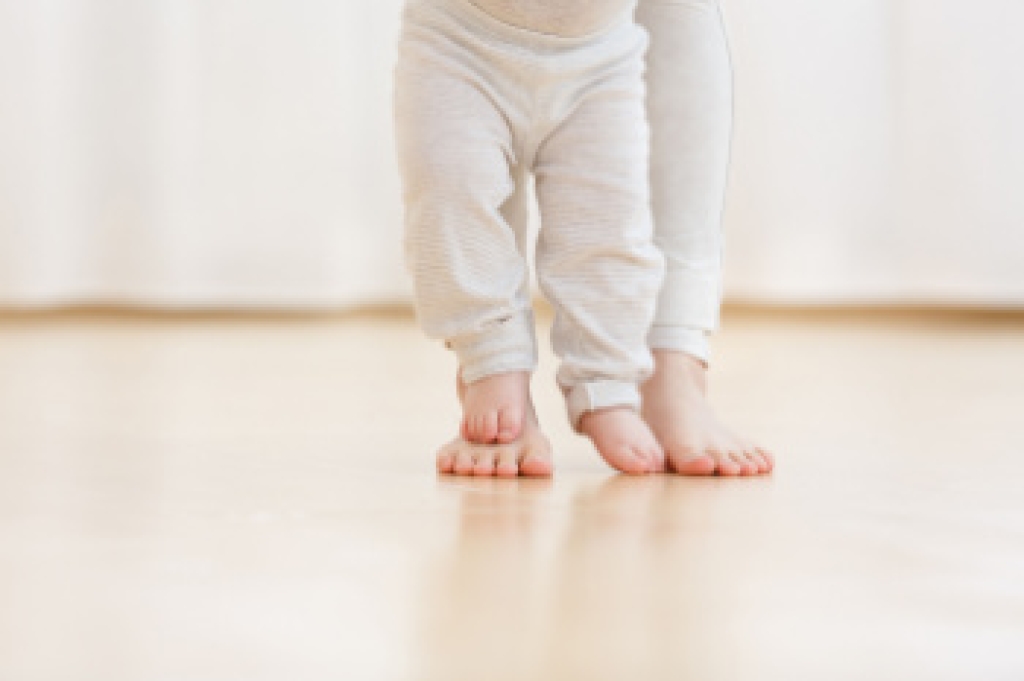
Babies do not need shoes until they begin walking outdoors. Until then, crawling or walking barefoot and wearing socks can help the feet to grow and strengthen naturally. Putting shoes on too early can impede proper foot development while restricting movement and growth. When the time is right to choose baby shoes, opt for soft, flexible soles that mimic natural foot motion, allowing toes to grip and flex. Ensure a wide toe box for ample space and breathable materials for comfort. Proper fit is essential, as shoes should be neither too tight nor too loose to prevent blisters and ensure stability. Regularly check for signs of wear and outgrowth to maintain the best support. If you notice any abnormalities concerning your child’s feet, it is suggested that you consult a podiatrist who can treat any foot condition and guide you on proper shoe selection.

Making sure that your children maintain good foot health is very important as they grow. If you have any questions, contact one of our podiatrists of Family Foot Health Center. Our doctors can provide the care you need to keep you pain-free and on your feet.

Keeping Children's Feet Healthy

Having healthy feet during childhood can help prevent medical problems later in life, namely in the back and legs. As children grow, their feet require different types of care. Here are some things to consider...

Although babies do not walk yet, it is still very important to take care of their feet.

Avoid putting tight shoes or socks on his or her feet.

Allow the baby to stretch and kick his or her feet to feel comfortable.

As a toddler, kids are now on the move and begin to develop differently. At this age, toddlers are getting a feel for walking, so don’t be alarmed if your toddler is unsteady or ‘walks funny’. 

As your child gets older, it is important to teach them how to take care of their feet.

Show them proper hygiene to prevent infections such as fungus.

Be watchful for any pain or injury.

Have all injuries checked by a doctor as soon as possible.

Comfortable, protective shoes should always be worn, especially at play.

If you have any questions, please feel free to contact our office located in Rogers and Berryville, AR . We offer the newest diagnostic and treatment technologies for all your foot care needs.

Read more about How to Care for Your Child's Feet