
Why Does My Toe Hurt?

Toe pain can be the result of an injury. A broken toe can cause toe pain and may affect the skin, nerves, and blood vessels. Toe pain may also cause a burning sensation or it may feel numb. Ingrown toenails, bunions, and arthritis are leading causes of toe pain, and some of these conditions may lead to getting an infection if prompt medical attention is not received. Additionally, the foot condition known as hammertoe may cause toe pain which may happen from calluses that form on top of the deformed joints. Gout can be a debilitating foot condition characterized by intense pain in the joints of the big toe. Gout can occur due to excess uric acid in the blood, which converts to crystals and affects the big toe. If you have toe pain for any reason, it is suggested that you consult with a podiatrist who can pinpoint the cause and offer you the correct treatment solutions.

Toe pain can disrupt your daily activities. If you have any concerns, contact one of our podiatrists of Family Foot Health Center. Our doctors can provide the care you need to keep you pain-free and on your feet.

What Causes Toe Pain?

Most severe toe pain is caused due to a sports injury, trauma from dropping something heavy on the toe, or bumping into something rigid. Other problems can develop over time for various reasons.

Toe pain can be caused by one or more ailments. The most common include:

  • Trauma
  • Sports injury
  • Wearing shoes that are too tight
  • Arthritis
  • Gout
  • Corns and calluses
  • Hammertoe
  • Bunions
  • Blisters
  • Ingrown toenails
  • Sprains
  • Fractures (broken bones)
  • Dislocations

When to See a Podiatrist

  • Severe pain
  • Persistent pain that lasts more than a week
  • Signs of infection
  • Continued swelling
  • Pain that prevents walking

Diagnosis

In many cases the cause of toe pain is obvious, but in others, a podiatrist may want to use more advanced methods to determine the problem. These can range from simple visual inspections and sensation tests to X-rays and MRI scans. Prior medical history, family medical history, and any recent physical traumatic events will all be taken into consideration for a proper diagnosis.

Treatment

Treatments for toe pain and injuries vary and may include shoe inserts, padding, taping, medicines, injections, and in some cases, surgery. If you believe that you have broken a toe, please see a podiatrist as soon as possible.

If you have any questions please contact our office located in Rogers and Berryville, AR . We offer the newest diagnostic and treatment technologies for all your foot and ankle needs.


Read more about Toe Pain

Flat Feet in Children

Babies are born with flat feet because their bones and joints are flexible until their teenage years. Babies also have a fat pad on the inner border of their feet that hides the arch when standing. Flat feet in kids typically does not require medical treatment because arches will usually develop normally before adulthood. Even if arches do not develop, treatment is not recommended unless the foot feels stiff or causes pain. If such symptoms do occur, it is suggested that a podiatrist be seen for an evaluation and any recommended management for the problem.

The health of a child’s feet is vital to their overall well-being. If you have any questions regarding foot health, contact one of our podiatrists of Family Foot Health Center. Our doctors can provide the care you need to keep you pain-free and on your feet.

Tips for Keeping Children's Feet Healthy

  • Make sure their shoes fit properly
  • Look for any signs of in-toeing or out-toeing
  • Check to see if they have Clubfoot (condition that affects your child’s foot and ankle, twisting the heel and toes inward) which is one of the most common nonmajor birth defects.
  • Lightly cover your baby’s feet (Tight covers may keep your baby from moving their feet freely, and could prevent normal development)
  • Allow your toddler to go shoeless (Shoes can be restricting for a young child’s foot)
  • Cut toenails straight across to avoid ingrown toenails
  • Keep your child’s foot clean and dry
  • Cover cuts and scrapes. Wash any scratches with soap and water and cover them with a bandage until they’ve healed.

If you have any questions, please feel free to contact our office located in Rogers and Berryville, AR . We offer the newest diagnostic and treatment technologies for all your foot care needs.

Read more about What to Do to Keep Your Child’s Feet Healthy

Broken Ankles and Casts

A broken ankle is characterized by one or more broken bones comprising the ankle joint. As a result of a broken ankle, an individual can experience pain and swelling. To treat a broken ankle, an individual can take a variety of steps in consultation with a trusted medical professional, such as a podiatrist. If one is suffering from a broken ankle, for example, the application of a special cast or boot might be beneficial to the patient. The purpose of using a special cast or boot is to essentially restrict the movement of a broken ankle. If treated properly, a broken ankle may take four to six weeks to heal. If you are someone that is suffering from a broken ankle, it is suggested that you contact a podiatrist today. 

Broken ankles need immediate treatment. If you are seeking treatment, contact one of our podiatrists from Family Foot Health Center. Our doctors can provide the care you need to keep you pain-free and on your feet. 

Broken Ankles
A broken ankle is experienced when a person fractures their tibia or fibula in the lower leg and ankle area. Both of these bones are attached at the bottom of the leg and combine to form what we know to be our ankle.

When a physician is referring to a break of the ankle, he or she is usually referring to a break in the area where the tibia and fibula are joined to create our ankle joint. Ankles are more prone to fractures because the ankle is an area that suffers a lot of pressure and stress. There are some obvious signs when a person experiences a fractured ankle, and the following symptoms may be present.

Symptoms of a Fractured Ankle

  • Excessive pain when the area is touched or when any pressure is placed on the ankle
  • Swelling around the area
  • Bruising of the area
  • Area appears to be deformed

If you suspect an ankle fracture, it is recommended to seek treatment as soon as possible. The sooner you have your podiatrist diagnose the fracture, the quicker you’ll be on the way towards recovery.

If you have any questions, please feel free to contact our office located in Rogers and Berryville, AR . We offer the newest diagnostic and treatment technologies for all your foot care needs.

Read more about All About Broken Ankles

Stress Fracture Risk Factors

A stress fracture in the foot essentially occurs when microdamage accumulates and the bones develop small breaks. If you are an athlete or a runner, then you might be particularly interested in preventing the onset of a stress fracture in the foot. There are certain factors that might put athletes at an increased risk of developing stress fractures of some kind. For example, if an athlete has a particularly high running mileage or especially if they are wearing inappropriate footwear, then a stress fracture might be more likely.  Also, other risk factors for runners and athletes include training errors and leg length discrepancies. If you are someone that runs frequently and are concerned about developing a stress fracture, it is suggested that you contact a podiatrist. 

Activities where too much pressure is put on the feet can cause stress fractures. To learn more, contact one of our podiatrists from Family Foot Health Center. Our doctors can provide the care you need to keep your pain free and on your feet.

Dealing with Stress Fractures of the Foot and Ankle

Stress fractures occur in the foot and ankle when muscles in these areas weaken from too much or too little use.  The feet and ankles then lose support when walking or running from the impact of the ground. Since there is no protection, the bones receive the full impact of each step. Stress on the feet can cause cracks to form in the bones, thus creating stress fractures.

What Are Stress Fractures?

Stress fractures occur frequently in individuals whose daily activities cause great impact on the feet and ankles. Stress factors are most common among:

  • Runners                                
  • People affected with Osteoporosis
  • Tennis or basketball players
  • Gymnasts
  • High impact workouts

Symptoms

Pain from the fractures occur in the area of the fractures and can be constant or intermittent. It will often cause sharp or dull pain with swelling and tenderness. Engaging in any kind of activity which involves high impact will aggravate pain.

If you have any questions please contact our office located in Rogers and Berryville, AR . We offer the newest diagnostic and treatment technologies for all your foot and ankle needs.
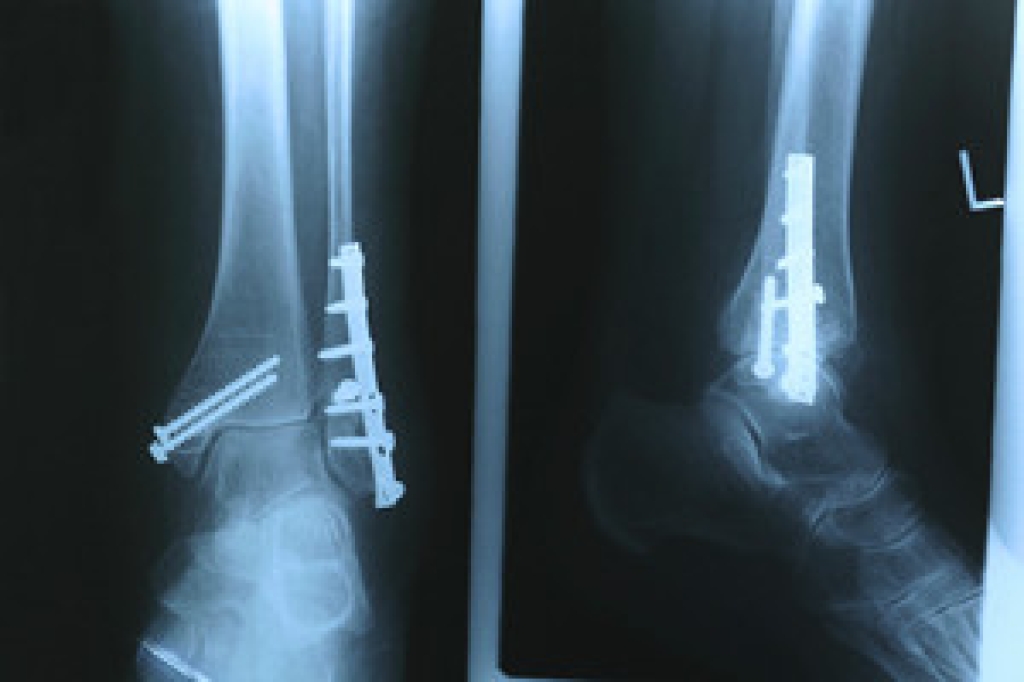
Read more about Stress Fractures of the Foot and Ankle

Ankle Fracture? Don’t Wait for Treatment

If you're suffering from an ankle fracture, professional attention shouldn't wait. Fractures may worsen over time and can make completing everyday activities incredibly difficult. See your specialist for treatment and guidance through the healing process.