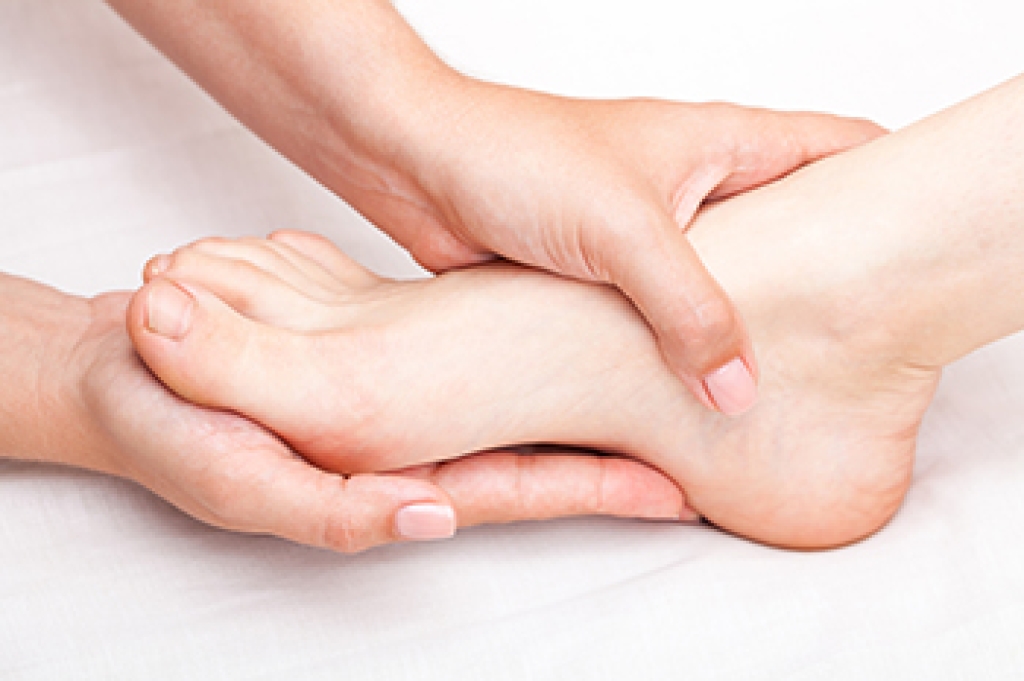
Stress Fractures Can Happen in Different Parts of the Foot

A stress fracture of the foot can wreak havoc on completing daily activities. It is considered to be a hairline fracture and occurs as a result of overuse from frequently running. The pain from a stress fracture may begin as achiness, and many avid runners tend to ignore this. This can gradually develop into having severe pain, which may force the patient to temporarily cease the offending activity. Stress fractures of the foot are divided into four categories. A metatarsal stress fracture, considered to be the most common, happens in the second metatarsal. Additionally, stress fractures may occur in the heel, sesamoid, and navicular bones, all of which cause pain and discomfort. Stress fractures may also happen from increasing speed and distance too quickly, or running on uneven surfaces. After a diagnosis is performed, which typically involves having an X-ray or other imaging test taken, proper treatment can begin. If you feel you have a stress fracture, it is strongly advised that you speak with a podiatrist who can fit you with a protective boot, and prescribe custom-made orthotics, if necessary.

Activities where too much pressure is put on the feet can cause stress fractures. To learn more, contact one of our podiatrists from Family Foot Health Center. Our doctors can provide the care you need to keep your pain free and on your feet.

Dealing with Stress Fractures of the Foot and Ankle

Stress fractures occur in the foot and ankle when muscles in these areas weaken from too much or too little use.  The feet and ankles then lose support when walking or running from the impact of the ground. Since there is no protection, the bones receive the full impact of each step. Stress on the feet can cause cracks to form in the bones, thus creating stress fractures.

What Are Stress Fractures?

Stress fractures occur frequently in individuals whose daily activities cause great impact on the feet and ankles. Stress factors are most common among:

  • Runners                                
  • People affected with Osteoporosis
  • Tennis or basketball players
  • Gymnasts
  • High impact workouts

Symptoms

Pain from the fractures occur in the area of the fractures and can be constant or intermittent. It will often cause sharp or dull pain with swelling and tenderness. Engaging in any kind of activity which involves high impact will aggravate pain.

If you have any questions please contact our office located in Rogers and Berryville, AR . We offer the newest diagnostic and treatment technologies for all your foot and ankle needs.
Read more about Dealing with Stress Fractures of the Foot and Ankle

What Can Cause Cuboid Syndrome?

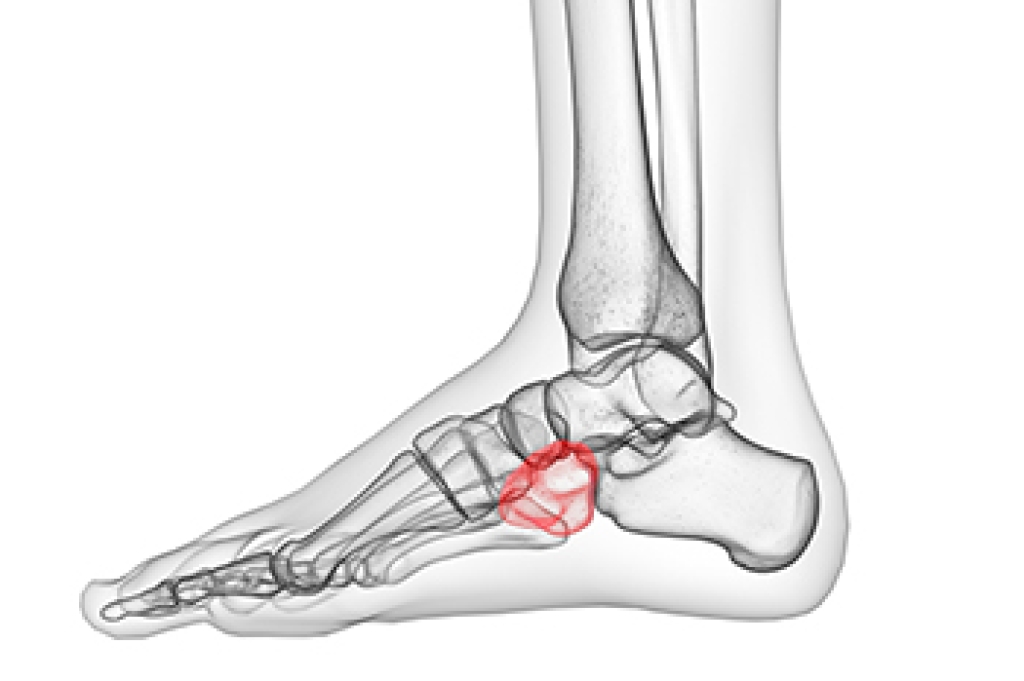
Patients who have pain on the outside of their feet may have developed cuboid syndrome. This condition can happen by incurring an injury that affects the cuboid bone. This bone is one of seven tarsal bones that connect to the toes and heel and contributes to a normal gait or walking style. Cuboid syndrome may be prevalent among runners and ballet dancers due to its repetitive impact. Additionally, it may occur in people who run on uneven surfaces or wear shoes that do not have adequate support. The common symptoms that are experienced can include ankle pain that is sudden or gradual, and the entire foot may be tender or sore. An X-ray can help rule out a fracture. Typically, the activity that caused the pain must be stopped and the affected foot should be elevated as often as possible. The healing process may be accelerated when non-impact exercises are performed as this can help strengthen the entire foot. If you have pain along the outside of your foot please consult a podiatrist who can determine if cuboid syndrome is the cause as well as provide effective treatment techniques.

Cuboid syndrome, also known as cuboid subluxation, occurs when the joints and ligaments near the cuboid bone in the foot become torn. If you have cuboid syndrome, consult with one of our podiatrists from Family Foot Health Center. Our doctors will assess your condition and provide you with quality foot and ankle treatment.

Cuboid syndrome is a common cause of lateral foot pain, which is pain on the outside of the foot. The condition may happen suddenly due to an ankle sprain, or it may develop slowly overtime from repetitive tension through the bone and surrounding structures.

Causes

The most common causes of cuboid syndrome include:

  • Injury – The most common cause of this ailment is an ankle sprain.
  • Repetitive Strain – Tension placed through the peroneus longus muscle from repetitive activities such as jumping and running may cause excessive traction on the bone causing it to sublux.
  • Altered Foot Biomechanics – Most people suffering from cuboid subluxation have flat feet.

Symptoms

A common symptom of cuboid syndrome is pain along the outside of the foot which can be felt in the ankle and toes. This pain may create walking difficulties and may cause those with the condition to walk with a limp.

Diagnosis

Diagnosis of cuboid syndrome is often difficult, and it is often misdiagnosed. X-rays, MRIs and CT scans often fail to properly show the cuboid subluxation. Although there isn’t a specific test used to diagnose cuboid syndrome, your podiatrist will usually check if pain is felt while pressing firmly on the cuboid bone of your foot.

Treatment

Just as the range of causes varies widely, so do treatments. Some more common treatments are ice therapy, rest, exercise, taping, and orthotics.

If you have any questions, please feel free to contact our office located in Rogers and Berryville, AR . We offer the newest diagnostic and treatment technologies for all your foot care needs.

Read more about Cuboid Syndrome

What Does Athlete’s Foot Look Like?

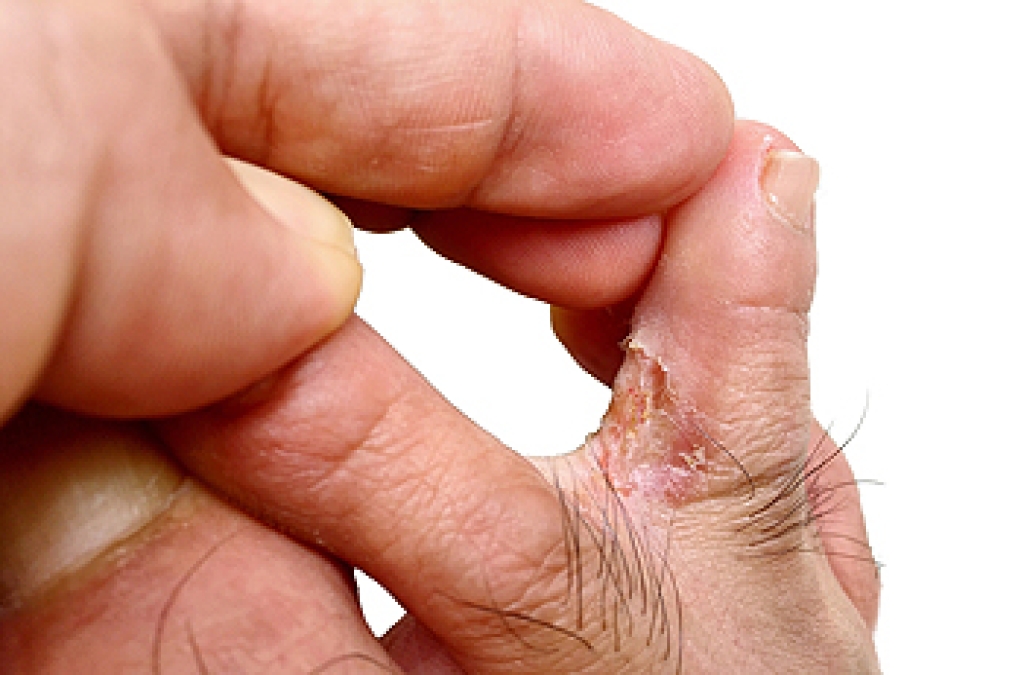
Athlete’s foot is a fairly well-known foot condition that occurs when a fungal infection is spread, often in warm and moist environments. As a result, the athlete’s foot rash can develop on the feet, especially in between the toes. The athlete’s foot rash is distinctive for many different reasons. First, the rash will usually be discolored with a red color. Additionally, the rash will also appear to be somewhat moist in texture. The rash may also be accompanied by a series of small blisters that can spread across the feet. The infection from athlete’s feet may also even extend beyond the toes on the feet, reaching the soles of the feet and the toenails. If you are someone that is interested in learning more about athlete’s foot or believe that you may have the condition yourself, contact a podiatrist today for more information. 

Athlete’s foot is an inconvenient condition that can be easily reduced with the proper treatment. If you have any concerns about your feet and ankles, contact one of our podiatrists from Family Foot Health Center.  Our doctors will treat your foot and ankle needs.

Athlete’s Foot: The Sole Story

Athlete's foot, also known as tinea pedis, can be an extremely contagious foot infection. It is commonly contracted in public changing areas and bathrooms, dormitory style living quarters, around locker rooms and public swimming pools, or anywhere your feet often come into contact with other people.

Solutions to Combat Athlete’s Foot

  • Hydrate your feet by using lotion
  • Exfoliate
  • Buff off nails
  • Use of anti-fungal products
  • Examine your feet and visit your doctor if any suspicious blisters or cuts develop

Athlete’s foot can cause many irritating symptoms such as dry and flaking skin, itching, and redness. Some more severe symptoms can include bleeding and cracked skin, intense itching and burning, and even pain when walking. In the worst cases, Athlete’s foot can cause blistering as well. Speak to your podiatrist for a better understanding of the different causes of Athlete’s foot, as well as help in determining which treatment options are best for you.

If you have any questions please feel free to contact our office located in Rogers and Berryville, AR . We offer the newest diagnostic and treatment technologies for all your foot and ankle needs.
Read more about Athlete’s Foot

Preventing Toe Jam

Many individuals often wonder what exactly toe jam is and how it is formed. Toe jam is a word given to describe the debris that can sometimes develop and accumulate over time in between the toes. Often, toe jam is composed of dead skin cells as well as lint from socks that are worn. Toe jam typically is not a serious or dangerous foot condition for many individuals. However, since it can cause an odor and might be potentially irritating, there are steps that you might consider taking to prevent toe jam from developing between the toes. One of the most important ways that one can prevent toe jam from developing is by regularly cleaning or washing the spaces in between the toes. This is particularly important if you are someone who is especially prone to sweating in the feet area. If you have any other concerns about toe jam, contact a podiatrist today.

If you have any concerns about your feet, contact one of our podiatrists from Family Foot Health Center. Our doctors can provide the care you need to keep you pain-free and on your feet.

Biomechanics in Podiatry

Podiatric biomechanics is a particular sector of specialty podiatry with licensed practitioners who are trained to diagnose and treat conditions affecting the foot, ankle and lower leg. Biomechanics deals with the forces that act against the body, causing an interference with the biological structures. It focuses on the movement of the ankle, the foot and the forces that interact with them.

A History of Biomechanics

  • Biomechanics dates back to the BC era in Egypt where evidence of professional foot care has been recorded.
  • In 1974, biomechanics gained a higher profile from the studies of Merton Root, who claimed that by changing or controlling the forces between the ankle and the foot, corrections or conditions could be implemented to gain strength and coordination in the area.

Modern technological improvements are based on past theories and therapeutic processes that provide a better understanding of podiatric concepts for biomechanics. Computers can provide accurate information about the forces and patterns of the feet and lower legs.

Understanding biomechanics of the feet can help improve and eliminate pain, stopping further stress to the foot.

If you have any questions please feel free to contact our office located in Rogers and Berryville, AR . We offer the newest diagnostic and treatment technologies for all your foot and ankle needs.

Read more about The Importance of Biomechanics in Podiatry

Safety Tips for Seniors Who Walk for Exercise

It is thought that as one ages, exercise becomes more beneficial to maintain a healthy body. One of the simplest ways to add exercise to your activity list is walking. It requires little in the way of equipment or special clothing, although proper footwear is important before starting. Walking paths and trails are prevalent in most areas. It is always a good idea to consult a doctor before undertaking any new exercise regimes. Walking may help build joint mobility and strength in the feet and ankles. It also helps with weight control, depression, and high blood pressure, experts say. Medical professionals suggest walking at a brisk pace for at least 15 minutes from three to five times a week for the best results. Safety tips include carrying a cell phone, going with a partner, and taking personal and medical identification with you. It also may be wise to use walking sticks to ensure that balance is maintained. It is a good idea to stop immediately if you feel breathless, have chest pain, or dizziness. For more information on the benefits and safety measures for walking, please consult a podiatrist.  

Proper foot care is something many older adults forget to consider. If you have any concerns about your feet and ankles, contact one of our podiatrists from Family Foot Health Center. Our doctors can provide the care you need to keep you pain-free and on your feet.

The Elderly and Their Feet

As we age we start to notice many changes in our body, but the elder population may not notice them right away. Medical conditions may prevent the elderly to take notice of their foot health right away. Poor vision is a lead contributor to not taking action for the elderly.

Common Conditions 

  • Neuropathy – can reduce feeling in the feet and can hide many life-threatening medical conditions.
  • Reduced flexibility – prevents the ability of proper toenail trimming, and foot cleaning. If left untreated, it may lead to further medical issues.
  • Foot sores – amongst the older population can be serious before they are discovered. Some of the problematic conditions they may face are:
  • Gouging toenails affecting nearby toe
  • Shoes that don’t fit properly
  • Pressure sores
  • Loss of circulation in legs & feet
  • Edema & swelling of feet and ankles

Susceptible Infections

Diabetes and poor circulation can cause general loss of sensitivity over the years, turning a simple cut into a serious issue.

If you have any questions, please feel free to contact our office located in Rogers and Berryville, AR . We offer the newest diagnostic and treatment technologies for all your foot care needs.

Read more about Elderly and their Feet