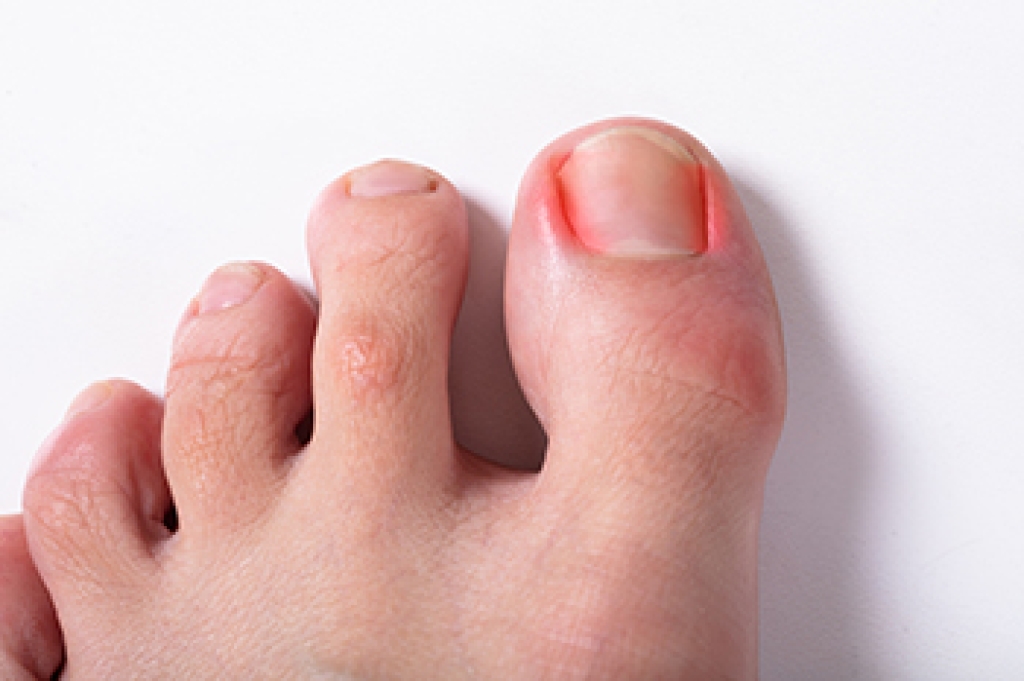
A Podiatrist’s Approach to Ingrown Toenails

When you have an ingrown toenail, it means that the edge of the nail is growing into the skin around it. A podiatrist, who is a foot doctor, has several approaches to treatment, which can range from conservative to surgical. A podiatrist may perform a nail-lifting procedure by using cotton or gauze to separate the nail edge from the skin. If the ingrown toenail keeps coming back or is severe, a podiatrist can also perform a small surgery. This usually involves removing a part of the nail and sometimes a bit of the skin around it to stop the nail from growing into the skin again. The podiatrist can make sure you're comfortable during the procedure by using local anesthetics. If you’re suffering from an ingrown toenail, it is suggested that you seek treatment with a podiatrist, who can both treat your toe and give you advice on how to prevent the problem from coming back.

Ingrown toenails can become painful if they are not treated properly. For more information about ingrown toenails, contact one of our podiatrists of Family Foot Health Center. Our doctors can provide the care you need to keep you pain-free and on your feet.

Ingrown Toenails

Ingrown toenails occur when a toenail grows sideways into the bed of the nail, causing pain, swelling, and possibly infection.

Causes

  • Bacterial infections
  • Improper nail cutting such as cutting it too short or not straight across
  • Trauma to the toe, such as stubbing, which causes the nail to grow back irregularly
  • Ill-fitting shoes that bunch the toes too close together
  • Genetic predisposition

Prevention

Because ingrown toenails are not something found outside of shoe-wearing cultures, going barefoot as often as possible will decrease the likeliness of developing ingrown toenails. Wearing proper fitting shoes and using proper cutting techniques will also help decrease your risk of developing ingrown toenails.

Treatment

Ingrown toenails are a very treatable foot condition. In minor cases, soaking the affected area in salt or antibacterial soaps will not only help with the ingrown nail itself, but also help prevent any infections from occurring. In more severe cases, surgery is an option. In either case, speaking to your podiatrist about this condition will help you get a better understanding of specific treatment options that are right for you.

If you have any questions, please feel free to contact our office located in Rogers and Berryville, AR . We offer the newest diagnostic and treatment technologies for all your foot care needs.
Read more about Ingrown Toenail Care

Plantar Warts Can Be Treated!

Plantar warts are small growths that develop on parts of the feet that bear weight. They're typically found on the bottom of the foot. Don't live with plantar warts, and call us today!

Sever’s Disease and How to Find Relief

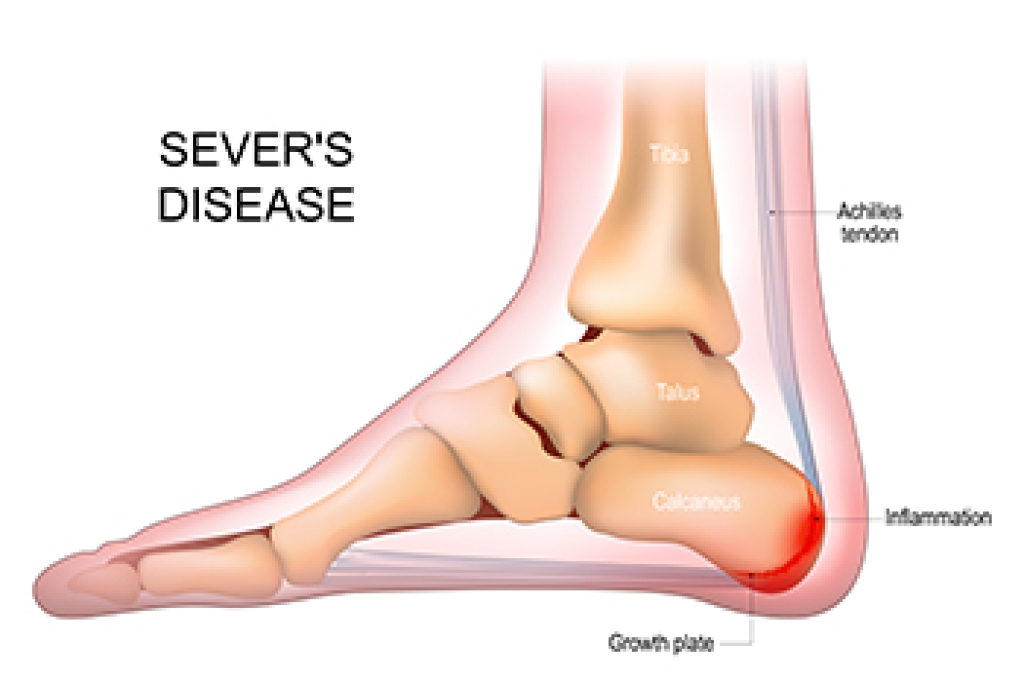
Sever’s disease, a common cause of heel pain in children, happens due to overuse. It is caused by repetitive strain on the heel bone's growth plate from the calf muscles pulling on the Achilles tendon. Risk factors can include flat feet, having tight muscles, running on hard surfaces, and wearing shoes that do not fit well. It typically occurs during bone growth years, between the ages of 7 to 15 years. Symptoms can include heel tenderness, tight calf muscles, and pain during activity. Diagnosis is based on history and examination, with some cases needing an MRI. Wearing custom-made orthotics and heel lifts may help patients to find relief, while severe cases may need a cast or boot. Complications are rare, and most patients recover in a few weeks to months, with a return to sports in two to eight weeks. If your child has heel pain, it is suggested that you schedule an appointment with a podiatrist for an accurate diagnosis and appropriate treatment.

Sever's disease often occurs in children and teens. If your child is experiencing foot or ankle pain, see one of our podiatrists from Family Foot Health Center. Our doctors can treat your child’s foot and ankle needs.

Sever’s Disease

Sever’s disease is also known as calcaneal apophysitis, which is a medical condition that causes heel pain I none or both feet. The disease is known to affect children between the ages of 8 and 14.

Sever’s disease occurs when part of the child’s heel known as the growth plate (calcaneal epiphysis) is attached to the Achilles tendon. This area can suffer injury when the muscles and tendons of the growing foot do not keep pace with bone growth. Therefore, the constant pain which one experiences at the back of the heel will make the child unable to put any weight on the heel. The child is then forced to walk on their toes.

Symptoms

Acute pain – Pain associated with Sever’s disease is usually felt in the heel when the child engages in physical activity such as walking, jumping and or running.

Highly active – Children who are very active are among the most susceptible in experiencing Sever’s disease, because of the stress and tension placed on their feet.

If you have any questions, please feel free to contact our office located in Rogers and Berryville, AR . We offer the newest diagnostic and treatment technologies for all your foot care needs.
Read more about Sever's Disease

Managing Gout Attacks That Affect the Toes

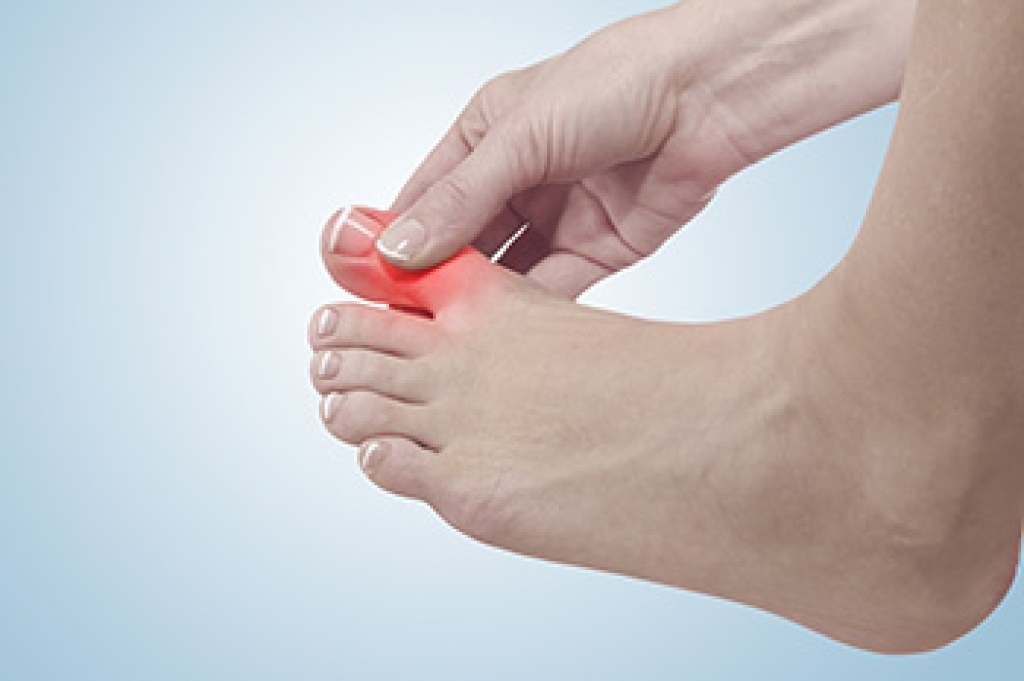
Gout is a form of arthritis that often leads to sudden pain and swelling in certain joints. Gout attacks commonly affect the big toe, as well as other joints like ankles, knees, and wrists. During an attack that affects the toes, resting and elevating the foot can help manage the pain. Staying hydrated and avoiding foods high in purines, including certain meats and seafood, may reduce the risk of future flare-ups. Incorporating certain low-impact exercise can also help combat gout attacks, but it is to be avoided during painful flare-ups. Other treatment options, which a podiatrist may recommend, include medication, cortisone injections, or surgery for more severe cases. If you are experiencing painful gout attacks in the toe joints, it is suggested that you consult a podiatrist who can offer personalized treatment options. 

Gout is a painful condition that can be treated. If you are seeking treatment, contact one of our podiatrists from Family Foot Health Center. Our doctors will treat your foot and ankle needs.

What Is Gout?

Gout is a form of arthritis that is characterized by sudden, severe attacks of pain, redness, and tenderness in the joints. The condition usually affects the joint at the base of the big toe. A gout attack can occur at any random time, such as the middle of the night while you are asleep.

Symptoms

  • Intense Joint Pain - Usually around the large joint of your big toe, and it most severe within the first four to twelve hours
  • Lingering Discomfort - Joint discomfort may last from a few days to a few weeks
  • Inflammation and Redness -Affected joints may become swollen, tender, warm and red
  • Limited Range of Motion - May experience a decrease in joint mobility

Risk Factors

  • Genetics - If family members have gout, you’re more likely to have it
  • Medications - Diuretic medications can raise uric acid levels
  • Gender/Age - Gout is more common in men until the age of 60. It is believed that estrogen protects women until that point
  • Diet - Eating red meat and shellfish increases your risk
  • Alcohol - Having more than two alcoholic drinks per day increases your risk
  • Obesity - Obese people are at a higher risk for gout

Prior to visiting your podiatrist to receive treatment for gout, there are a few things you should do beforehand. If you have gout you should write down your symptoms--including when they started and how often you experience them, important medical information you may have, and any questions you may have. Writing down these three things will help your podiatrist in assessing your specific situation so that he or she may provide the best route of treatment for you.

If you have any questions, please feel free to contact our office located in Rogers and Berryville, AR . We offer the newest diagnostic and treatment technologies for all your foot care needs.
Read more about Gout

Closed Reduction Repair for Broken Toes

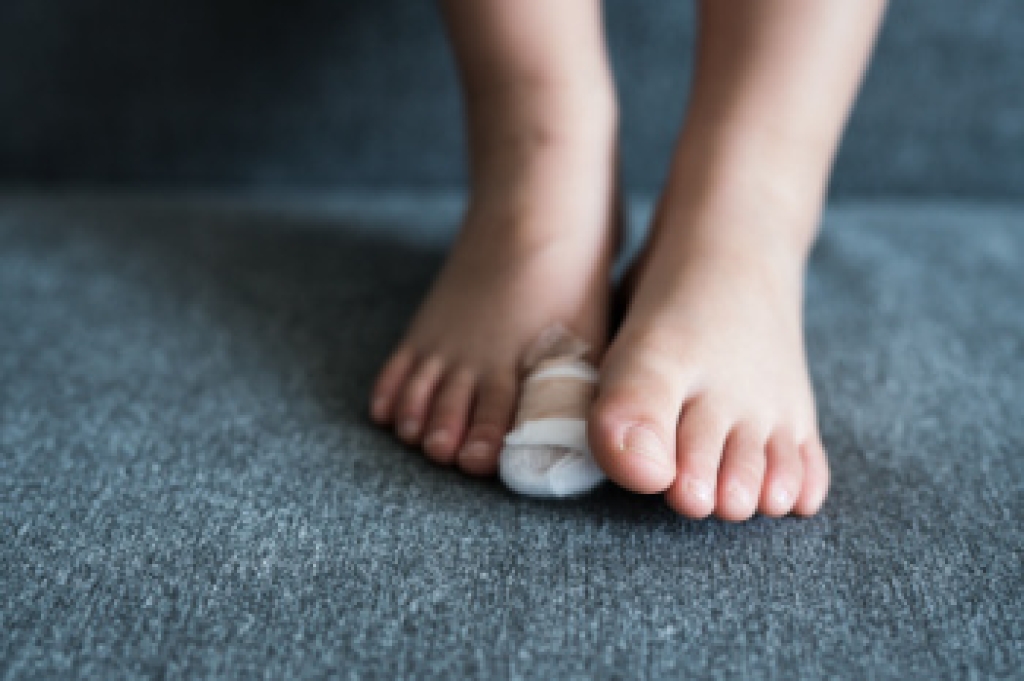
Closed reduction repair is a common procedure used to realign and stabilize broken toes, providing relief and facilitating healing. When a toe sustains a fracture, whether due to trauma, impact, or repetitive stress, it can cause pain, swelling, and limited mobility. Closed reduction involves manipulating the broken bone fragments back into their proper alignment without the need for surgery. During the procedure, a podiatrist carefully applies manual pressure and manipulation to return the fractured bones to their correct position. Following successful realignment, the toe is immobilized using a splint, tape, or buddy taping technique to maintain stability and support during the healing process. Closed reduction repair offers several benefits, including reduced risk of infection, minimal scarring, and faster recovery compared to surgical interventions. However, it is essential to follow post-procedure instructions carefully, including rest and elevation to promote optimal healing and prevent complications. If you have endured a broken toe, it is suggested that you consult a podiatrist who can determine if this is a correct treatment method for you.

A broken toe can be very painful and lead to complications if not properly fixed. If you have any concerns about your feet, contact one of our podiatrists from Family Foot Health Center. Our doctors will treat your foot and ankle needs.

What to Know About a Broken Toe

Although most people try to avoid foot trauma such as banging, stubbing, or dropping heavy objects on their feet, the unfortunate fact is that it is a common occurrence. Given the fact that toes are positioned in front of the feet, they typically sustain the brunt of such trauma. When trauma occurs to a toe, the result can be a painful break (fracture).

Symptoms of a Broken Toe

  • Throbbing pain
  • Swelling
  • Bruising on the skin and toenail
  • The inability to move the toe
  • Toe appears crooked or disfigured
  • Tingling or numbness in the toe

Generally, it is best to stay off of the injured toe with the affected foot elevated.

Severe toe fractures may be treated with a splint, cast, and in some cases, minor surgery. Due to its position and the pressure it endures with daily activity, future complications can occur if the big toe is not properly treated.

If you have any questions, please feel free to contact our office located in Rogers and Berryville, AR . We offer the newest diagnostic and treatment technologies for all your foot care needs.

Read more about What to Know About a Broken Toe