Facts About Achilles Tendonitis

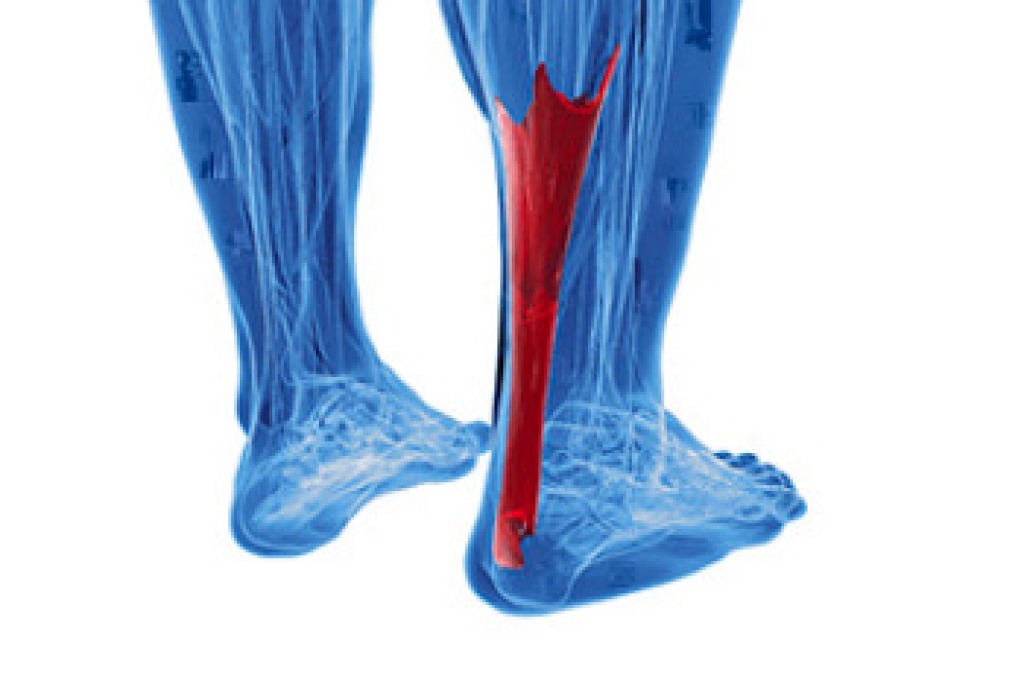
The Achilles tendon, the longest tendon in the body, connects the leg muscles with the heel. It allows you to walk, run, and jump. When the tendon becomes aggravated or inflamed, the condition is known as Achilles tendonitis. There are two types of Achilles tendonitis, insertional and non insertional. Insertional Achilles tendonitis affects the lower portion of the heel and can happen to anyone, whether they are active or not. Noninsertional Achilles tendonitis is more typical among athletes and affects the middle portion of the tendon. The pain, caused by overstressing or overworking the tendon, is generally set off by a sudden change in the intensity of movement. Tight calf muscles and lack of flexibility, which may be brought on by aging, are other common factors. Overuse, often experienced by runners who increase speed, distance, or frequency too quickly, can bring on Achilles tendonitis. Heel pain is the main symptom felt by sufferers of this condition. To find out whether you have Achilles tendonitis, it is suggested that you make an appointment with a podiatrist.

Achilles tendon injuries need immediate attention to avoid future complications. If you have any concerns, contact one of our podiatrists of Family Foot Health Center. Our doctors can provide the care you need to keep you pain-free and on your feet.

What Is the Achilles Tendon?

The Achilles tendon is a tendon that connects the lower leg muscles and calf to the heel of the foot. It is the strongest tendon in the human body and is essential for making movement possible. Because this tendon is such an integral part of the body, any injuries to it can create immense difficulties and should immediately be presented to a doctor.

What Are the Symptoms of an Achilles Tendon Injury?

There are various types of injuries that can affect the Achilles tendon. The two most common injuries are Achilles tendinitis and ruptures of the tendon.

Achilles Tendinitis Symptoms

  • Inflammation
  • Dull to severe pain
  • Increased blood flow to the tendon
  • Thickening of the tendon

Rupture Symptoms

  • Extreme pain and swelling in the foot
  • Total immobility

Treatment and Prevention

Achilles tendon injuries are diagnosed by a thorough physical evaluation, which can include an MRI. Treatment involves rest, physical therapy, and in some cases, surgery. However, various preventative measures can be taken to avoid these injuries, such as:

  • Thorough stretching of the tendon before and after exercise
  • Strengthening exercises like calf raises, squats, leg curls, leg extensions, leg raises, lunges, and leg presses

If you have any questions please feel free to contact our office located in Rogers and Berryville, AR . We offer the newest diagnostic tools and technology to treat your foot and ankle needs.

Read more about What are Achilles Tendon Injuries

Athlete's Foot in Swimmers

Athlete's foot is a particular kind of fungal infection that impacts the feet. When an individual has athlete’s foot, they may experience redness and flakiness at the site of infection, which is typically between the toes. Some groups of people might be more susceptible to athlete’s foot than others. For example, swimmers are one such group of people. The fungus causing athlete’s foot thrives in warm, moist environments, like the sides of pools and in shower areas of locker rooms. Additionally, since many swimmers walk around pool sides barefoot, they can easily pick up the fungus that causes athlete’s foot. If you are a swimmer that is looking to prevent the onset of athlete's foot, it is highly suggested that you contact a podiatrist today for more information.

Athlete’s foot is an inconvenient condition that can be easily reduced with the proper treatment. If you have any concerns about your feet and ankles, contact one of our podiatrists from Family Foot Health Center.  Our doctors will treat your foot and ankle needs.

Athlete’s Foot: The Sole Story

Athlete's foot, also known as tinea pedis, can be an extremely contagious foot infection. It is commonly contracted in public changing areas and bathrooms, dormitory style living quarters, around locker rooms and public swimming pools, or anywhere your feet often come into contact with other people.

Solutions to Combat Athlete’s Foot

  • Hydrate your feet by using lotion
  • Exfoliate
  • Buff off nails
  • Use of anti-fungal products
  • Examine your feet and visit your doctor if any suspicious blisters or cuts develop

Athlete’s foot can cause many irritating symptoms such as dry and flaking skin, itching, and redness. Some more severe symptoms can include bleeding and cracked skin, intense itching and burning, and even pain when walking. In the worst cases, Athlete’s foot can cause blistering as well. Speak to your podiatrist for a better understanding of the different causes of Athlete’s foot, as well as help in determining which treatment options are best for you.

If you have any questions please feel free to contact our office located in Rogers and Berryville, AR . We offer the newest diagnostic and treatment technologies for all your foot and ankle needs.

Read more about Athlete's Foot

Do Heel Spurs Go Away?

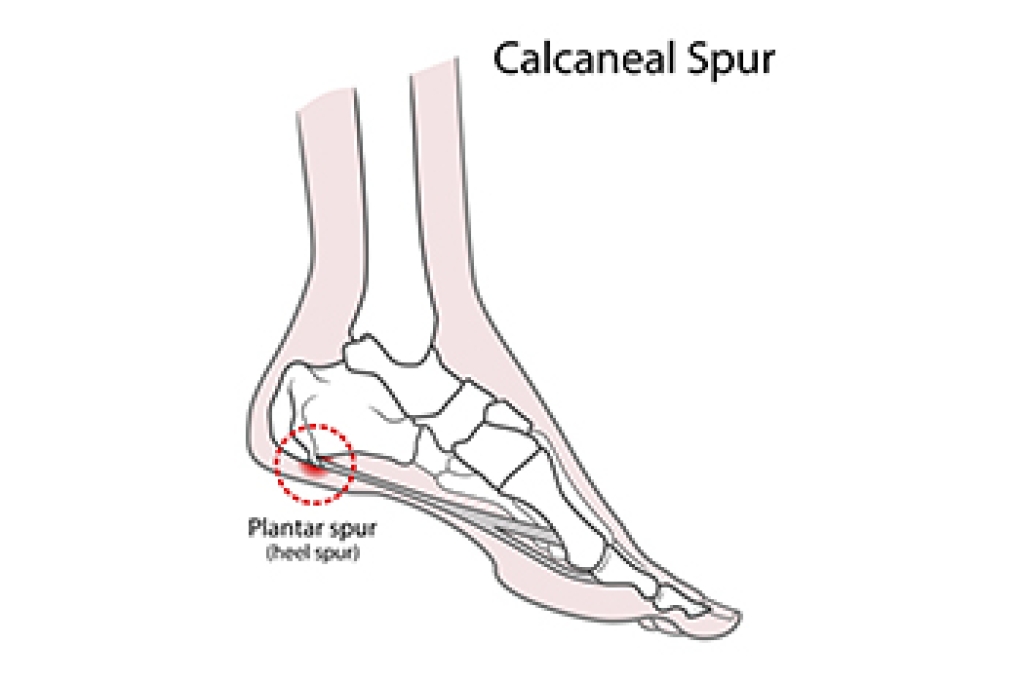
A heel spur is a bony growth that can develop on the underside of the foot. The heel spur is usually shaped like a hook and is often located near the heel bone. Many patients wonder whether or not heel spurs will go away naturally and without any treatment. The answer is typically a heel spur will not disappear without professional intervention. However, only a small percentage of all heel spur cases cause the patient pain. Someone wanting to have a heel spur removed can undergo a surgical procedure to achieve this end. If you are currently suffering from a heel spur, it is recommended that you contact a podiatrist today. This medical professional will help provide you with any treatment needed. 

Heel spurs can be incredibly painful and sometimes may make you unable to participate in physical activities. To get medical care for your heel spurs, contact one of our podiatrists from Family Foot Health Center. Our doctors will do everything possible to treat your condition.

Heels Spurs

Heel spurs are formed by calcium deposits on the back of the foot where the heel is. This can also be caused by small fragments of bone breaking off one section of the foot, attaching onto the back of the foot. Heel spurs can also be bone growth on the back of the foot and may grow in the direction of the arch of the foot.

Older individuals usually suffer from heel spurs and pain sometimes intensifies with age. One of the main condition's spurs are related to is plantar fasciitis.

Pain

The pain associated with spurs is often because of weight placed on the feet. When someone is walking, their entire weight is concentrated on the feet. Bone spurs then have the tendency to affect other bones and tissues around the foot. As the pain continues, the feet will become tender and sensitive over time.

Treatments

There are many ways to treat heel spurs. If one is suffering from heel spurs in conjunction with pain, there are several methods for healing. Medication, surgery, and herbal care are some options.

If you have any questions, please feel free to contact our office located in Rogers and Berryville, AR . We offer the newest diagnostic and treatment technologies for all your foot care needs.

Read more about Heel Spurs

Athlete's Foot and Pregnancy

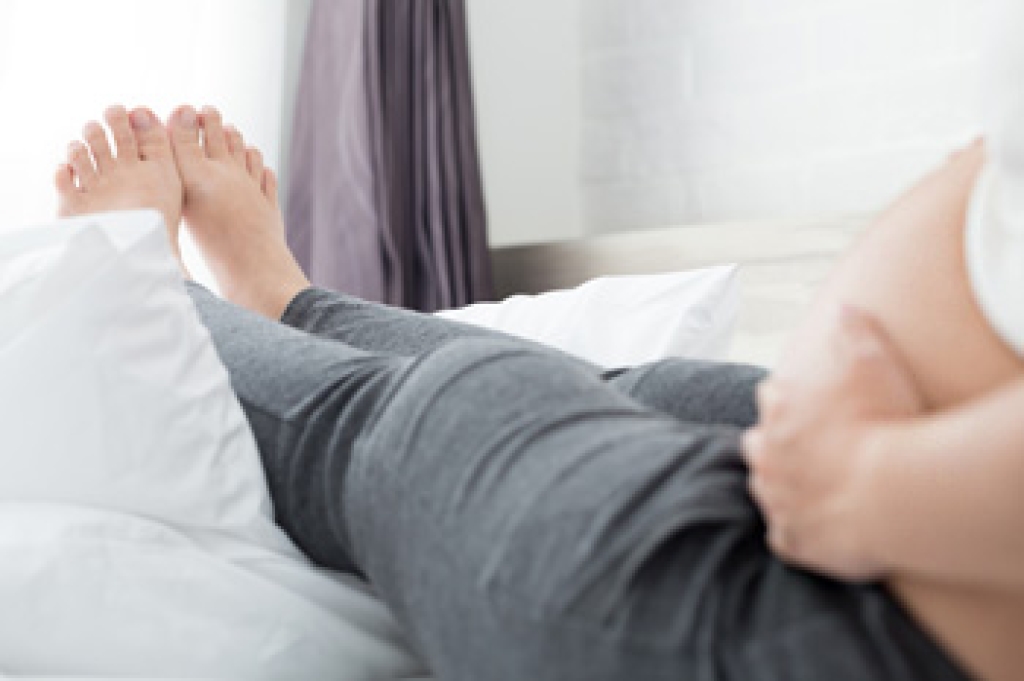
When a woman becomes pregnant, it can be especially important for them to maintain proper foot health. One condition that might occur during a woman’s pregnancy is known as athlete's foot. This particular condition of the foot may develop when a woman becomes pregnant because the pregnancy can often make a woman sweat profusely, causing the feet to become moist and susceptible to fungal infections. If you are a pregnant woman with athlete’s foot, your medical professional might advise you against using certain over-the-counter antifungal medications incompatible with pregnancies. If you are demonstrating any of the signs of athlete's foot, such as itching, redness, or flaking, then it is highly suggested that you contact a podiatrist today for immediate attention.

Pregnant women with swollen feet can be treated with a variety of different methods that are readily available. For more information about other cures for swollen feet during pregnancy, consult with one of our podiatrists from Family Foot Health Center. Our doctors will attend to all of your foot and ankle needs.

What Foot Problems Can Arise During Pregnancy?

One problem that can occur is overpronation, which occurs when the arch of the foot flattens and tends to roll inward.  This can cause pain and discomfort in your heels while you’re walking or even just standing up, trying to support your baby.  

Another problem is edema, or swelling in the extremities. This often affects the feet during pregnancy but tends to occur in the later stages. 

How Can I Keep My Feet Healthy During Pregnancy?

  • Wearing orthotics can provide extra support for the feet and help distribute weight evenly
  • Minimize the amount of time spent walking barefoot
  • Wear shoes with good arch support
  • Wear shoes that allow for good circulation to the feet
  • Elevate feet if you experience swelling
  • Massage your feet
  • Get regular, light exercise, such as walking, to promote blood circulation to the feet

If you have any questions, please feel free to contact our office located in Rogers and Berryville, AR . We offer the newest diagnostic and treatment technologies for all your foot care needs.

Read more about Pregnancy and Foot Health