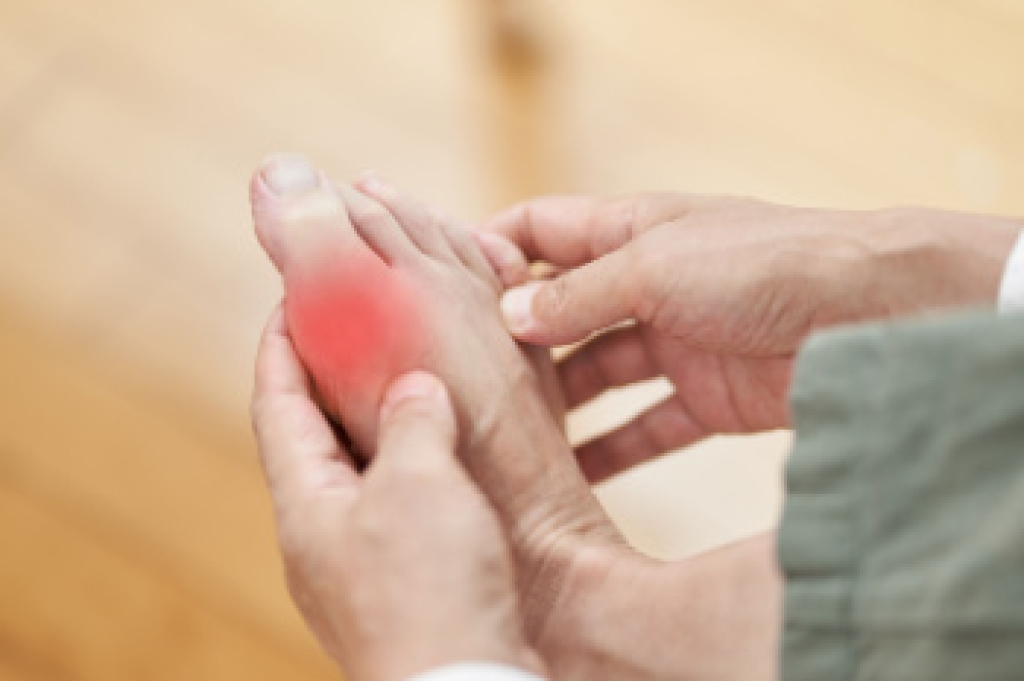
Important Things to Know About Gout in the Feet

Gout is a form of arthritis that often affects the joints in the feet, especially the big toe. It occurs when uric acid builds up in the blood and forms sharp crystals in the joints. This can cause sudden and severe pain, redness, and swelling that may last for several days. Gout flare-ups are often triggered by foods high in purines, such as red meat, shellfish, or alcohol. Dehydration, obesity, and certain medications may also increase the risk. Managing gout involves lifestyle changes like staying hydrated, maintaining a balanced diet, and limiting alcohol. Medications are sometimes needed to control uric acid levels and reduce inflammation. Ignoring gout can lead to lasting joint damage and decreased mobility. If you experience painful flare ups in your feet, it is suggested that you meet with a podiatrist for a proper diagnosis and appropriate treatment.

Gout is a painful condition that can be treated. If you are seeking treatment, contact one of our podiatrists from Family Foot Health Center. Our doctors will treat your foot and ankle needs.

What Is Gout?

Gout is a form of arthritis that is characterized by sudden, severe attacks of pain, redness, and tenderness in the joints. The condition usually affects the joint at the base of the big toe. A gout attack can occur at any random time, such as the middle of the night while you are asleep.

Symptoms

  • Intense Joint Pain - Usually around the large joint of your big toe, and it most severe within the first four to twelve hours
  • Lingering Discomfort - Joint discomfort may last from a few days to a few weeks
  • Inflammation and Redness -Affected joints may become swollen, tender, warm and red
  • Limited Range of Motion - May experience a decrease in joint mobility

Risk Factors

  • Genetics - If family members have gout, you’re more likely to have it
  • Medications - Diuretic medications can raise uric acid levels
  • Gender/Age - Gout is more common in men until the age of 60. It is believed that estrogen protects women until that point
  • Diet - Eating red meat and shellfish increases your risk
  • Alcohol - Having more than two alcoholic drinks per day increases your risk
  • Obesity - Obese people are at a higher risk for gout

Prior to visiting your podiatrist to receive treatment for gout, there are a few things you should do beforehand. If you have gout you should write down your symptoms--including when they started and how often you experience them, important medical information you may have, and any questions you may have. Writing down these three things will help your podiatrist in assessing your specific situation so that he or she may provide the best route of treatment for you.

If you have any questions, please feel free to contact our office located in Rogers and Berryville, AR . We offer the newest diagnostic and treatment technologies for all your foot care needs.
Read more about Gout

Off-Loading Devices and Diabetic Foot Care

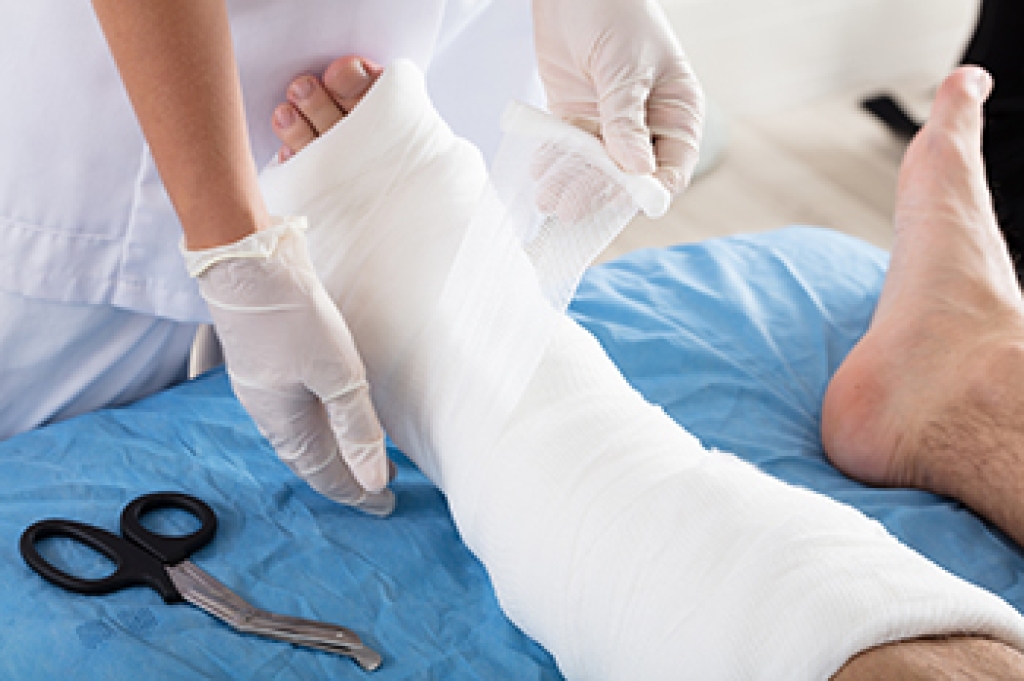
Off-loading devices are an important part of diabetic foot care because they reduce pressure on areas of the foot that are prone to ulceration. When too much stress is concentrated on the ball of the foot, heel, or toes, skin breakdown may occur, leading to painful ulcers that are slow to heal. Off-loading devices such as total contact casts, removable cast walkers, and therapeutic shoes are commonly used to redistribute pressure away from the ulcer site and allow the skin and underlying tissue to recover. While shoe modifications are often chosen, casts and walkers can be more effective in certain cases, especially when the ulcer is located on the sole of the foot. A podiatrist can evaluate the location and severity of the ulcer, determine the most appropriate off-loading method, and provide ongoing monitoring to ensure proper healing. If you have foot pain that may be related to diabetes, it is suggested that you schedule an appointment with a podiatrist for ongoing help in managing this serious condition.

Diabetic foot care is important in preventing foot ailments such as ulcers. If you are suffering from diabetes or have any other concerns about your feet, contact one of our podiatrists from Family Foot Health Center. Our doctors can provide the care you need to keep you pain-free and on your feet.

Diabetic Foot Care

Diabetes affects millions of people every year. The condition can damage blood vessels in many parts of the body, especially the feet. Because of this, taking care of your feet is essential if you have diabetes, and having a podiatrist help monitor your foot health is highly recommended.

The Importance of Caring for Your Feet

  • Routinely inspect your feet for bruises or sores.
  • Wear socks that fit your feet comfortably.
  • Wear comfortable shoes that provide adequate support.

Patients with diabetes should have their doctor monitor their blood levels, as blood sugar levels play such a huge role in diabetic care. Monitoring these levels on a regular basis is highly advised.

It is always best to inform your healthcare professional of any concerns you may have regarding your feet, especially for diabetic patients. Early treatment and routine foot examinations are keys to maintaining proper health, especially because severe complications can arise if proper treatment is not applied.

If you have any questions, please feel free to contact our office located in Rogers and Berryville, AR . We offer the newest diagnostic and treatment technologies for all your foot care needs.
Read more about Diabetic Foot Care

Athlete’s Foot and How to Find Relief

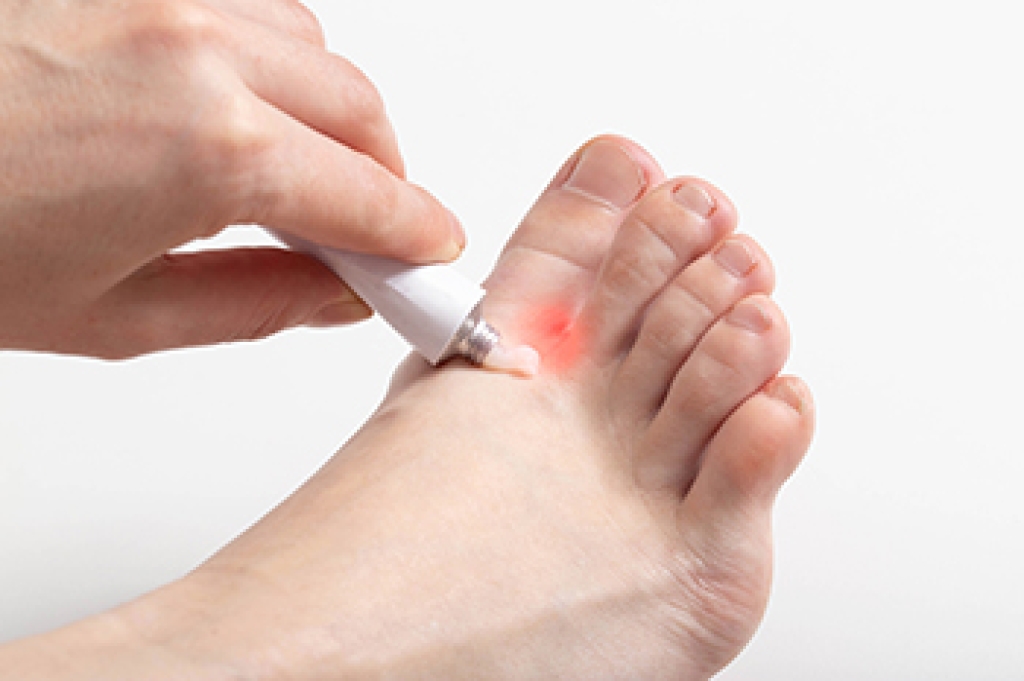
Athlete’s foot is a fungal infection that affects the skin of the feet, often beginning between the toes. It is caused by fungi that thrive in warm and moist environments, such as locker rooms, showers, and tight shoes. Symptoms include itching, burning, redness, peeling skin, and sometimes blisters. Risk factors include excessive sweating, wearing damp socks, sharing footwear, or walking barefoot in public areas. While mild treatments can help, recurring or severe cases may need professional care. A podiatrist can provide an accurate diagnosis, advanced antifungal treatments, and guidance on preventing reinfection. If you notice persistent symptoms of athlete’s foot, it is suggested that you schedule an appointment with a podiatrist who can effectively treat this condition.

Athlete’s Foot

Athlete’s foot is often an uncomfortable condition to experience. Thankfully, podiatrists specialize in treating athlete’s foot and offer the best treatment options. If you have any questions about athlete’s foot, consult with one of our podiatrists from Family Foot Health Center. Our doctors will assess your condition and provide you with quality treatment.

What Is Athlete’s Foot?

Tinea pedis, more commonly known as athlete’s foot, is a non-serious and common fungal infection of the foot. Athlete’s foot is contagious and can be contracted by touching someone who has it or infected surfaces. The most common places contaminated by it are public showers, locker rooms, and swimming pools. Once contracted, it grows on feet that are left inside moist, dark, and warm shoes and socks.

Prevention

The most effective ways to prevent athlete’s foot include:

  • Thoroughly washing and drying feet
  • Avoid going barefoot in locker rooms and public showers
  • Using shower shoes in public showers
  • Wearing socks that allow the feet to breathe
  • Changing socks and shoes frequently if you sweat a lot

Symptoms

Athlete’s foot initially occurs as a rash between the toes. However, if left undiagnosed, it can spread to the sides and bottom of the feet, toenails, and if touched by hand, the hands themselves. Symptoms include:

  • Redness
  • Burning
  • Itching
  • Scaly and peeling skin

Diagnosis and Treatment

Diagnosis is quick and easy. Skin samples will be taken and either viewed under a microscope or sent to a lab for testing. Sometimes, a podiatrist can diagnose it based on simply looking at it. Once confirmed, treatment options include oral and topical antifungal medications.

If you have any questions, please feel free to contact our office located in Rogers and Berryville, AR . We offer the newest diagnostic and treatment technologies for all your foot care needs.
Read more about Athlete's Foot

Are You Suffering From Nerve Damage?

Neuropathy is a condition that can lead to numbness or loss of sensation in the feet, but it can also cause pain. This condition is more likely to develop for those who are diabetic, obese, or with high blood pressure.

Why Feet Change During Pregnancy

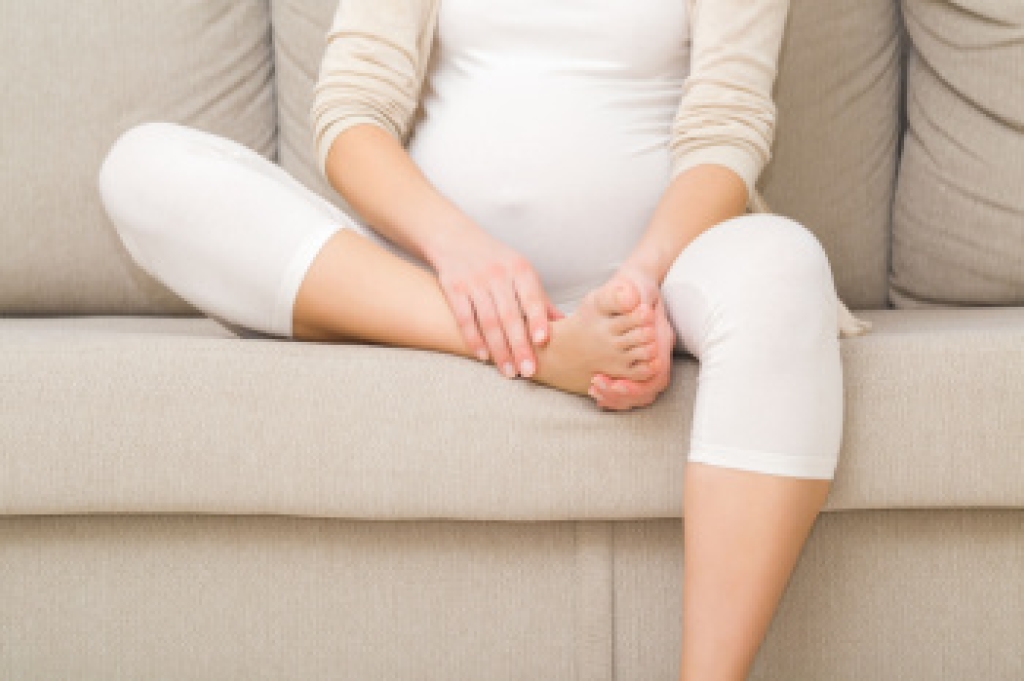
During pregnancy, a woman’s body undergoes significant changes that affect the feet. Increased body mass places extra pressure on the arches, while hormonal shifts, particularly the influx of relaxin, loosen ligaments and joints. The center of gravity is displaced, altering posture and gait. These changes can cause feet to become longer, flatter, and broader, which may lead to discomfort, swelling, or difficulty finding proper footwear. A podiatrist can help by assessing foot structure, recommending supportive shoes or custom orthotics, and providing guidance on exercises to maintain strength and flexibility. If pregnancy related foot changes are causing discomfort, it is suggested that you consult a podiatrist for personalized care and support.

Pregnant women with swollen feet can be treated with a variety of different methods that are readily available. For more information about other cures for swollen feet during pregnancy, consult with one of our podiatrists from Family Foot Health Center. Our doctors will attend to all of your foot and ankle needs.

What Foot Problems Can Arise During Pregnancy?

One problem that can occur is overpronation, which occurs when the arch of the foot flattens and tends to roll inward.  This can cause pain and discomfort in your heels while you’re walking or even just standing up, trying to support your baby.  

Another problem is edema, or swelling in the extremities. This often affects the feet during pregnancy but tends to occur in the later stages. 

How Can I Keep My Feet Healthy During Pregnancy?

  • Wearing orthotics can provide extra support for the feet and help distribute weight evenly
  • Minimize the amount of time spent walking barefoot
  • Wear shoes with good arch support
  • Wear shoes that allow for good circulation to the feet
  • Elevate feet if you experience swelling
  • Massage your feet
  • Get regular, light exercise, such as walking, to promote blood circulation to the feet

If you have any questions, please feel free to contact our office located in Rogers and Berryville, AR . We offer the newest diagnostic and treatment technologies for all your foot care needs.

Read more about Foot Care for Pregnant Women