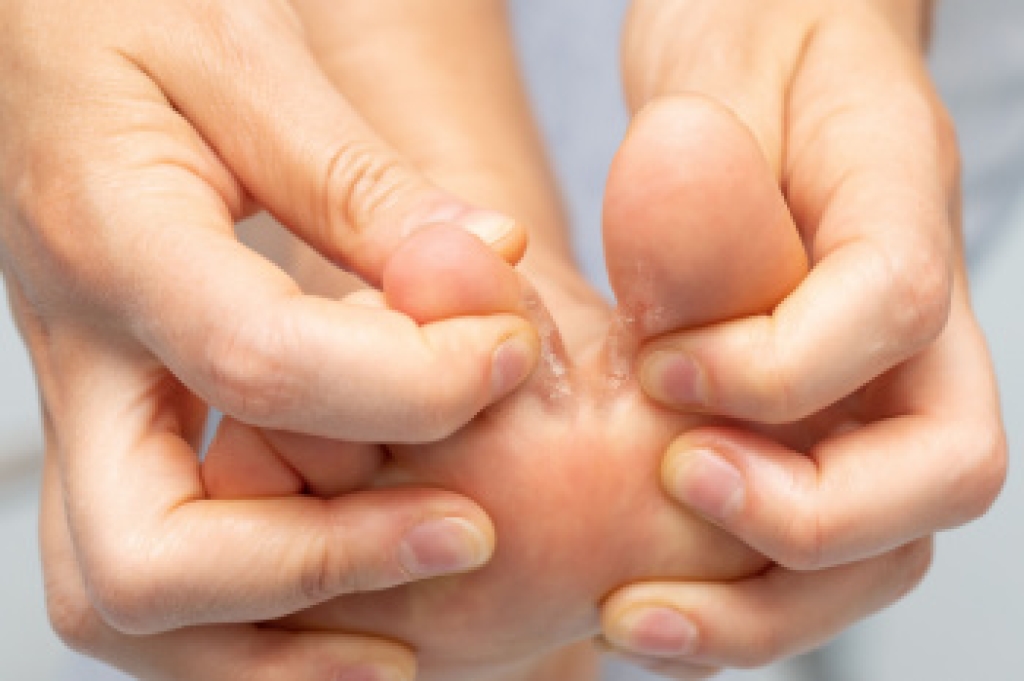
Understanding Athlete's Foot

Athlete's foot is a fungal infection that affects the skin on the feet, often between the toes. It is caused by a group of fungi known as dermatophytes, which thrive in warm, moist environments. The infection occurs when the fungi come into contact with the skin, leading to symptoms such as itching, redness, peeling, and sometimes blisters. Athlete's foot is extremely contagious and can spread through direct contact with an infected person or contaminated surfaces, such as public showers, locker rooms, and pools. Wearing tight shoes, sweaty socks, or walking barefoot in damp areas increases the risk of developing the infection. Individuals with weakened immune systems or poor foot hygiene are also more susceptible. If you have symptoms of athlete’s foot, it is suggested that you promptly contact a podiatrist who can offer you effective treatment methods, which may include prescribed medication.

Athlete’s Foot

Athlete’s foot is often an uncomfortable condition to experience. Thankfully, podiatrists specialize in treating athlete’s foot and offer the best treatment options. If you have any questions about athlete’s foot, consult with one of our podiatrists from Family Foot Health Center. Our doctors will assess your condition and provide you with quality treatment.

What Is Athlete’s Foot?

Tinea pedis, more commonly known as athlete’s foot, is a non-serious and common fungal infection of the foot. Athlete’s foot is contagious and can be contracted by touching someone who has it or infected surfaces. The most common places contaminated by it are public showers, locker rooms, and swimming pools. Once contracted, it grows on feet that are left inside moist, dark, and warm shoes and socks.

Prevention

The most effective ways to prevent athlete’s foot include:

  • Thoroughly washing and drying feet
  • Avoid going barefoot in locker rooms and public showers
  • Using shower shoes in public showers
  • Wearing socks that allow the feet to breathe
  • Changing socks and shoes frequently if you sweat a lot

Symptoms

Athlete’s foot initially occurs as a rash between the toes. However, if left undiagnosed, it can spread to the sides and bottom of the feet, toenails, and if touched by hand, the hands themselves. Symptoms include:

  • Redness
  • Burning
  • Itching
  • Scaly and peeling skin

Diagnosis and Treatment

Diagnosis is quick and easy. Skin samples will be taken and either viewed under a microscope or sent to a lab for testing. Sometimes, a podiatrist can diagnose it based on simply looking at it. Once confirmed, treatment options include oral and topical antifungal medications.

If you have any questions, please feel free to contact our office located in Rogers and Berryville, AR . We offer the newest diagnostic and treatment technologies for all your foot care needs.
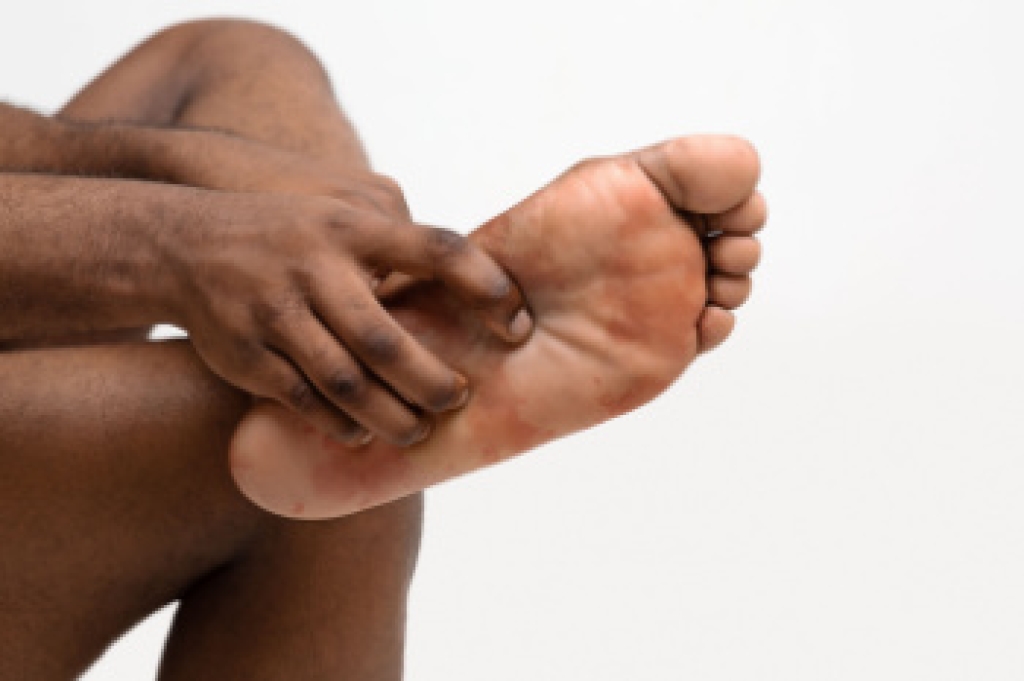

Read more about How to Deal with Athlete's Foot

Plantar Fasciitis Care

Plantar fasciitis is a common cause of heel pain, often resulting in sharp pain in the bottom of the heel, especially with the first steps in the morning or after prolonged sitting. It occurs when the plantar fascia, a thick band of tissue connecting the heel to the toes, becomes inflamed due to overuse, wearing poor footwear, or excessive pressure. To manage plantar fasciitis, stretching exercises like calf stretches, toe stretches, and plantar fascia stretches can help relieve tension and improve flexibility. Strengthening exercises for the foot and ankle can also aid in recovery. Additionally, wearing supportive shoes and using orthotic insoles can provide extra cushioning and protect the heel from further strain. A podiatrist can recommend personalized treatments, including custom orthotics, and guide you through proper care to prevent recurrence. If you are struggling with heel pain from plantar fasciitis, it is suggested that you schedule an appointment with a podiatrist to develop an effective treatment plan.

Plantar fasciitis is a common foot condition that is often caused by a strain injury. If you are experiencing heel pain or symptoms of plantar fasciitis, contact one of our podiatrists from Family Foot Health Center. Our doctors can provide the care you need to keep you pain-free and on your feet.

What Is Plantar Fasciitis?

Plantar fasciitis is one of the most common causes of heel pain. The plantar fascia is a ligament that connects your heel to the front of your foot. When this ligament becomes inflamed, plantar fasciitis is the result. If you have plantar fasciitis you will have a stabbing pain that usually occurs with your first steps in the morning. As the day progresses and you walk around more, this pain will start to disappear, but it will return after long periods of standing or sitting.

What Causes Plantar Fasciitis?

  • Excessive running
  • Having high arches in your feet
  • Other foot issues such as flat feet
  • Pregnancy (due to the sudden weight gain)
  • Being on your feet very often

There are some risk factors that may make you more likely to develop plantar fasciitis compared to others. The condition most commonly affects adults between the ages of 40 and 60. It also tends to affect people who are obese because the extra pounds result in extra stress being placed on the plantar fascia.

Prevention

  • Take good care of your feet – Wear shoes that have good arch support and heel cushioning.
  • Maintain a healthy weight
  • If you are a runner, alternate running with other sports that won’t cause heel pain

There are a variety of treatment options available for plantar fasciitis along with the pain that accompanies it. Additionally, physical therapy is a very important component in the treatment process. It is important that you meet with your podiatrist to determine which treatment option is best for you.

If you have any questions, please feel free to contact our office located in Rogers and Berryville, AR . We offer the newest diagnostic and treatment technologies for all your foot care needs.


Read more about Plantar Fasciitis

Ankle Fracture? Don’t Wait for Treatment

If you're suffering from an ankle fracture, professional attention shouldn't wait. Fractures may worsen over time and can make completing everyday activities incredibly difficult. See your specialist for treatment and guidance through the healing process. 

Ingrown Toenails

Ingrown toenails occur when the edges of the nail grow into the surrounding skin, causing pain, redness, and swelling. This can happen on any toe but is most common on the big toe. Ingrown toenails can develop at the side or tip of the nail, with inner side ingrown toenails being more common. The primary causes include improper nail trimming, such as cutting nails too short or rounding the corners, wearing tight shoes, injury to the toe, or having naturally curved nails. Infections may also develop if left untreated, leading to pus, increased pain, and swelling. Treatment typically involves soaking the foot, applying antibiotics, and, in severe cases, surgically removing part of the nail. A podiatrist can provide expert care by gently removing the ingrown portion of the nail, offering pain relief, and advising on proper nail care to prevent recurrence. If you have an ingrown toenail, it is suggested that you schedule an appointment with a podiatrist for effective treatment and relief.

Ingrown toenails can become painful if they are not treated properly. For more information about ingrown toenails, contact one of our podiatrists of Family Foot Health Center. Our doctors can provide the care you need to keep you pain-free and on your feet.

Ingrown Toenails

Ingrown toenails occur when a toenail grows sideways into the bed of the nail, causing pain, swelling, and possibly infection.

Causes

  • Bacterial infections
  • Improper nail cutting such as cutting it too short or not straight across
  • Trauma to the toe, such as stubbing, which causes the nail to grow back irregularly
  • Ill-fitting shoes that bunch the toes too close together
  • Genetic predisposition

Prevention

Because ingrown toenails are not something found outside of shoe-wearing cultures, going barefoot as often as possible will decrease the likeliness of developing ingrown toenails. Wearing proper fitting shoes and using proper cutting techniques will also help decrease your risk of developing ingrown toenails.

Treatment

Ingrown toenails are a very treatable foot condition. In minor cases, soaking the affected area in salt or antibacterial soaps will not only help with the ingrown nail itself, but also help prevent any infections from occurring. In more severe cases, surgery is an option. In either case, speaking to your podiatrist about this condition will help you get a better understanding of specific treatment options that are right for you.

If you have any questions, please feel free to contact our office located in Rogers and Berryville, AR . We offer the newest diagnostic and treatment technologies for all your foot care needs.

Read more about Ingrown Toenails

Understanding How Neuropathy Affects the Feet

Neuropathy in the feet refers to nerve damage that affects sensation, movement, and function. This condition can lead to various symptoms, making everyday activities more challenging. One of the most noticeable signs is a change in the appearance of the toenails and skin. The toenails may become thick, discolored, or brittle, while the skin might appear dry or overly sensitive. Weakening of the foot muscles is another common symptom, leading to difficulty with walking or standing for extended periods. People with neuropathy may also experience a loss of balance, which increases the risk of falls. Sensations like burning, tingling, or numbness in the feet are frequent as well, often causing discomfort or pain. If you are experiencing any of the above symptoms, it is suggested that you promptly consult a podiatrist who can offer you effective relief and management strategies.

Neuropathy

Neuropathy can be a potentially serious condition, especially if it is left undiagnosed. If you have any concerns that you may be experiencing nerve loss in your feet, consult with one of our podiatrists from Family Foot Health Center. Our doctors will assess your condition and provide you with quality foot and ankle treatment for neuropathy.

What Is Neuropathy?

Neuropathy is a condition that leads to damage to the nerves in the body. Peripheral neuropathy, or neuropathy that affects your peripheral nervous system, usually occurs in the feet. Neuropathy can be triggered by a number of different causes. Such causes include diabetes, infections, cancers, disorders, and toxic substances.

Symptoms of Neuropathy Include:

  • Numbness
  • Sensation loss
  • Prickling and tingling sensations
  • Throbbing, freezing, burning pains
  • Muscle weakness

Those with diabetes are at serious risk due to being unable to feel an ulcer on their feet. Diabetics usually also suffer from poor blood circulation. This can lead to the wound not healing, infections occurring, and the limb may have to be amputated.

Treatment

To treat neuropathy in the foot, podiatrists will first diagnose the cause of the neuropathy. Figuring out the underlying cause of the neuropathy will allow the podiatrist to prescribe the best treatment, whether it be caused by diabetes, toxic substance exposure, infection, etc. If the nerve has not died, then it’s possible that sensation may be able to return to the foot.

Pain medication may be issued for pain. Electrical nerve stimulation can be used to stimulate nerves. If the neuropathy is caused from pressure on the nerves, then surgery may be necessary.

If you have any questions, please feel free to contact our office located in Rogers and Berryville, AR . We offer the newest diagnostic and treatment technologies for all your foot care needs.

Read more about Neuropathy