Types of Surgery for Achilles Tendon Ruptures

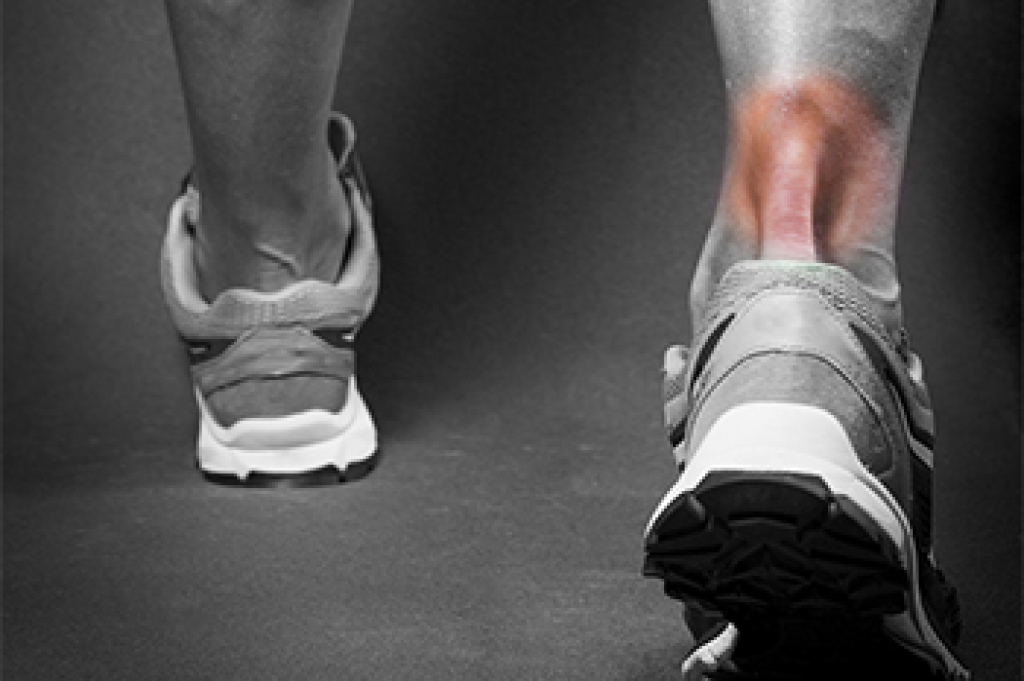
An Achilles tendon rupture is a serious injury that severely affects mobility. Treatment options include surgical repair or immobilization. Achilles tendon surgery reattaches the torn ends of the tendon and can be performed as an open procedure, which involves a larger incision, or as a percutaneous procedure. Percutaneous procedures use small punctures in the skin to insert tools for repairing the tendon, offering a less invasive approach that may result in reduced scarring and faster recovery. Surgery is often recommended for younger or more active patients because it lowers the risk of another rupture. Immobilization uses devices like casts, splints, or walking boots to keep the lower leg and ankle stationary while the tendon heals naturally. This method is commonly chosen for older or less active patients due to fewer associated risks. A podiatrist can assess your Achilles tendon injury and determine the best treatment based on the extent of the rupture and your activity level. If you have torn your Achilles tendon, it is suggested that you schedule an appointment with a podiatrist for an exam and suggested treatment options.

Achilles tendon injuries need immediate attention to avoid future complications. If you have any concerns, contact one of our podiatrists of Family Foot Health Center. Our doctors can provide the care you need to keep you pain-free and on your feet.

What Is the Achilles Tendon?

The Achilles tendon is a tendon that connects the lower leg muscles and calf to the heel of the foot. It is the strongest tendon in the human body and is essential for making movement possible. Because this tendon is such an integral part of the body, any injuries to it can create immense difficulties and should immediately be presented to a doctor.

What Are the Symptoms of an Achilles Tendon Injury?

There are various types of injuries that can affect the Achilles tendon. The two most common injuries are Achilles tendinitis and ruptures of the tendon.

Achilles Tendinitis Symptoms

  • Inflammation
  • Dull to severe pain
  • Increased blood flow to the tendon
  • Thickening of the tendon

Rupture Symptoms

  • Extreme pain and swelling in the foot
  • Total immobility

Treatment and Prevention

Achilles tendon injuries are diagnosed by a thorough physical evaluation, which can include an MRI. Treatment involves rest, physical therapy, and in some cases, surgery. However, various preventative measures can be taken to avoid these injuries, such as:

  • Thorough stretching of the tendon before and after exercise
  • Strengthening exercises like calf raises, squats, leg curls, leg extensions, leg raises, lunges, and leg presses

If you have any questions please feel free to contact our office located in Rogers and Berryville, AR . We offer the newest diagnostic tools and technology to treat your foot and ankle needs.

Read more about The Causes, Types, and Treatments of Achilles Tendon Injuries

How Dry Skin and Athlete’s Foot Differ

While dry skin and athlete's foot may seem similar due to their effects on the feet, they are distinct conditions with unique causes and symptoms. Dry skin occurs when the skin loses moisture, becoming rough, flaky, and sometimes itchy. This can result from environmental factors such as cold weather or prolonged exposure to hot water. Athlete's foot is a fungal infection that affects the skin of the feet, often between the toes. The symptoms of athlete's foot include redness, itching, burning sensations, peeling, and the development of blisters. The infection may also cause the skin to crack and bleed in severe cases. Unlike dry skin, athlete's foot is contagious and spreads in warm, damp environments like public showers or locker rooms. Treatment for athlete's foot usually involves antifungal medications, while dry skin is mostly managed with moisturizers and lifestyle adjustments to prevent further irritation. If you have symptoms of either ailment, it is suggested that you contact a podiatrist who can determine which condition it is, and offer appropriate relief and treatment solutions.

Athlete’s foot is an inconvenient condition that can be easily reduced with the proper treatment. If you have any concerns about your feet and ankles, contact one of our podiatrists from Family Foot Health Center.  Our doctors will treat your foot and ankle needs.

Athlete’s Foot: The Sole Story

Athlete's foot, also known as tinea pedis, can be an extremely contagious foot infection. It is commonly contracted in public changing areas and bathrooms, dormitory style living quarters, around locker rooms and public swimming pools, or anywhere your feet often come into contact with other people.

Solutions to Combat Athlete’s Foot

  • Hydrate your feet by using lotion
  • Exfoliate
  • Buff off nails
  • Use of anti-fungal products
  • Examine your feet and visit your doctor if any suspicious blisters or cuts develop

Athlete’s foot can cause many irritating symptoms such as dry and flaking skin, itching, and redness. Some more severe symptoms can include bleeding and cracked skin, intense itching and burning, and even pain when walking. In the worst cases, Athlete’s foot can cause blistering as well. Speak to your podiatrist for a better understanding of the different causes of Athlete’s foot, as well as help in determining which treatment options are best for you.

If you have any questions please feel free to contact our office located in Rogers and Berryville, AR . We offer the newest diagnostic and treatment technologies for all your foot and ankle needs.

Read more about Athlete’s Foot

Managing a Toe Infection

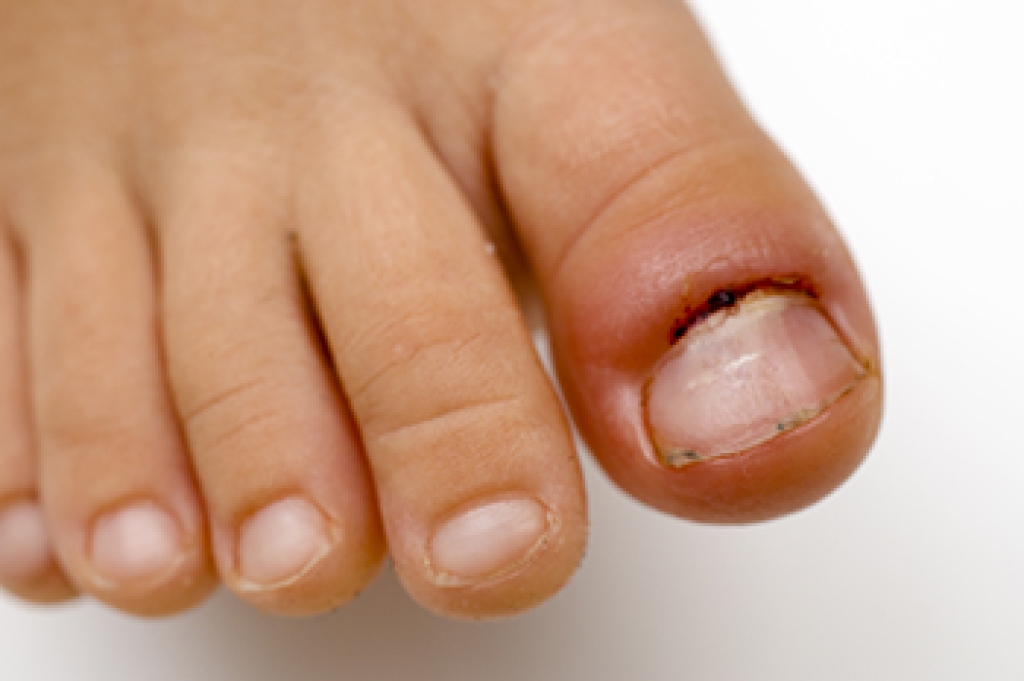
Toe infections can cause significant discomfort, especially for those who are on their feet regularly. Common symptoms of a toe infection include redness, swelling, pain, and oozing, sometimes accompanied by a foul odor or warmth surrounding the affected area. Toe infections may result from ingrown toenails, fungal conditions, injuries, or poor hygiene. For people with diabetes, even a minor toe infection can quickly become a serious issue, due to reduced blood flow and nerve damage, and can potentially lead to severe complications if left untreated. Wearing tight shoes, improperly trimmed toenails, or exposure to bacteria and fungus in damp environments are common triggers of toe infections. A podiatrist can diagnose the underlying cause of a toe infection and provide targeted treatment, such as prescribing antifungal or antibacterial medications, or performing procedures like partial nail removal for severe ingrown nails. If you have a toe infection, it is suggested that you promptly schedule an appointment with a podiatrist for an exam and treatment.

Toe pain can disrupt your daily activities. If you have any concerns, contact one of our podiatrists of Family Foot Health Center. Our doctors can provide the care you need to keep you pain-free and on your feet.

What Causes Toe Pain?

Most severe toe pain is caused due to a sports injury, trauma from dropping something heavy on the toe, or bumping into something rigid. Other problems can develop over time for various reasons.

Toe pain can be caused by one or more ailments. The most common include:

  • Trauma
  • Sports injury
  • Wearing shoes that are too tight
  • Arthritis
  • Gout
  • Corns and calluses
  • Hammertoe
  • Bunions
  • Blisters
  • Ingrown toenails
  • Sprains
  • Fractures (broken bones)
  • Dislocations

When to See a Podiatrist

  • Severe pain
  • Persistent pain that lasts more than a week
  • Signs of infection
  • Continued swelling
  • Pain that prevents walking

Diagnosis

In many cases the cause of toe pain is obvious, but in others, a podiatrist may want to use more advanced methods to determine the problem. These can range from simple visual inspections and sensation tests to X-rays and MRI scans. Prior medical history, family medical history, and any recent physical traumatic events will all be taken into consideration for a proper diagnosis.

Treatment

Treatments for toe pain and injuries vary and may include shoe inserts, padding, taping, medicines, injections, and in some cases, surgery. If you believe that you have broken a toe, please see a podiatrist as soon as possible.

If you have any questions please contact our office located in Rogers and Berryville, AR . We offer the newest diagnostic and treatment technologies for all your foot and ankle needs.

Read more about Toe Pain

Common Running Injuries in Children

Children involved in running activities are at risk for various foot and ankle injuries, often linked to overuse or biomechanical issues. Common foot conditions include Sever’s disease, which causes heel pain due to stress on the growth plates, and Iselin’s disease, which leads to pain on the outer edge of the foot from repetitive stress. Overtraining, sudden increases in activity, and wearing improper footwear can contribute to stress fractures in foot bones, which are often identified through localized pain that worsens with movement. Additionally, children undergoing growth spurts may experience increased muscle tightness and decreased flexibility, which heighten the risk of running injuries. A podiatrist can evaluate your child’s foot structure, recommend orthotics for support, and address any biomechanical concerns to help alleviate symptoms and prevent further issues. If your child has foot pain after physical activity, especially running, it is suggested that you schedule an appointment with a podiatrist for a diagnosis and treatment options.

Making sure that your children maintain good foot health is very important as they grow. If you have any questions, contact one of our podiatrists of Family Foot Health Center. Our doctors can provide the care you need to keep you pain-free and on your feet.

Keeping Children's Feet Healthy

Having healthy feet during childhood can help prevent medical problems later in life, namely in the back and legs. As children grow, their feet require different types of care. Here are some things to consider...

Although babies do not walk yet, it is still very important to take care of their feet.

Avoid putting tight shoes or socks on his or her feet.

Allow the baby to stretch and kick his or her feet to feel comfortable.

As a toddler, kids are now on the move and begin to develop differently. At this age, toddlers are getting a feel for walking, so don’t be alarmed if your toddler is unsteady or ‘walks funny’. 

As your child gets older, it is important to teach them how to take care of their feet.

Show them proper hygiene to prevent infections such as fungus.

Be watchful for any pain or injury.

Have all injuries checked by a doctor as soon as possible.

Comfortable, protective shoes should always be worn, especially at play.

If you have any questions, please feel free to contact our office located in Rogers and Berryville, AR . We offer the newest diagnostic and treatment technologies for all your foot care needs.

Read more about How to Care for Your Child's Feet