
Symptoms and Causes of Gout

Gout is a form of arthritis that often affects the feet. The joint of the big toe is the most common site, but the ankles and midfoot can also be affected. Gout develops when uric acid builds up in the blood and forms sharp crystals in the joints, leading to sudden, intense pain, swelling, and redness. These gout symptoms often come on quickly, frequently at night, and may reach peak severity within a day. Gout attacks, termed flare-ups, usually resolve within a week, but without treatment, the condition often returns and can affect multiple joints over time. Risk factors for gout include being overweight, having high blood pressure or diabetes, and consuming foods and drinks high in purines, such as red meat and beer. Repeated attacks may lead to hard crystal deposits called tophi, which can permanently damage bone and joint tissue. A podiatrist can help confirm a diagnosis of gout and provide treatment to manage its symptoms and prevent further joint damage. If you have symptoms of gout, it is suggested that you schedule an appointment with a podiatrist for an exam and effective treatment solutions.

Gout is a foot condition that requires certain treatment and care. If you are seeking treatment, contact one of our podiatrists from Family Foot Health Center. Our doctors will treat your foot and ankle needs.

What Is Gout?

Gout is a type of arthritis caused by a buildup of uric acid in the bloodstream. It often develops in the foot, especially the big toe area, although it can manifest in other parts of the body as well. Gout can make walking and standing very painful and is especially common in diabetics and the obese.

People typically get gout because of a poor diet. Genetic predisposition is also a factor. The children of parents who have had gout frequently have a chance of developing it themselves.

Gout can easily be identified by redness and inflammation of the big toe and the surrounding areas of the foot. Other symptoms include extreme fatigue, joint pain, and running high fevers. Sometimes corticosteroid drugs can be prescribed to treat gout, but the best way to combat this disease is to get more exercise and eat a better diet.

If you have any questions, please feel free to contact our office located in Rogers and Berryville, AR . We offer the newest diagnostic and treatment technologies for all your foot care needs.

Read more about Everything You Need to Know About Gout

Keep Your Feet Healthy So You Can Stay Active

Have your feet inspected by a professional before starting a new sport or physical activity. Taking charge of your foot health will keep you in good physical condition and can help you avoid a potential injury, such as a fracture or sprained ankle.

Prevent injuries and see a foot specialist.

Early Symptoms of Bunions

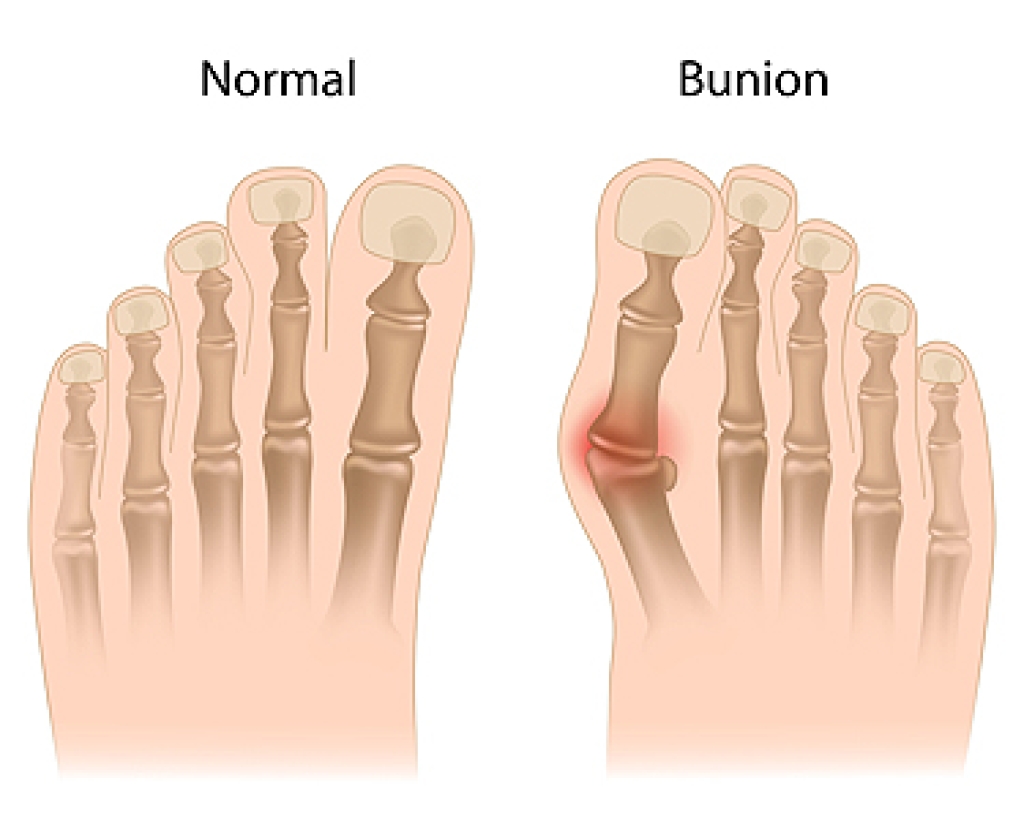
Bunions are a foot deformity that may begin with subtle signs and gradually progress to more noticeable discomfort. Early symptoms of bunions include swelling around the joint at the base of the big toe, along with redness that signals inflammation. Many people experience numbness and a burning sensation in the affected area. Over time, the foot shape may change as the big toe shifts toward the other toes, altering normal alignment. The altered pressure distribution often leads to the formation of calluses and corns on the inner side of the foot. Pain and discomfort during walking or prolonged standing may indicate that the condition is worsening. If you have any of the above symptoms, it is suggested that you visit a podiatrist who can offer you relief and treatment options.

If you are suffering from bunions, contact one of our podiatrists of Family Foot Health Center. Our doctors can provide the care you need to keep you pain-free and on your feet.

What Is a Bunion?

A bunion is formed of swollen tissue or an enlargement of boney growth, usually located at the base joint of the toe that connects to the foot. The swelling occurs due to the bones in the big toe shifting inward, which impacts the other toes of the foot. This causes the area around the base of the big toe to become inflamed and painful.

Why Do Bunions Form?

Genetics – Susceptibility to bunions are often hereditary

Stress on the feet – Poorly fitted and uncomfortable footwear that places stress on feet, such as heels, can worsen existing bunions

How Are Bunions Diagnosed?

Podiatrists often perform two tests – blood tests and x-rays – when trying to diagnose bunions, especially in the early stages of development. Blood tests help determine if the foot pain is being caused by something else, such as arthritis, while x-rays provide a clear picture of your bone structure to your provider.

How Are Bunions Treated?

  • Refrain from wearing heels or similar shoes that cause discomfort
  • Select wider shoes that can provide more comfort and reduce pain
  • Anti-inflammatory and pain management drugs
  • Orthotics or foot inserts
  • Surgery

If you have any questions, please feel free to contact our office located in Rogers and Berryville, AR . We offer the newest diagnostic and treatment technologies for all your foot care needs.

Read more about What Are Bunions?

Facts About Foot Stress Fractures

A foot stress fracture is a small crack in a bone caused by repetitive force or overuse. It often feels like a dull ache that worsens with activity and improves with rest. Over time, the pain may become more intense, accompanied by swelling and tenderness at the fracture site. Common causes include sudden increases in physical activity, improper footwear, and weakened bones due to conditions like osteoporosis. Athletes and others who engage in high-impact activities are at higher risk of developing foot stress fractures. Healing time varies but typically takes several weeks, depending on age, nutrition, and activity level. Rest, proper footwear, and a gradual return to activity are essential for recovery. If you have sustained a foot stress fracture, it is suggested that you promptly consult a podiatrist who can effectively diagnose and treat this foot condition.

Activities where too much pressure is put on the feet can cause stress fractures. To learn more, contact one of our podiatrists from Family Foot Health Center. Our doctors can provide the care you need to keep your pain free and on your feet.

Dealing with Stress Fractures of the Foot and Ankle

Stress fractures occur in the foot and ankle when muscles in these areas weaken from too much or too little use.  The feet and ankles then lose support when walking or running from the impact of the ground. Since there is no protection, the bones receive the full impact of each step. Stress on the feet can cause cracks to form in the bones, thus creating stress fractures.

What Are Stress Fractures?

Stress fractures occur frequently in individuals whose daily activities cause great impact on the feet and ankles. Stress factors are most common among:

  • Runners                                
  • People affected with Osteoporosis
  • Tennis or basketball players
  • Gymnasts
  • High impact workouts

Symptoms

Pain from the fractures occur in the area of the fractures and can be constant or intermittent. It will often cause sharp or dull pain with swelling and tenderness. Engaging in any kind of activity which involves high impact will aggravate pain.

If you have any questions please contact our office located in Rogers and Berryville, AR . We offer the newest diagnostic and treatment technologies for all your foot and ankle needs.

Read more about Stress Fractures of the Foot and Ankle

Types of Hammertoe Surgery

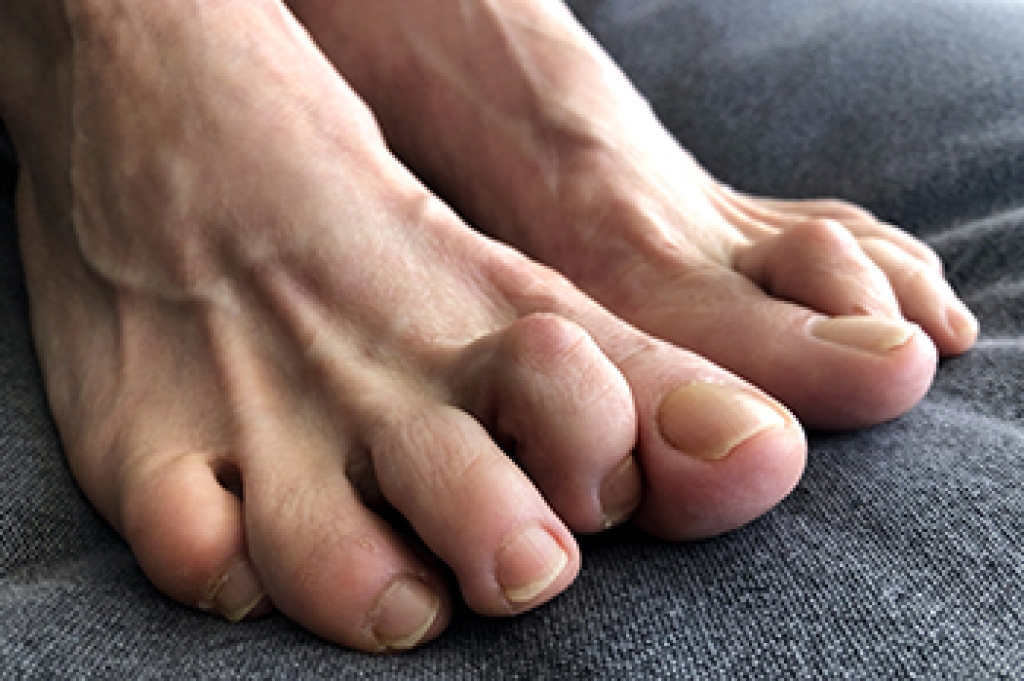
Hammertoe is a condition in which a toe bends at the middle joint, causing it to look like a hammer. Hammertoe is often caused by muscle imbalance that leads to pain, stiffness, and difficulty wearing shoes. If conservative treatment measures do not help, a podiatrist may recommend surgery to correct the deformity. The type of procedure depends on the flexibility of the toe. If the toe is still movable, a tendon transfer can help straighten it by repositioning tendons. For a rigid hammertoe, joint resection involves removing a small section of bone to allow the toe to extend. Joint fusion surgery permanently realigns the toe by securing the bones together with pins or screws until they heal. These procedures are typically performed on an outpatient basis, with recovery taking several weeks. Swelling can last for months, but pain generally recedes early in the healing process. Possible risks include infection, nerve damage, or recurrence of the deformity. If you have a painful hammertoe, it is suggested that you schedule an appointment with a podiatrist for an exam, diagnosis, and treatment options, which may include surgery.

Foot surgery is sometimes necessary to treat a foot ailment. To learn more, contact one of our podiatrists of Family Foot Health Center. Our doctors will assist you with all of your foot and ankle needs.

When Is Surgery Necessary?

Foot and ankle surgery is generally reserved for cases in which less invasive, conservative procedures have failed to alleviate the problem. Some of the cases in which surgery may be necessary include:

  • Removing foot deformities like bunions and bone spurs
  • Severe arthritis that has caused bone issues
  • Cosmetic reconstruction

What Types of Surgery Are There?

The type of surgery you receive will depend on the nature of the problem you have. Some of the possible surgeries include:

  • Bunionectomy for painful bunions
  • Surgical fusion for realignment of bones
  • Neuropathy decompression surgery to treat nerve damage

Benefits of Surgery

Although surgery is usually a last resort, it can provide more complete pain relief compared to non-surgical methods and may allow you to finally resume full activity.

Surgical techniques have also become increasingly sophisticated. Techniques like endoscopic surgery allow for smaller incisions and faster recovery times.

If you have any questions, please feel free to contact our office located in Rogers and Berryville, AR . We offer the newest diagnostic and treatment technologies for all your foot care needs.
Read more about Foot Surgery