
The Role of a Podiatrist in Broken Ankle Recovery

A broken ankle refers to a fracture in one or more of the bones that make up the ankle joint. It can result from trauma such as a fall, sports injury, or an accident that forces the joint beyond its normal range of motion. Symptoms include sharp pain, swelling, bruising, inability to bear weight, and visible deformity. Risk factors include high-impact activities, weak bones, improper footwear, and poor balance. A podiatrist can assess the injury through physical examination and imaging, then recommend appropriate treatment, such as immobilization, orthotics, or referral for surgical care. With expert guidance, a podiatrist helps ensure proper healing, pain management, and rehabilitation to restore strength and mobility in the affected ankle. If you have symptoms of a broken ankle, it is suggested that you contact this type of doctor who can offer appropriate treatment solutions.

Broken ankles need immediate treatment. If you are seeking treatment, contact one of our podiatrists from Family Foot Health Center. Our doctors can provide the care you need to keep you pain-free and on your feet. 

Broken Ankles
A broken ankle is experienced when a person fractures their tibia or fibula in the lower leg and ankle area. Both of these bones are attached at the bottom of the leg and combine to form what we know to be our ankle.

When a physician is referring to a break of the ankle, he or she is usually referring to a break in the area where the tibia and fibula are joined to create our ankle joint. Ankles are more prone to fractures because the ankle is an area that suffers a lot of pressure and stress. There are some obvious signs when a person experiences a fractured ankle, and the following symptoms may be present.

Symptoms of a Fractured Ankle

  • Excessive pain when the area is touched or when any pressure is placed on the ankle
  • Swelling around the area
  • Bruising of the area
  • Area appears to be deformed

If you suspect an ankle fracture, it is recommended to seek treatment as soon as possible. The sooner you have your podiatrist diagnose the fracture, the quicker you’ll be on the way towards recovery.

If you have any questions, please feel free to contact our office located in Rogers and Berryville, AR . We offer the newest diagnostic and treatment technologies for all your foot care needs.


Read more about All About Broken Ankles

Foot Pain Symptoms and What They Mean

Symptoms of foot pain may include burning, numbness, swelling, or sharp pain in the toes, heel, or arch. These issues may stem from nerve compression, inflammation, poor circulation, or joint damage. Swollen ankles may follow injuries or may be linked to underlying conditions that restrict fluid movement. Tingling or numbness might point to nerve damage caused by repetitive pressure or complications from medical conditions. Stiffness or intense pain in the morning may suggest inflammation of tissue or tendon problems. Runners or people who stand for long periods may experience increased pain from stress on the bones and soft tissue of the feet. Redness, itching, or rashes may indicate infections or allergic responses. Hard or soft lumps may form on different parts of the foot, often due to cysts or joint deformities. A podiatrist can evaluate these foot pain symptoms, perform diagnostic tests, and recommend medical treatment or surgery, if needed. If you are experiencing foot pain, it is suggested that you make an appointment with a podiatrist for an exam, diagnosis, and appropriate treatment.

Foot Pain

Foot pain can be extremely painful and debilitating. If you have a foot pain, consult with one of our podiatrists from Family Foot Health Center. Our doctors will assess your condition and provide you with quality foot and ankle treatment.

Causes

Foot pain is a very broad condition that could be caused by one or more ailments. The most common include:

  • Bunions
  • Hammertoes
  • Plantar Fasciitis
  • Bone Spurs
  • Corns
  • Tarsal Tunnel Syndrome
  • Ingrown Toenails
  • Arthritis (such as Gout, Rheumatoid, and Osteoarthritis)
  • Flat Feet
  • Injury (from stress fractures, broken toe, foot, ankle, Achilles tendon ruptures, and sprains)
  • And more

Diagnosis

To figure out the cause of foot pain, podiatrists utilize several different methods. This can range from simple visual inspections and sensation tests to X-rays and MRI scans. Prior medical history, family medical history, and any recent physical traumatic events will all be taken into consideration for a proper diagnosis.

Treatment

Treatment depends upon the cause of the foot pain. Whether it is resting, staying off the foot, or having surgery; podiatrists have a number of treatment options available for foot pain.

If you have any questions, please feel free to contact our office located in Rogers and Berryville, AR . We offer the newest diagnostic and treatment technologies for all your foot care needs.
Read more about Foot Pain

Managing Osteoarthritis of the Big Toe

Osteoarthritis of the big toe occurs when the cartilage in the main toe joint wears down, often due to aging or repeated stress on the feet. This can lead to pain, swelling, stiffness, and a limited range of motion, especially during walking or standing. The joint most commonly affected is the metatarsophalangeal, or MTP, joint, located at the base of the big toe. People may experience pain that worsens with activity and can have difficulty in bending the toe. A podiatrist can evaluate the MTP joint with imaging tests and conduct a physical exam to confirm the diagnosis. Depending on the severity, treatment options include anti-inflammatory medication or corticosteroid injections to help reduce swelling and relieve pain. If the condition progresses and causes ongoing discomfort, surgery may be needed to remove damaged tissue or realign the joint. This can help improve movement or reduce pain when other approaches have not worked. If your big toe joint becomes painful, it is suggested that you schedule an appointment with a podiatrist for an exam, diagnosis, and appropriate treatment.

Toe pain can disrupt your daily activities. If you have any concerns, contact one of our podiatrists of Family Foot Health Center. Our doctors can provide the care you need to keep you pain-free and on your feet.

What Causes Toe Pain?

Most severe toe pain is caused due to a sports injury, trauma from dropping something heavy on the toe, or bumping into something rigid. Other problems can develop over time for various reasons.

Toe pain can be caused by one or more ailments. The most common include:

  • Trauma
  • Sports injury
  • Wearing shoes that are too tight
  • Arthritis
  • Gout
  • Corns and calluses
  • Hammertoe
  • Bunions
  • Blisters
  • Ingrown toenails
  • Sprains
  • Fractures (broken bones)
  • Dislocations

When to See a Podiatrist

  • Severe pain
  • Persistent pain that lasts more than a week
  • Signs of infection
  • Continued swelling
  • Pain that prevents walking

Diagnosis

In many cases the cause of toe pain is obvious, but in others, a podiatrist may want to use more advanced methods to determine the problem. These can range from simple visual inspections and sensation tests to X-rays and MRI scans. Prior medical history, family medical history, and any recent physical traumatic events will all be taken into consideration for a proper diagnosis.

Treatment

Treatments for toe pain and injuries vary and may include shoe inserts, padding, taping, medicines, injections, and in some cases, surgery. If you believe that you have broken a toe, please see a podiatrist as soon as possible.

If you have any questions please contact our office located in Rogers and Berryville, AR . We offer the newest diagnostic and treatment technologies for all your foot and ankle needs.

Read more about Toe Pain

Why Custom Orthotics Might Be Right for You

Shoe orthotics are not just for athletes or people with foot pain, they can benefit anyone whose feet are not functioning at their best. Custom orthotics are specially designed to support your unique foot structure, helping to correct alignment, absorb shock, and improve balance. You might need them if you suffer from chronic heel pain, arch problems, flat feet, or conditions like plantar fasciitis or arthritis. Even knee, hip, or back pain can sometimes be traced back to poor foot mechanics. Unlike over-the-counter inserts, custom orthotics are made from molds of your feet, so they address your specific needs. They can fit in many types of shoes and help reduce fatigue during everyday activities. If your feet ache or you feel unsteady on your feet, it is suggested that you see a podiatrist who can assess your gait and recommend whether orthotics could improve your comfort and long-term foot health.

If you are having discomfort in your feet and would like to try orthotics, contact one of our podiatrists from Family Foot Health Center. Our doctors can provide the care you need to keep you pain-free and on your feet.

What Are Orthotics?

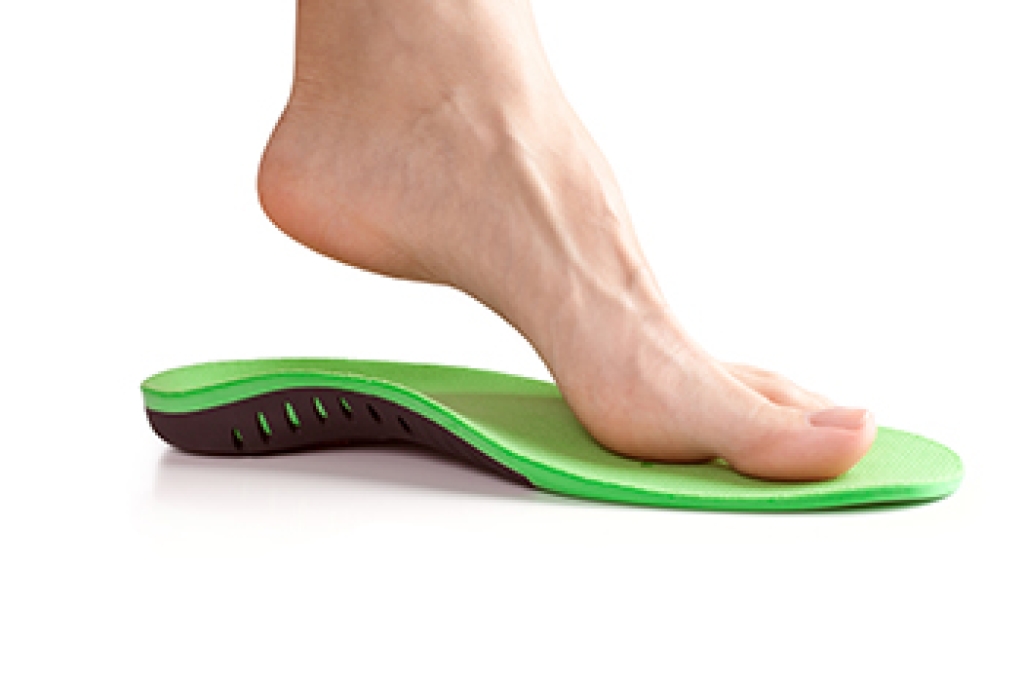
Orthotics are inserts you can place into your shoes to help with a variety of foot problems such as flat feet or foot pain. Orthotics provide relief and comfort for minor foot and heel pain but can’t correct serious biomechanical problems in your feet.

Over-the-Counter Inserts

Orthotics come in a wide variety of over-the-counter inserts that are used to treat foot pain, heel pain, and minor problems. For example, arch supports can be inserted into your shoes to help correct overarched or flat feet, while gel insoles are often used because they provide comfort and relief from foot and heel pain by alleviating pressure.

Prescription Orthotics

If over-the-counter inserts don’t work for you or if you have a more severe foot concern, it is possible to have your podiatrist prescribe custom orthotics. These high-quality inserts are designed to treat problems such as abnormal motion, plantar fasciitis, and severe forms of heel pain. They can even be used to help patients suffering from diabetes by treating foot ulcers and painful calluses and are usually molded to your feet individually, which allows them to provide full support and comfort.

If you are experiencing minor to severe foot or heel pain, it’s recommended to speak with your podiatrist about the possibilities of using orthotics. A podiatrist can determine which type of orthotic is right for you and allow you to take the first steps towards being pain-free.

If you have any questions, please feel free to contact our office located in Rogers and Berryville, AR . We offer the newest diagnostic and treatment technologies for all your foot care needs.

Read more about Foot Orthotics

Understanding Achilles Tendinopathy

Achilles tendinopathy is a common condition that causes pain and stiffness in the tendon connecting the calf muscles to the heel. It often affects runners, athletes, or anyone who suddenly increases their level of activity. The pain usually starts gradually and worsens with movement, especially after rest or in the morning. Swelling or thickening along the back of the heel may also appear. This condition develops over time from overuse, wearing poor footwear, tight calf muscles or improper training techniques. Early treatment can prevent long-term damage. Rest, stretching, and strengthening exercises are often recommended. Supportive shoes or heel lifts can reduce strain. In more serious cases, targeted exercises or advanced treatments may be needed. If your heel or lower leg hurts with activity or becomes stiff, it is suggested you see a podiatrist for diagnosis and appropriate treatment.

Achilles tendon injuries need immediate attention to avoid future complications. If you have any concerns, contact one of our podiatrists of Family Foot Health Center. Our doctors can provide the care you need to keep you pain-free and on your feet.

What Is the Achilles Tendon?

The Achilles tendon is a tendon that connects the lower leg muscles and calf to the heel of the foot. It is the strongest tendon in the human body and is essential for making movement possible. Because this tendon is such an integral part of the body, any injuries to it can create immense difficulties and should immediately be presented to a doctor.

What Are the Symptoms of an Achilles Tendon Injury?

There are various types of injuries that can affect the Achilles tendon. The two most common injuries are Achilles tendinitis and ruptures of the tendon.

Achilles Tendinitis Symptoms

  • Inflammation
  • Dull to severe pain
  • Increased blood flow to the tendon
  • Thickening of the tendon

Rupture Symptoms

  • Extreme pain and swelling in the foot
  • Total immobility

Treatment and Prevention

Achilles tendon injuries are diagnosed by a thorough physical evaluation, which can include an MRI. Treatment involves rest, physical therapy, and in some cases, surgery. However, various preventative measures can be taken to avoid these injuries, such as:

  • Thorough stretching of the tendon before and after exercise
  • Strengthening exercises like calf raises, squats, leg curls, leg extensions, leg raises, lunges, and leg presses

If you have any questions please feel free to contact our office located in Rogers and Berryville, AR . We offer the newest diagnostic tools and technology to treat your foot and ankle needs.

Read more about What are Achilles Tendon Injuries