
Ingrown toenails can be painful and can make wearing shoes or walking uncomfortable. Seek professional help if you believe you've developed an ingrown toenail and be treated safely.
Ingrown toenails can be painful and can make wearing shoes or walking uncomfortable. Seek professional help if you believe you've developed an ingrown toenail and be treated safely.
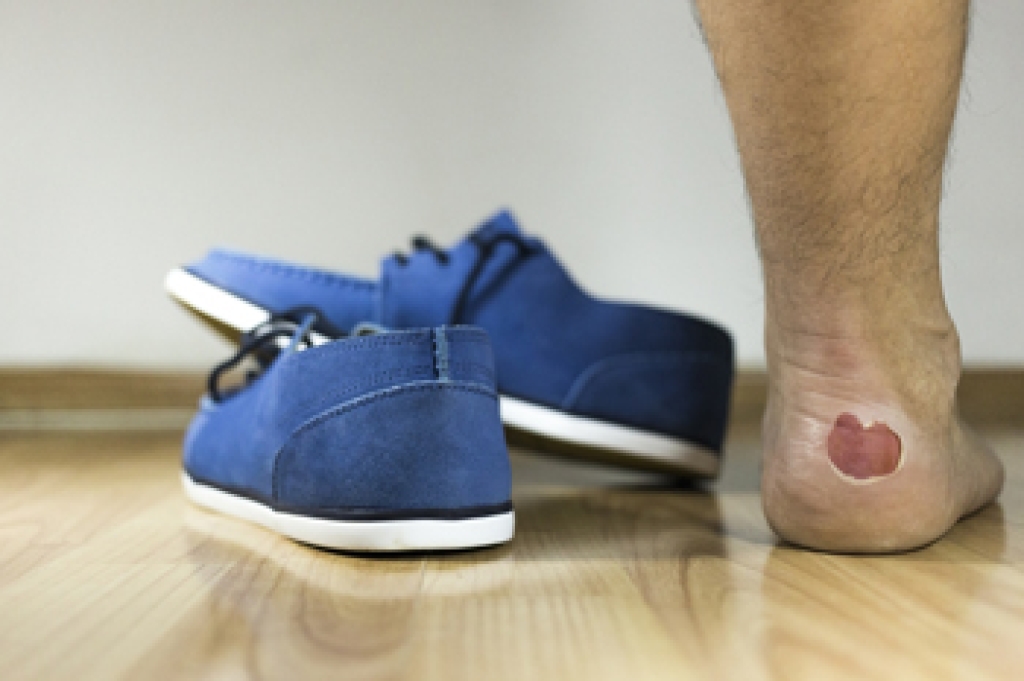
Blisters, those tiny pockets of annoyance that can develop on the feet, are often the result of friction, heat, and moisture conspiring against our skin. Blisters form as a protective response, shielding the delicate layers of skin beneath from further damage. Ill-fitting footwear, especially new shoes that have not been properly broken in, are common culprits. Extended periods of walking, running, or any repetitive motion can exacerbate the friction, triggering blisters. Additionally, sweaty feet trapped in damp environments provide the ideal environment. The symptoms are tender, swollen patches of skin filled with clear fluid, which may eventually rupture, leaving raw skin exposed. While prevention through comfortable footwear and moisture-wicking socks is key, understanding the causes and symptoms equips you to treat blisters promptly and prevent their unwelcome intrusion. If you frequently develop blisters on your feet, it is suggested that you contact a podiatrist who can provide you with additional prevention techniques.
Blisters are prone to making everyday activities extremely uncomfortable. If your feet are hurting, contact one of our podiatrists of Family Foot Health Center. Our doctors can provide the care you need to keep you pain-free and on your feet.
Foot Blisters
Foot blisters develop as a result of constantly wearing tight or ill-fitting footwear. This happens due to the constant rubbing from the shoe, which can often lead to pain.
What Are Foot Blisters?
A foot blister is a small fluid-filled pocket that forms on the upper-most layer of the skin. Blisters are filled with clear fluid and can lead to blood drainage or pus if the area becomes infected.
How Do Blisters Form?
Blisters on the feet are often the result of constant friction of skin and material, usually by shoe rubbing. Walking in sandals, boots, or shoes that don’t fit properly for long periods of time can result in a blister. Having consistent foot moisture and humidity can easily lead to blister formation.
Prevention & Treatment
It is important to properly care for the affected area in order to prevent infection and ease the pain. Do not lance the blister and use a Band-Aid to provide pain relief. Also, be sure to keep your feet dry and wear proper fitting shoes. If you see blood or pus in a blister, seek assistance from a podiatrist.
If you have any questions, please feel free to contact our office located in Rogers and Berryville, AR . We offer the newest diagnostic and treatment technologies for all your foot care needs.
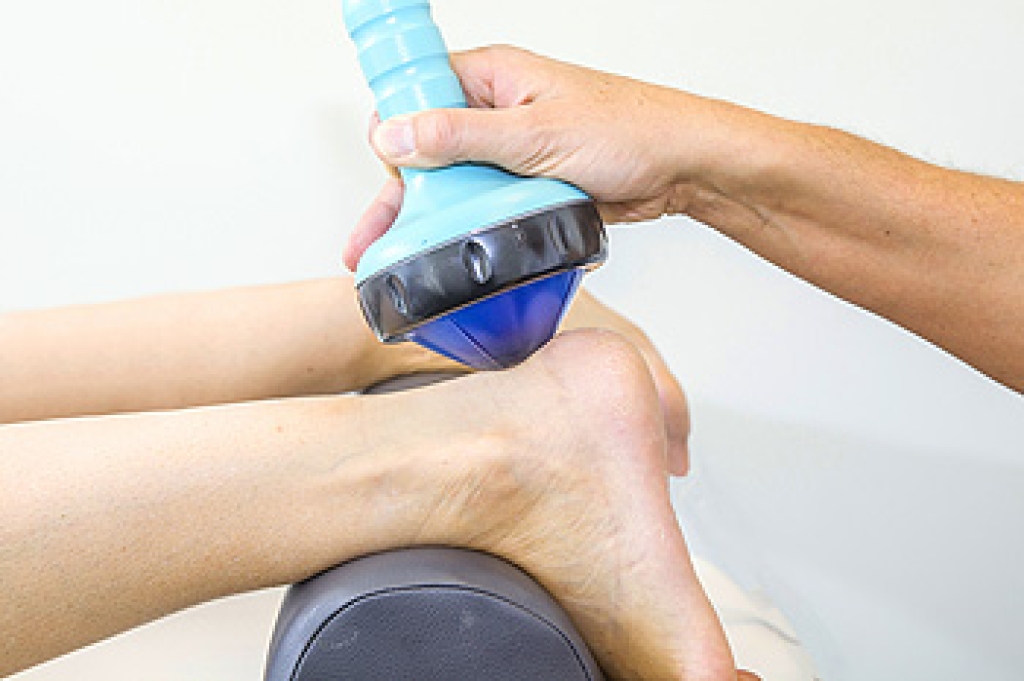
Extracorporeal Shockwave Therapy, abbreviated ESWT, is a proven treatment for chronic musculoskeletal pain. This therapy is done for injuries persisting for over six weeks, where the body struggles to heal itself. ESWT prompts an irritation at the injury site, transitioning it from chronic to acute, which facilitates natural healing. It is often combined with other therapies such as offloading and strengthening exercises. ESWT is particularly effective for plantar fasciitis, which previously necessitated extended rest, cortisone shots, or surgery. ESWT involves delivering low and high energy shockwaves to the plantar fascia, stimulating the body's self healing mechanisms. It enhances blood circulation, encourages cell regeneration, and reduces nerve sensitivity. It is noninvasive and has no side effects. Typically, four to six sessions spaced a week apart are needed for optimal results, with symptom improvement often noticed after just two sessions. Healing continues for up to three months post treatment. If you have plantar fasciitis and are interested in learning more about this type of treatment, it is suggested that you make an appointment with a podiatrist to see if ESWT is right for you.
Shockwave therapy is a treatment commonly used to treat various injuries and conditions, particularly plantar fasciitis in the feet. To learn more, consult with one of our podiatrists from Family Foot Health Center. Our doctors can provide the care you need to keep you pain-free and on your feet.
Shockwave Therapy
Shockwave therapy is a new treatment option designed to treat bone conditions such as tennis elbow, shoulder pain, and others. Shockwave therapy uses high intensity sound waves that are directed to the affected tissues of the body with pinpoint accuracy. The effects are very beneficial, leading to a production of collagen fibers, eliminating inflammation.
Who Benefits from Shockwave?
Shockwave is recommended for patients suffering from heel pain and associated problems. Heel pain is a common condition which can be caused by obesity, overexertion, and spending a substantial amount of time on hard floors with your feet exposed and unsupported.
Fast and Easy
The therapy is actually a simple process that can leave patients feeling better the very next day. Shockwave therapy is not as dramatic as it sounds. It enables more blood flow to effected areas, addressing the source of the problem and allowing treatment to last for a long time.
Treatment & Recovery Time
Shockwave treatment will enable your feet to recover quickly. This is especially important since surgery is not required. It is cost effective and does not require the use of anesthesia. This treatment is a better option to surgery, since it is proven safe.
If you have any questions, please feel free to contact our office located in Rogers and Berryville, AR . We offer the newest diagnostic and treatment technologies for all your foot care needs.
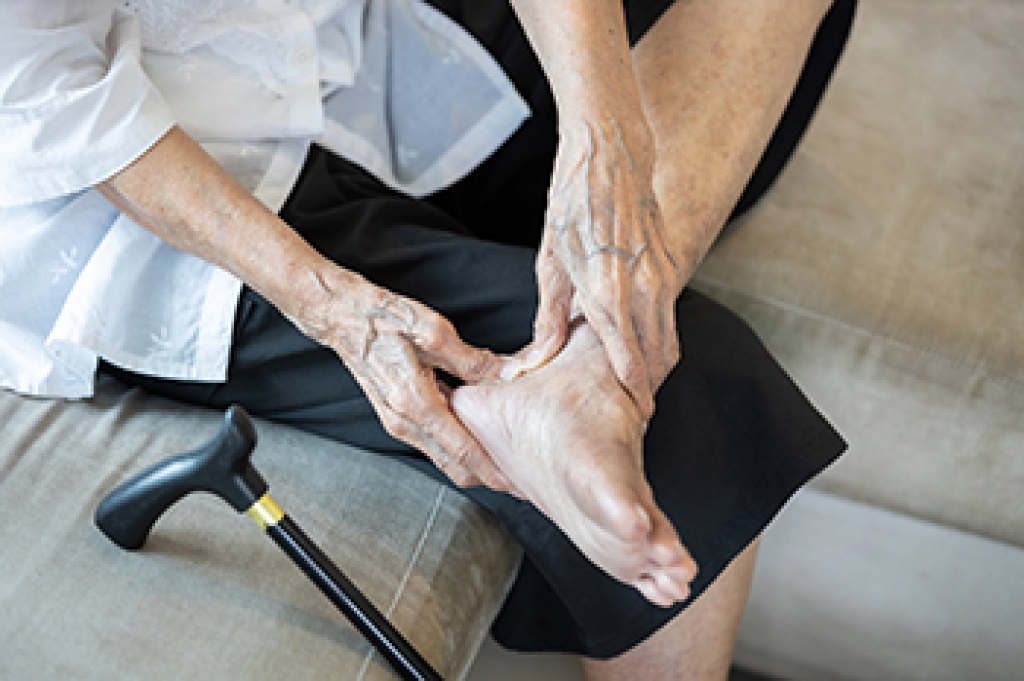
Aging affects various aspects of our bodies, including changes to the feet. Common problems that develop with aging affect the toenails, skin, and structure of the feet. Toenails often become thicker, more brittle, and susceptible to fungal infections due to diminished circulation. To counteract these effects, prioritize wearing comfortable shoes with wide-toe boxes to prevent crowding and promote airflow. Aging also impacts skin cell regeneration, leading to thinning, dryness, and skin lesions. This can result in cracked heels, corns, and calluses. Protecting the feet from the elements and opting for supportive, comfortable footwear will contribute to healthier skin as you age. The structure of the feet undergoes significant changes as you age, affecting tendons, ligaments, and arch support. Over time, tendons and ligaments lose elasticity and strength, leading to flattened arches and lengthened feet. The fat pads that cushion your heels also diminish, increasing the risk of heel pain, tendon tears, and muscle strains. One of the main ways of staving off the effects of aging on the feet is to invest in properly fitting footwear. Seek out shoes that offer proper support and cushioning. For help with foot problems as you age, it is suggested that you make a podiatrist a regular member of your healthcare team.
Proper foot care is something many older adults forget to consider. If you have any concerns about your feet and ankles, contact one of our podiatrists from Family Foot Health Center. Our doctors can provide the care you need to keep you pain-free and on your feet.
The Elderly and Their Feet
As we age we start to notice many changes in our body, but the elder population may not notice them right away. Medical conditions may prevent the elderly to take notice of their foot health right away. Poor vision is a lead contributor to not taking action for the elderly.
Common Conditions
Susceptible Infections
Diabetes and poor circulation can cause general loss of sensitivity over the years, turning a simple cut into a serious issue.
If you have any questions, please feel free to contact our office located in Rogers and Berryville, AR . We offer the newest diagnostic and treatment technologies for all your foot care needs.
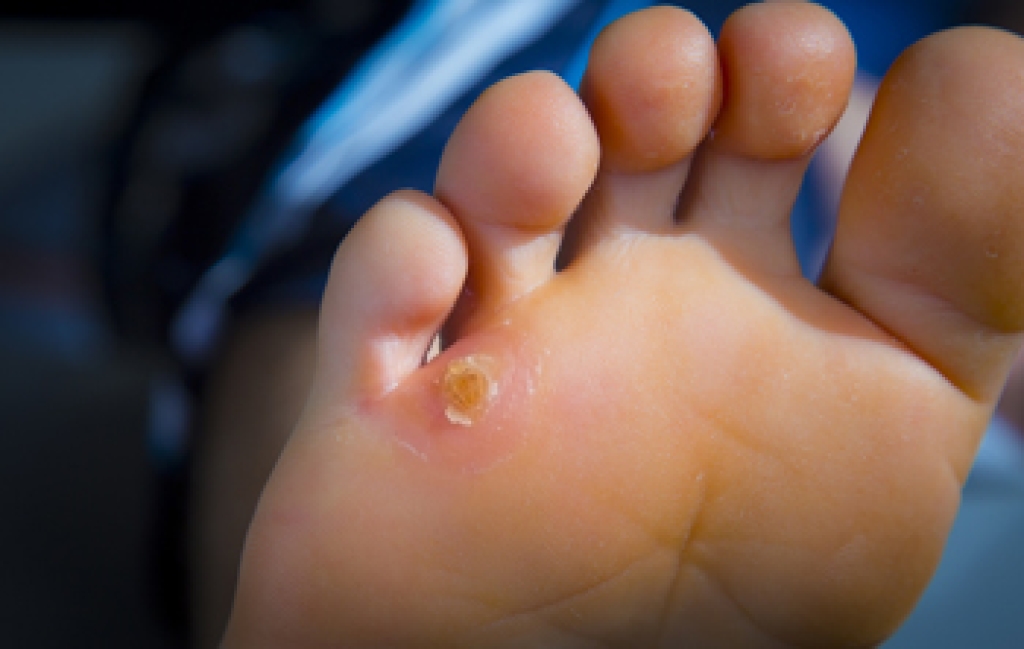
Foot corns are hard, raised bumps that form due to excessive pressure or friction on the foot, leading to the deposit of keratin in the skin layers. Corns on the feet typically develop on or between the toes, below the toenail bed, or on the sole of the foot. Common causes include wearing tight or ill-fitting shoes, walking or running barefoot, and prolonged standing. The symptoms of foot corns include discomfort while walking or standing, pain, and in some cases, a burning sensation. To treat foot corns, it is essential to soften the skin and remove the thickened layers. This can be achieved through soaking the feet in warm water or using a pumice stone. Addressing the underlying cause is crucial to prevent recurrence, and this may involve changing shoe type or size. Certain risk factors can increase the likelihood of developing foot corns, such as diabetes, foot deformities, poor blood circulation, and overpronation or oversupination while walking. If over-the-counter remedies don't provide relief, it is suggested that you make an appointment with a podiatrist, which is especially important for anyone with diabetes or foot deformities.
Corns can make walking very painful and should be treated immediately. If you have questions regarding your feet and ankles, contact one of our podiatrists of Family Foot Health Center. Our doctors will treat your foot and ankle needs.
Corns: What Are They? And How Do You Get Rid of Them?
Corns are thickened areas on the skin that can become painful. They are caused by excessive pressure and friction on the skin. Corns press into the deeper layers of the skin and are usually round in shape.
Ways to Prevent Corns
There are many ways to get rid of painful corns such as:
Treating Corns
Although most corns slowly disappear when the friction or pressure stops, this isn’t always the case. Consult with your podiatrist to determine the best treatment option for your case of corns.
If you have any questions, please feel free to contact our office located in Rogers and Berryville, AR . We offer the newest diagnostic and treatment technologies for all your foot care needs.
