Plantar Fasciitis and Possible Solutions

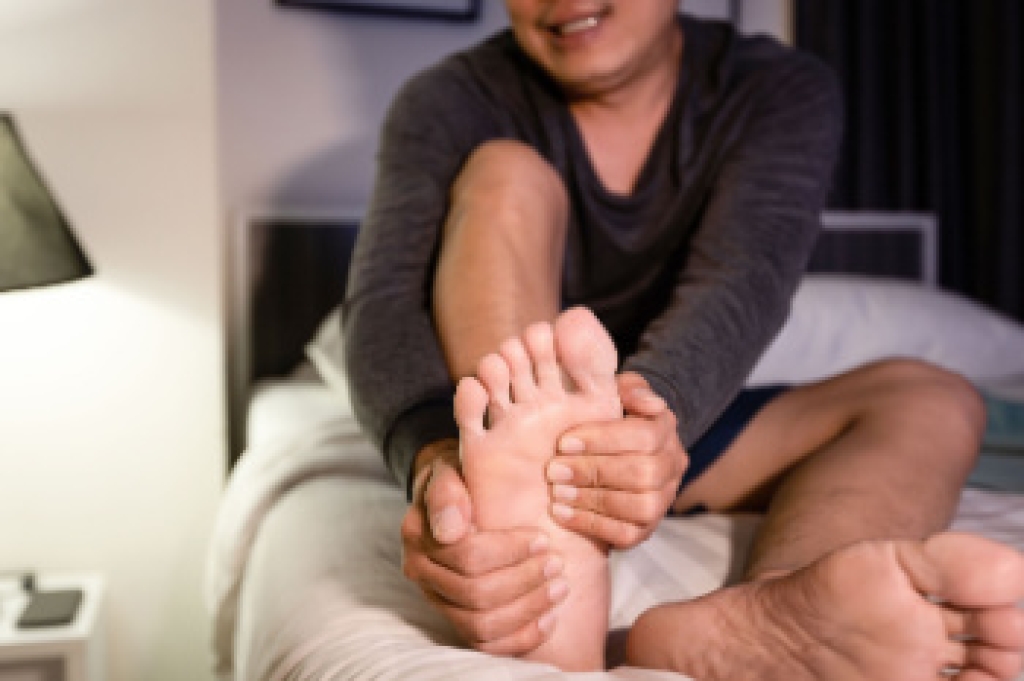
Plantar fasciitis involves inflammation of the plantar fascia, a thick band of tissue that connects the heel to the toes. It often results in sharp heel pain, especially with the first steps in the morning or after long periods of rest. Causes include overuse, improper footwear, or high-impact activities. Risk factors include flat feet, obesity, and prolonged standing. A podiatrist can accurately diagnose the condition, recommend custom orthotics, suggest stretching exercises, and offer advanced treatment to reduce pain and promote healing. If you are struggling with persistent heel pain or discomfort when walking, it is strongly suggested that you consult a podiatrist for an expert evaluation and care, tailored to restore your comfort and foot function.

Plantar fasciitis is a common foot condition that is often caused by a strain injury. If you are experiencing heel pain or symptoms of plantar fasciitis, contact one of our podiatrists from Family Foot Health Center. Our doctors can provide the care you need to keep you pain-free and on your feet.

What Is Plantar Fasciitis?

Plantar fasciitis is one of the most common causes of heel pain. The plantar fascia is a ligament that connects your heel to the front of your foot. When this ligament becomes inflamed, plantar fasciitis is the result. If you have plantar fasciitis you will have a stabbing pain that usually occurs with your first steps in the morning. As the day progresses and you walk around more, this pain will start to disappear, but it will return after long periods of standing or sitting.

What Causes Plantar Fasciitis?

  • Excessive running
  • Having high arches in your feet
  • Other foot issues such as flat feet
  • Pregnancy (due to the sudden weight gain)
  • Being on your feet very often

There are some risk factors that may make you more likely to develop plantar fasciitis compared to others. The condition most commonly affects adults between the ages of 40 and 60. It also tends to affect people who are obese because the extra pounds result in extra stress being placed on the plantar fascia.

Prevention

  • Take good care of your feet – Wear shoes that have good arch support and heel cushioning.
  • Maintain a healthy weight
  • If you are a runner, alternate running with other sports that won’t cause heel pain

There are a variety of treatment options available for plantar fasciitis along with the pain that accompanies it. Additionally, physical therapy is a very important component in the treatment process. It is important that you meet with your podiatrist to determine which treatment option is best for you.

If you have any questions, please feel free to contact our office located in Rogers and Berryville, AR . We offer the newest diagnostic and treatment technologies for all your foot care needs.

 

Read more about Plantar Fasciitis

Let the Expert Treat Your Ingrown Toenails

Ingrown toenails can be painful and can make wearing shoes or walking uncomfortable. Seek professional help if you believe you've developed an ingrown toenail and be treated safely. 

What Your Feet Say About Your Health

Your feet can reveal important clues about your overall health. Hairless feet and toes may signal poor circulation, often linked to vascular issues. Frequent foot cramping might suggest dehydration or a lack of essential nutrients, such as potassium or magnesium. A sore that does not heal could be an early sign of diabetes, indicating reduced blood flow or nerve damage. Cold feet may point to hypothyroidism, where reduced thyroid activity affects circulation and body temperature. A podiatrist is trained to recognize these warning signs, provide diagnostic support, and guide you toward appropriate care. If you have foot pain or notice unusual changes in your feet, it is strongly suggested that you schedule an appointment with a podiatrist who can treat various foot conditions.

When dealing with systemic disease of the feet, it is extremely important to check the affected areas routinely so that any additional problems are caught quickly.  If you have any concerns about your feet and ankles contact one of our podiatrists from Family Foot Health Center. Our doctors will assist you with all of your podiatric needs.

Systemic Diseases of the Feet

Systemic diseases affect the whole body, and symptoms usually are displayed in the feet. This condition can make a patient’s ability to walk unbearable.  Systemic diseases include gout, diabetes mellitus, neurological disorders, and arthritis.

Gout – is caused by an excess of uric acid in the body. Common symptoms include pain, inflammation, and redness at the metatarsal/phalangeal joint of the base big toe. Gout can be treated by NSAIDs to relieve pain and inflammation, and other drugs that lower the acid levels in the body.

Diabetes mellitus – is an increase in the level of blood sugar that the body cannot counteract with its own insulin. Failure to produce enough insulin is a factor in Diabetes.

Diabetes of the Feet

Diabetic Neuropathy – may lead to damaged nerves and affect the feet through numbness and loss of sensation.

Peripheral Vascular Disease – can restrict the blood flow to the feet, and often times lead to amputation of the feet. 

If you have any questions please contact our office located in Rogers and Berryville, AR . We offer the newest diagnostic and treatment technologies for all your foot and ankle needs.

Read more about Systemic Diseases of the Foot

Importance of Foot Care in Seniors

As people age, their feet often undergo physical changes that can lead to pain, instability, and reduced mobility. The natural thinning of fat pads, loss of skin elasticity, and decreased circulation can make older adults more prone to calluses, bunions, and hammertoes. Ingrown toenails and fungal infections also become more common, particularly when vision or flexibility limitations make it difficult to inspect and care for the feet. Poor balance or foot discomfort can increase the risk of falls, which are especially dangerous for seniors. Conditions like diabetes and arthritis may further affect the nerves, joints, and skin of the feet, raising the risk of infection or pressure-related injuries. A podiatrist can examine the feet, toes, and ankles for early signs of damage, treat existing conditions, and offer medical strategies to help preserve foot health in seniors. If you are a senior and have foot pain,  it is suggested that you schedule an appointment with a podiatrist who can treat various foot conditions, and guide you on for regular foot health monitoring.

If you need your feet checked, contact one of our podiatrists of Family Foot Health Center. Our doctors will attend to all of your foot and ankle needs and provide you with quality treatment.

Geriatrics and Podiatry
When people age, some common issues that may occur are bone density loss, dry skin, poor circulation, and rough brittle nails. These issues may also affect your foot health if the necessary steps are not taken to alleviate the problems.

It is important to take care of your feet because feet that are injured or diseased can affect your overall health. Having painful feet hinders your ability to do daily activities or may decrease your willingness to do the things that you need to do.

Visiting Your Geriatrician
As we age, health problems become more likely, so it is essential to visit your doctor for check-ups to ensure that you are doing the best you can to take care of your health. It is recommended to check your feet frequently for any possible cuts, bruises, swelling, corns or any other irregularities. 

Taking Care of Elderly Feet
Cracked or dry feet can be treated by applying moisturizer often. It is also important not to wear old socks because the older the sock is, the higher the possibility there will be that there is bacteria there. Wear fresh socks and make sure they fit properly.

Proper foot health means that you can have a more active lifestyle and you will not be bogged down by pain. Foot health also leads to good circulation, which is paramount for overall health.

If you have any questions, please feel free to contact our office located in Rogers and Berryville, AR . We offer the newest diagnostic and treatment technologies for all your foot care needs.

Read more about Geriatrics and Podiatry

Pain Beneath the Big Toe

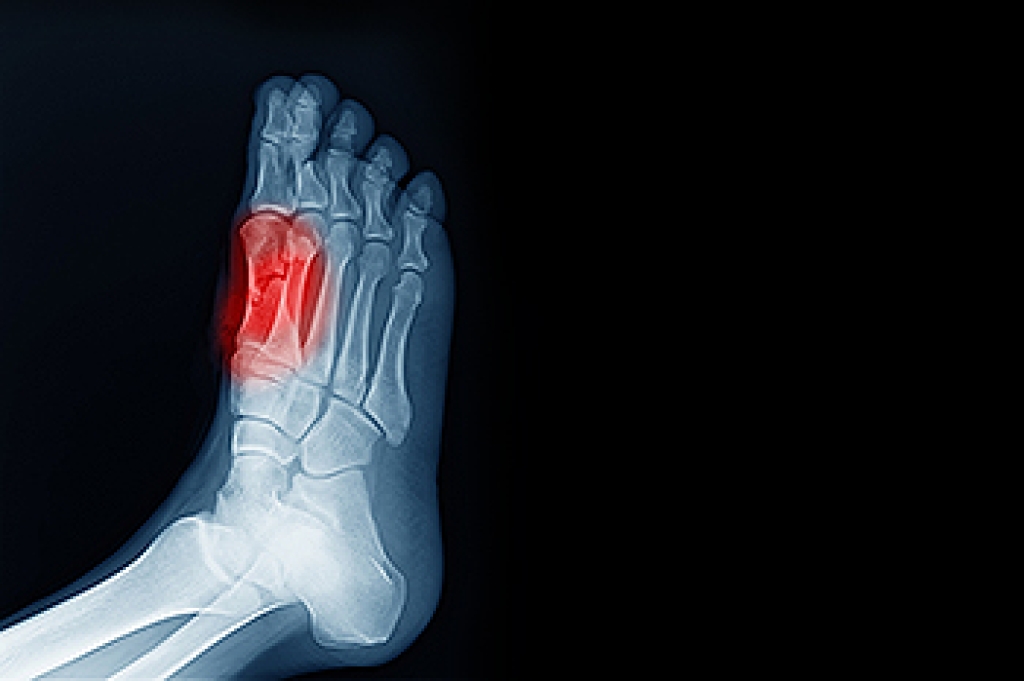
Sesamoiditis is inflammation of the small sesamoid bones located beneath the big toe joint. These tiny bones help absorb impact and aid in movement, but they can become irritated from repetitive stress. Common causes include activities that place pressure on the forefoot, such as running, dancing, or wearing high heels. Risk factors involve high arches, sudden increase in activity, and improper footwear. Symptoms often include pain beneath the big toe, swelling, and difficulty bending the toe. A podiatrist can diagnose sesamoiditis with a thorough exam and imaging, then recommend treatments such as medication, custom orthotics, and footwear changes. If you experience persistent toe joint pain, it is suggested that you visit a podiatrist to relieve discomfort and restore function.

Sesamoiditis is an unpleasant foot condition characterized by pain in the balls of the feet. If you think you’re struggling with sesamoiditis, contact one of our podiatrists of Family Foot Health Center. Our doctors will treat your condition thoroughly and effectively.

Sesamoiditis

Sesamoiditis is a condition of the foot that affects the ball of the foot. It is more common in younger people than it is in older people. It can also occur with people who have begun a new exercise program, since their bodies are adjusting to the new physical regimen. Pain may also be caused by the inflammation of tendons surrounding the bones. It is important to seek treatment in its early stages because if you ignore the pain, this condition can lead to more serious problems such as severe irritation and bone fractures.

Causes of Sesamoiditis

  • Sudden increase in activity
  • Increase in physically strenuous movement without a proper warm up or build up
  • Foot structure: those who have smaller, bonier feet or those with a high arch may be more susceptible

Treatment for sesamoiditis is non-invasive and simple. Doctors may recommend a strict rest period where the patient forgoes most physical activity. This will help give the patient time to heal their feet through limited activity. For serious cases, it is best to speak with your doctor to determine a treatment option that will help your specific needs.

If you have any questions, please feel free to contact our office located in Rogers and Berryville, AR . We offer the newest diagnostic and treatment technologies for all your foot care needs.
Read more about Sesamoiditis