Preventing Morton’s Neuroma

Plantar digital neuroma, commonly known as Morton's neuroma, is a painful condition involving the thickening of tissue surrounding one of the nerves leading to the toes. This condition typically develops between the third and fourth toes and causes sharp, burning pain and often a feeling of having a pebble in the shoe. Wearing high-heeled or tight shoes, repetitive stress, and certain foot deformities like bunions and hammertoes can contribute to developing a neuroma. To prevent plantar digital neuroma, it helps to wear well-fitted, low-heeled shoes with adequate toe room and cushioning. It is also beneficial to avoid activities that place excessive pressure on the ball of the foot. Regularly stretching, strengthening foot muscles, and maintaining a healthy weight can reduce the risk of Morton's neuroma. If you have pain between your toes, it is suggested that you consult a podiatrist who can accurately diagnose and treat this condition.

Morton’s neuroma is a very uncomfortable condition to live with. If you think you have Morton’s neuroma, contact one of our podiatrists of Family Foot Health Center. Our doctors will attend to all of your foot care needs and answer any of your related questions.  

Morton’s Neuroma

Morton's neuroma is a painful foot condition that commonly affects the areas between the second and third or third and fourth toe, although other areas of the foot are also susceptible. Morton’s neuroma is caused by an inflamed nerve in the foot that is being squeezed and aggravated by surrounding bones.

What Increases the Chances of Having Morton’s Neuroma?

  • Ill-fitting high heels or shoes that add pressure to the toe or foot
  • Jogging, running or any sport that involves constant impact to the foot
  • Flat feet, bunions, and any other foot deformities

Morton’s neuroma is a very treatable condition. Orthotics and shoe inserts can often be used to alleviate the pain on the forefront of the feet. In more severe cases, corticosteroids can also be prescribed. In order to figure out the best treatment for your neuroma, it’s recommended to seek the care of a podiatrist who can diagnose your condition and provide different treatment options.

If you have any questions, please feel free to contact our office located in Rogers and Berryville, AR . We offer the newest diagnostic and treatment technologies for all your foot care needs.
Read more about Morton's Neuroma

Types of Ankle Fractures

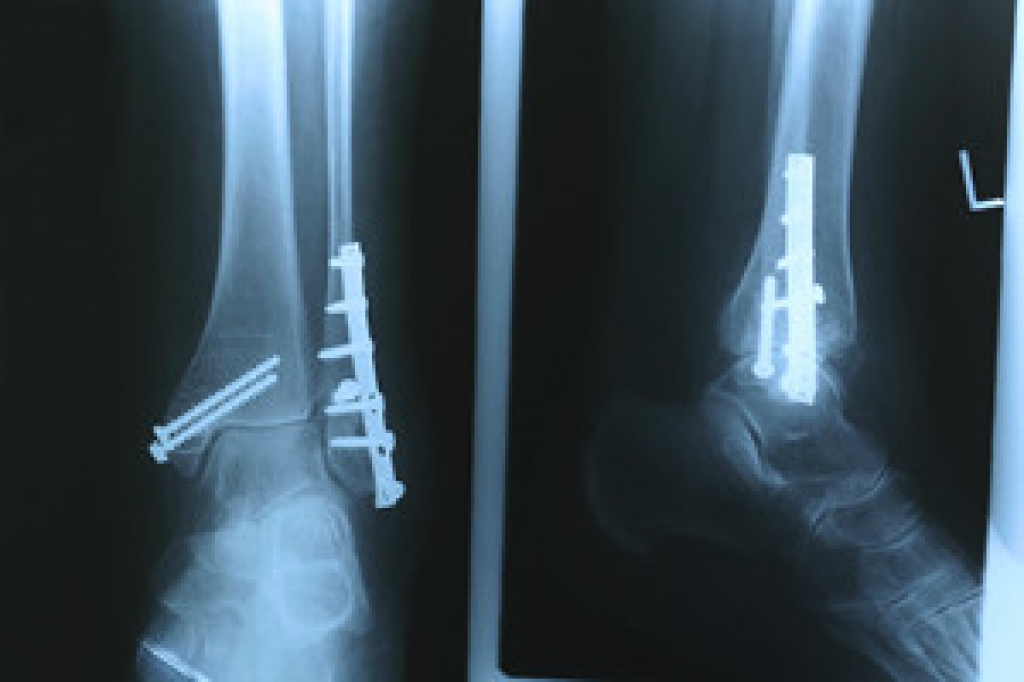
Foot and ankle trauma is a prevalent issue, especially ankle injuries, which can significantly affect mobility. Among the common types of ankle fractures are isolated fibular fractures and Danis-Weber fractures, classified into types A, B, and C. An isolated fibular fracture involves the fibula and is typically less severe. Danis-Weber type A fractures occur below the ligament complex, a group of ligaments that connect the tibia, or shinbone, and the fibula, the smaller bone next to the tibia, just above the ankle joint. A type B fracture is at the level of the ligament complex, and a type C  fracture is above the ligament complex, often accompanied by an injury in this area. Treatment for these fractures ranges from immobilization with a cast or brace for less severe cases to surgical intervention for more complex fractures. Potential complications can include chronic pain, instability, and post-traumatic arthritis, which can impede recovery and long-term function. Given the complexities and potential for complications, if you have an ankle fracture, it is suggested that you schedule an appointment with a podiatrist for an accurate diagnosis, effective treatment, and optimal recovery.

Broken ankles need immediate treatment. If you are seeking treatment, contact one of our podiatrists from Family Foot Health Center. Our doctors can provide the care you need to keep you pain-free and on your feet. 

Broken Ankles
A broken ankle is experienced when a person fractures their tibia or fibula in the lower leg and ankle area. Both of these bones are attached at the bottom of the leg and combine to form what we know to be our ankle.

When a physician is referring to a break of the ankle, he or she is usually referring to a break in the area where the tibia and fibula are joined to create our ankle joint. Ankles are more prone to fractures because the ankle is an area that suffers a lot of pressure and stress. There are some obvious signs when a person experiences a fractured ankle, and the following symptoms may be present.

Symptoms of a Fractured Ankle

  • Excessive pain when the area is touched or when any pressure is placed on the ankle
  • Swelling around the area
  • Bruising of the area
  • Area appears to be deformed

If you suspect an ankle fracture, it is recommended to seek treatment as soon as possible. The sooner you have your podiatrist diagnose the fracture, the quicker you’ll be on the way towards recovery.

If you have any questions, please feel free to contact our office located in Rogers and Berryville, AR . We offer the newest diagnostic and treatment technologies for all your foot care needs.

Read more about All About Broken Ankle

Understanding and Preventing Bunions

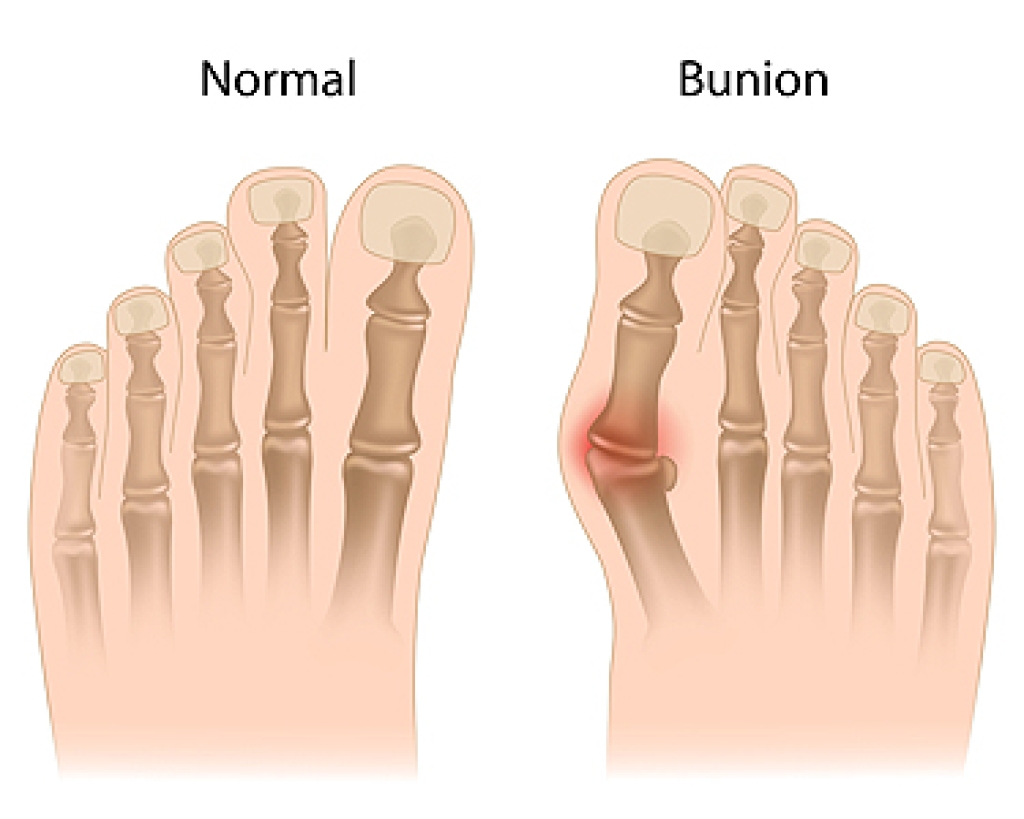
A bunion is a bony bump that forms at the base of the big toe, resulting from misalignment of the joint. It can cause pain, swelling, and difficulty in finding comfortable footwear. Genetics, wearing tight or ill-fitting shoes, and certain foot shapes can contribute to bunion development. To prevent bunions, it is important to wear shoes with a wide toe box and avoid high heels that put pressure on the front of the foot. Custom orthotics can provide support and alleviate pressure on the big toe joint. Stretching and strengthening exercises for the feet can improve alignment and reduce strain. Early intervention, such as using bunion pads and maintaining a healthy weight, can also help prevent the progression of bunions. If you have a bunion, it is suggested that you speak to a podiatrist who can provide you with additional methods for relief and treatment options.

If you are suffering from bunion pain, contact one of our podiatrists of Family Foot Health Center. Our doctors can provide the care you need to keep you pain-free and on your feet.

What Is a Bunion?

Bunions are painful bony bumps that usually develop on the inside of the foot at the joint of the big toe. As the deformity increases over time, it may become painful to walk and wear shoes. Women are more likely to exacerbate existing bunions since they often wear tight, narrow shoes that shift their toes together. Bunion pain can be relieved by wearing wider shoes with enough room for the toes.

Causes

  • Genetics – some people inherit feet that are more prone to bunion development
  • Inflammatory Conditions - rheumatoid arthritis and polio may cause bunion development

Symptoms

  • Redness and inflammation
  • Pain and tenderness
  • Callus or corns on the bump
  • Restricted motion in the big toe

In order to diagnose your bunion, your podiatrist may ask about your medical history, symptoms, and general health. Your doctor might also order an x-ray to take a closer look at your feet. Nonsurgical treatment options include orthotics, padding, icing, changes in footwear, and medication. If nonsurgical treatments don’t alleviate your bunion pain, surgery may be necessary.

If you have any questions, please feel free to contact our office located in Rogers and Berryville, AR . We offer the newest diagnostic and treatment technologies for all your foot care needs.

Read more about Bunions

The Role of Podiatrists in Foot Health

Podiatrists are medical professionals specializing in the diagnosis, treatment, and prevention of conditions affecting the feet, ankles, and lower limbs. These doctors play a critical role in maintaining foot health and addressing a wide range of foot-related issues. Podiatrists treat various conditions, including ingrown toenails, plantar fasciitis, and bunions, in addition to corns, calluses, heel pain, and foot deformities. During an appointment with a podiatrist, patients can expect a thorough examination of their feet, ankles, and lower legs to assess their condition and identify any underlying issues. Depending on the diagnosis, treatment options may include custom orthotic devices, medication, or minimally invasive procedures. Podiatrists also provide guidance on proper foot care, footwear selection, and preventive measures to promote overall foot health and prevent future problems. With their specialized knowledge and expertise, podiatrists help patients maintain mobility, alleviate discomfort, and achieve optimal foot function. If you are experiencing any type of foot or ankle pain, it is strongly suggested that you visit a podiatrist who can make an accurate diagnosis and provide the necessary treatment.

If you are dealing with pain in your feet and ankles, you may want to seek help from a podiatrist. Feel free to contact one of our podiatrists from Family Foot Health Center. Our doctors can provide the care you need to keep you pain-free and on your feet.

What Is a Podiatrist?

A podiatrist is a doctor of podiatric medicine who diagnoses and treats conditions of the foot, ankle, and related structures of the leg. Your podiatrist may specialize in a certain field such as sports medicine, wound care, pediatrics, and diabetic care. Podiatrists have the ability to become board certified through training, clinical experience, and then taking an exam.

What Do Podiatrists Do?

On a daily basis, a podiatrist may perform the following activities:

  • Diagnose foot ailments such as ulcers, tumors, fractures, etc.
  • Use innovative methods to treat conditions
  • Use corrective orthotics, casts, and strappings to correct deformities
  • Correct walking patterns and balance
  • Provide individual consultations to patients

It is very important that you take care of your feet. It’s easy to take having healthy feet for granted, however foot problems tend to be among the most common health conditions. Podiatrists can help diagnose and treat a variety of feet related conditions, so it is crucial that you visit one if you need assistance.

If you have any questions, please feel free to contact our office located in Rogers and Berryville, AR . We offer the newest diagnostic and treatment technologies for all your foot care needs.

Read more about What is a Podiatrist?

Heel Pain Can Be Treated!

Do you suffer from heel pain when you get up in the morning? If so, you should seek professional help and have a proper diagnosis performed. Heel pain can be caused by several different foot-related conditions.