Peripheral artery disease, often called PAD, occurs when arteries become narrowed and reduce blood flow to the legs and feet. This limits oxygen delivery to tissues, which can lead to pain, especially during walking, known as claudication. Some people may also notice cold feet, skin color changes, or slower nail and hair growth. In more advanced cases, wounds on the feet may heal very slowly or not at all, increasing the risk of infection. Because the feet are far from the heart, they are especially vulnerable to poor circulation. Early detection is important to help prevent serious complications. A podiatrist can check circulation, monitor skin health, and help manage foot-related risks of PAD through routine care and guidance. They also work with other providers as needed. If you have leg pain with walking or slow-healing foot wounds, it is suggested that you seek care from a podiatrist.
Peripheral artery disease can pose a serious risk to your health. It can increase the risk of stroke and heart attack. If you have symptoms of peripheral artery disease, consult with one of our podiatrists from Family Foot Health Center. Our doctors will assess your condition and provide you with quality foot and ankle treatment.
Peripheral artery disease (PAD) is when arteries are constricted due to plaque (fatty deposits) build-up. This results in less blood flow to the legs and other extremities. The main cause of PAD is atherosclerosis, in which plaque builds up in the arteries.
Symptoms
Symptoms of PAD include:
- Claudication (leg pain from walking)
- Numbness in legs
- Decrease in growth of leg hair and toenails
- Paleness of the skin
- Erectile dysfunction
- Sores and wounds on legs and feet that won’t heal
- Coldness in one leg
It is important to note that a majority of individuals never show any symptoms of PAD.
Diagnosis
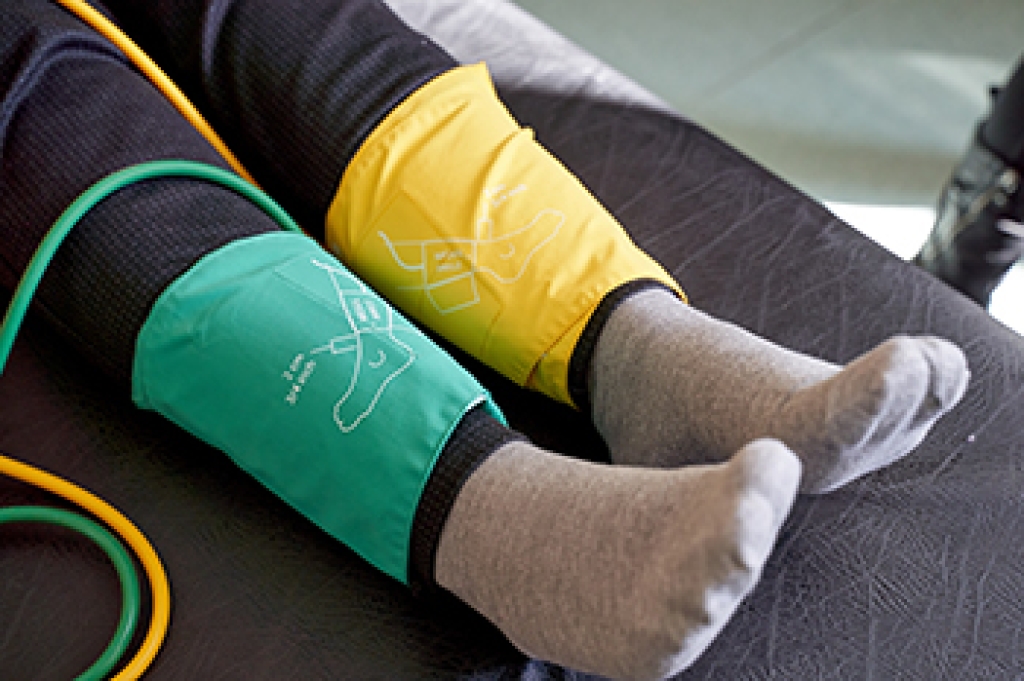
While PAD occurs in the legs and arteries, Podiatrists can diagnose PAD. Podiatrists utilize a test called an ankle-brachial index (ABI). An ABI test compares blood pressure in your arm to you ankle to see if any abnormality occurs. Ultrasound and imaging devices may also be used.
Treatment
Fortunately, lifestyle changes such as maintaining a healthy diet, exercising, managing cholesterol and blood sugar levels, and quitting smoking, can all treat PAD. Medications that prevent clots from occurring can be prescribed. Finally, in some cases, surgery may be recommended.
If you have any questions, please feel free to contact our office located in Rogers and Berryville, AR . We offer the newest diagnostic and treatment technologies for all your foot care needs.
