Choosing Running Shoes for Everyday Walking

Many people reach for running shoes when they head out for a walk, and in many cases this choice works well. Running shoes are designed to absorb impact, support forward motion, and cushion the feet during repetitive steps. These features can make walking more comfortable, especially on hard surfaces. However, not every running shoe suits every walker. Some styles are built for speed and may feel too firm or too curved for a steady walking pace. Others have extra cushioning that can change how the foot contacts the ground. Paying attention to how your feet feel during and after a walk is the best guide. If discomfort, pressure points, or unusual fatigue develop, it is suggested that you schedule an appointment with a podiatrist for personalized footwear advice.

If you are a runner, wearing the right running shoe is essential. For more information, contact one of our podiatrists from Family Foot Health Center. Our doctors can provide the care you need to keep you pain-free and on your feet.

Choosing the Right Running Shoe for Your Foot Type

To increase performance and avoid the risk of injury, it is important to choose the right running shoe based on your foot type. The general design of running shoes revolves around pronation, which is how the ankle rolls from outside to inside when the foot strikes the ground.

  • Neutral runners are able to choose from a wide variety of shoes, including minimalist shoes or even going barefoot.
  • Runners who overpronate, or experience an over-abundance of ankle rolling, should choose shoes that provide extra motion control and stability.
  • Runners who underpronate, or supinate, have feet that have high arches and lack flexibility, preventing shock absorption. They require shoes with more flexibility and cushion.

If you have any questions, please feel free to contact our office located in Rogers and Berryville, AR . We offer the newest diagnostic and treatment technologies for all your foot care needs.

Read more about Choosing the Right Running Shoe for Your Foot Type

What Podiatrists Do Every Day to Keep You Moving

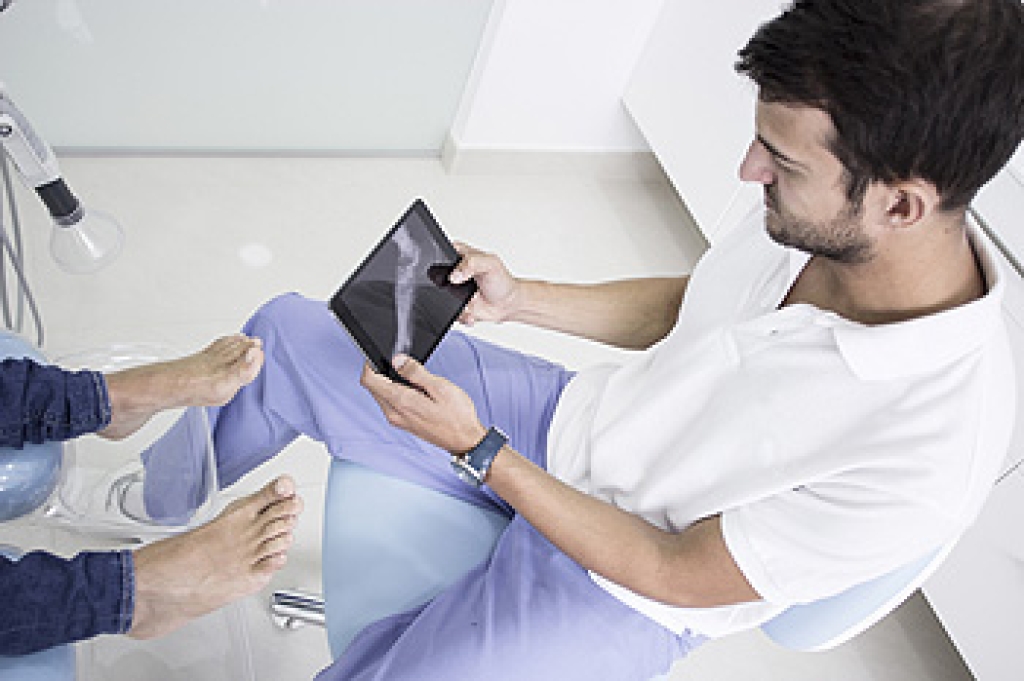
A podiatrist’s job focuses on diagnosing, treating, and preventing conditions that affect the feet and ankles. Their work ranges from caring for simple concerns like nail problems, calluses, or heel pain, to managing more complex issues such as fractures, tendon injuries, and chronic conditions that affect mobility. They examine how your feet function, evaluate symptoms, and use diagnostic tools like X-rays or ultrasounds to understand the source of discomfort. Podiatrists also play an important role in long-term health. They provide custom orthotics for support, monitor diabetic foot concerns, treat wounds, and guide patients through recovery after surgery or injury. Education is a major part of their work, helping people make better choices about footwear, activity levels, and overall foot health. When foot or ankle pain interferes with daily life or keeps returning, it is suggested that you see a podiatrist for a proper evaluation and appropriate treatment.

If you are dealing with pain in your feet and ankles, you may want to seek help from a podiatrist. Feel free to contact one of our podiatrists from Family Foot Health Center. Our doctors can provide the care you need to keep you pain-free and on your feet.

What Is a Podiatrist?

A podiatrist is a doctor of podiatric medicine who diagnoses and treats conditions of the foot, ankle, and related structures of the leg. Your podiatrist may specialize in a certain field such as sports medicine, wound care, pediatrics, and diabetic care. Podiatrists have the ability to become board certified through training, clinical experience, and then taking an exam.

What Do Podiatrists Do?

On a daily basis, a podiatrist may perform the following activities:

  • Diagnose foot ailments such as ulcers, tumors, fractures, etc.
  • Use innovative methods to treat conditions
  • Use corrective orthotics, casts, and strappings to correct deformities
  • Correct walking patterns and balance
  • Provide individual consultations to patients

It is very important that you take care of your feet. It’s easy to take having healthy feet for granted, however foot problems tend to be among the most common health conditions. Podiatrists can help diagnose and treat a variety of feet related conditions, so it is crucial that you visit one if you need assistance.

If you have any questions, please feel free to contact our office located in Rogers and Berryville, AR . We offer the newest diagnostic and treatment technologies for all your foot care needs.

Read more about What is a Podiatrist?

All About Gout and Your Feet

Gout is a painful type of arthritis that often affects the big toe, but can also impact other joints in the feet and ankles. It is more likely to occur in men over 40, postmenopausal women, and individuals with a diet high in red meat, seafood, or alcohol. Gout develops when uric acid builds up in the blood and forms sharp crystals in the joints. These crystals cause sudden episodes of severe pain, redness, swelling, and warmth, often waking people at night. The affected area may appear shiny, inflamed, and extremely tender to the touch. A podiatrist can help diagnose gout through physical examination, imaging, and laboratory testing to measure uric acid levels. Treatment may include medication to reduce inflammation and pain, dietary changes, and long-term management to prevent future flare-ups. If you experience symptoms of gout, it is suggested that you make an appointment with a podiatrist to receive proper care and relief. 

Gout is a foot condition that requires certain treatment and care. If you are seeking treatment, contact one of our podiatrists from Family Foot Health Center. Our doctors will treat your foot and ankle needs.

What Is Gout?

Gout is a type of arthritis caused by a buildup of uric acid in the bloodstream. It often develops in the foot, especially the big toe area, although it can manifest in other parts of the body as well. Gout can make walking and standing very painful and is especially common in diabetics and the obese.

People typically get gout because of a poor diet. Genetic predisposition is also a factor. The children of parents who have had gout frequently have a chance of developing it themselves.

Gout can easily be identified by redness and inflammation of the big toe and the surrounding areas of the foot. Other symptoms include extreme fatigue, joint pain, and running high fevers. Sometimes corticosteroid drugs can be prescribed to treat gout, but the best way to combat this disease is to get more exercise and eat a better diet.

If you have any questions, please feel free to contact our office located in Rogers and Berryville, AR . We offer the newest diagnostic and treatment technologies for all your foot care needs.
Read more about Everything You Need to Know About Gout

Podiatric Treatment for Ingrown Toenails

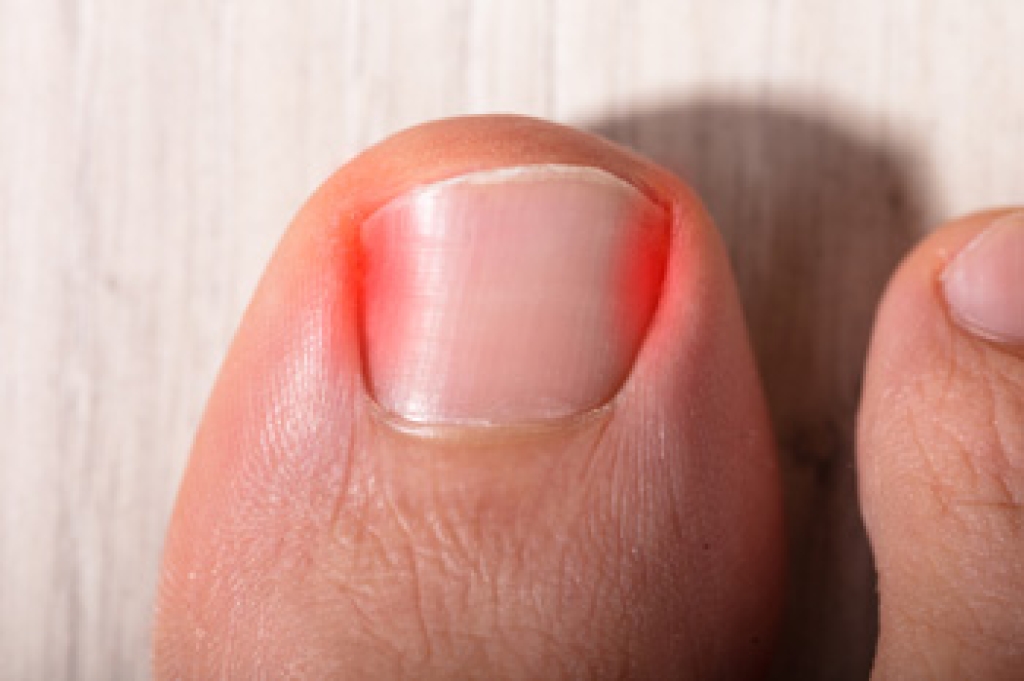
Ingrown toenails occur when the edge of the nail grows into the surrounding skin, causing pain, redness, and swelling. If left untreated, the area can become infected and make walking uncomfortable. Podiatrists are specially trained to manage this condition safely and effectively. Treatment depends on the severity of the problem. In mild cases, the nail edge may be gently lifted and trimmed to relieve pressure. For more advanced or recurring cases, a minor in-office procedure may be performed to remove a small part of the nail or the underlying nail root to prevent regrowth in that area. Proper cleaning, antibiotic care, and protective bandaging help the toe heal quickly. A podiatrist also provides guidance on trimming techniques and footwear to reduce future problems. If you have a painful ingrown toenail, it is suggested that you seek prompt professional care from a podiatrist who can help restore comfort and prevent further complications.

Ingrown toenails may initially present themselves as a minor discomfort, but they may progress into an infection in the skin without proper treatment. For more information about ingrown toenails, contact one of our podiatrists of Family Foot Health Center. Our doctors can provide the care you need to keep you pain-free and on your feet.

Ingrown Toenails

Ingrown toenails are caused when the corner or side of a toenail grows into the soft flesh surrounding it. They often result in redness, swelling, pain, and in some cases, infection. This condition typically affects the big toe and may recur if it is not treated properly.

Causes

  • Improper toenail trimming
  • Genetics
  • Improper shoe fitting
  • Injury from pedicures or nail picking
  • Abnormal gait
  • Poor hygiene

You are more likely to develop an ingrown toenail if you are obese, have diabetes, arthritis, or have any fungal infection in your nails. Additionally, people who have foot or toe deformities are at a higher risk of developing an ingrown toenail.

Symptoms

Some symptoms of ingrown toenails are redness, swelling, and pain. In rare cases, there may be a yellowish drainage coming from the nail.

Treatment

Ignoring an ingrown toenail can have serious complications. Infections of the nail border can progress to a deeper soft-tissue infection, which can then turn into a bone infection. You should always speak with your podiatrist if you suspect you have an ingrown toenail, especially if you have diabetes or poor circulation.

If you have any questions, please feel free to contact our office located in Rogers and Berryville, AR . We offer the newest diagnostic and treatment technologies for all your foot care needs.
Read more about Ingrown Toenail Care

When Ankle Pain Appears Without an Obvious Injury

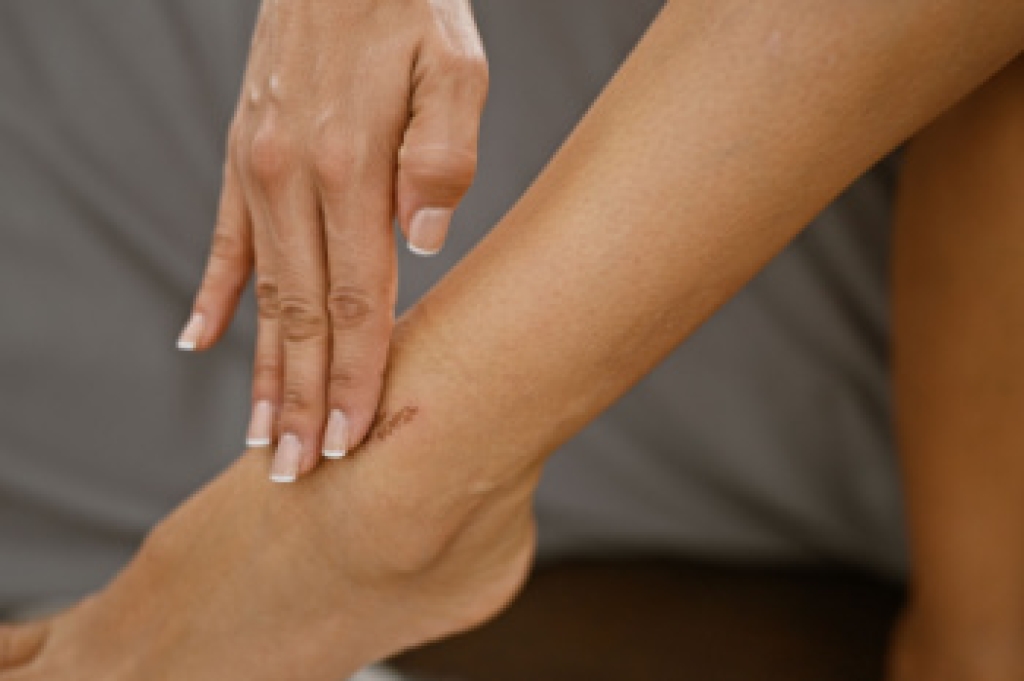
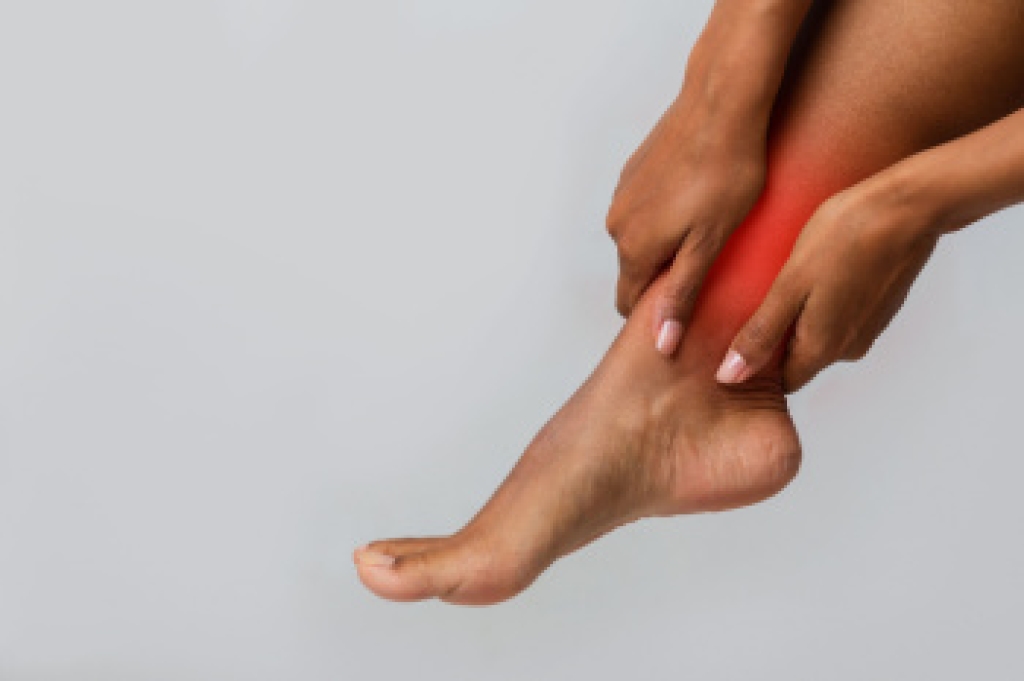
It can be surprising to feel ankle pain when you have not twisted, fallen, or had any clear accident. However, sudden discomfort can develop from issues that build quietly over time. Conditions such as tendon inflammation, gout, arthritis, or even nerve irritation can cause swelling and pain without a recent injury. Sometimes, repetitive motion or wearing unsupportive shoes places extra stress on the ankle joint and surrounding ligaments, leading to stiffness or tenderness. Ignoring these early signs can allow the problem to worsen, making walking or standing uncomfortable. A podiatrist can perform a detailed evaluation to identify the true cause of the pain and recommend treatment, such as rest, supportive footwear, targeted exercises, or medication to reduce inflammation. If ankle pain appears suddenly or persists without explanation, it is suggested that you schedule a podiatric visit for a diagnosis and appropriate care.

Ankle pain can be caused by a number of problems and may be potentially serious. If you have ankle pain, consult with one of our podiatrists from Family Foot Health Center. Our doctors will assess your condition and provide you with quality foot and ankle treatment.

Ankle pain is any condition that causes pain in the ankle. Due to the fact that the ankle consists of tendons, muscles, bones, and ligaments, ankle pain can come from a number of different conditions.

Causes

The most common causes of ankle pain include:

  • Types of arthritis (rheumatoid, osteoarthritis, and gout)
  • Ankle sprains
  • Broken ankles
  • Achilles tendonitis
  • Achilles tendon rupture
  • Stress fractures
  • Bursitis
  • Tarsal tunnel syndrome
  • Plantar fasciitis

Symptoms

Symptoms of ankle injury vary based upon the condition. Pain may include general pain and discomfort, swelling, aching, redness, bruising, burning or stabbing sensations, and/or loss of sensation.

Diagnosis

Due to the wide variety of potential causes of ankle pain, podiatrists will utilize a number of different methods to properly diagnose ankle pain. This can include asking for personal and family medical histories and of any recent injuries. Further diagnosis may include sensation tests, a physical examination, and potentially x-rays or other imaging tests.

Treatment

Just as the range of causes varies widely, so do treatments. Some more common treatments are rest, ice packs, keeping pressure off the foot, orthotics and braces, medication for inflammation and pain, and surgery.

If you have any questions please feel free to contact our office located in Rogers and Berryville, AR . We offer the newest diagnostic tools and technology to treat your foot and ankle needs.

Read more about Ankle Pain

Relieving Pain on the Top of the Foot

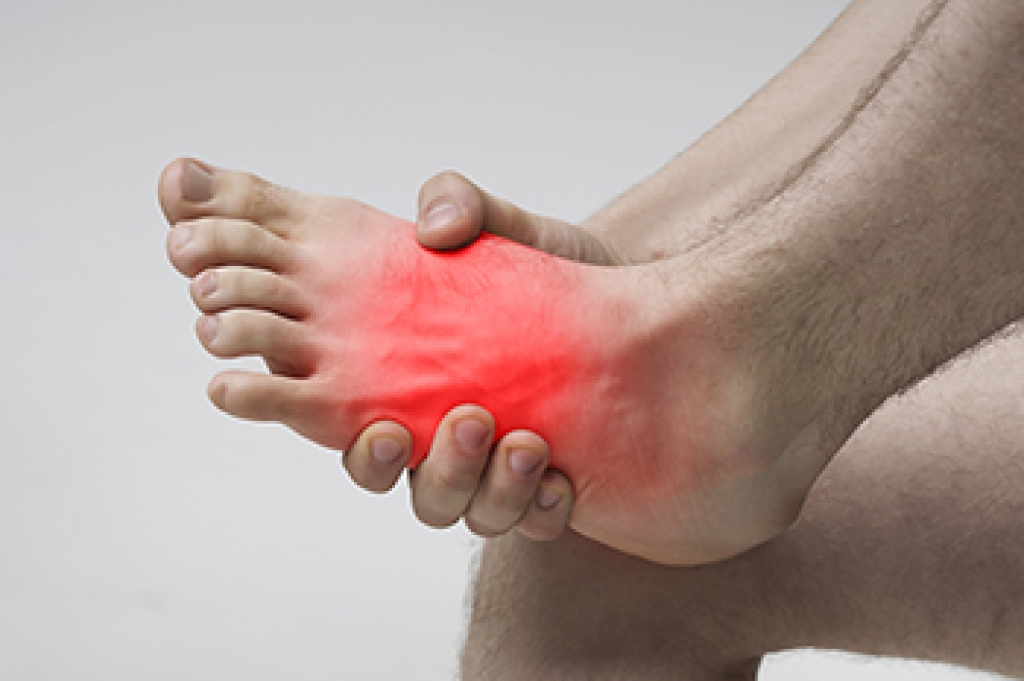
Pain on the top of the foot can make walking and wearing shoes difficult. It may result from overuse, tendon inflammation, arthritis, nerve irritation, or wearing ill-fitting footwear. Sometimes the discomfort begins gradually and worsens with activity or pressure from tight laces or shoes. A podiatrist can evaluate the source of the pain through a physical exam and imaging if needed, then create a treatment plan tailored to your needs. Options may include rest, custom orthotics, stretching exercises, and supportive footwear to ease strain on the affected area. Addressing the problem early helps prevent further injury and restores comfort with movement. If you experience persistent pain, swelling, or tenderness on the top of your foot, it is suggested you schedule an appointment with a podiatrist for appropriate treatment solutions.

Foot Pain

Foot pain can be extremely painful and debilitating. If you have a foot pain, consult with one of our podiatrists from Family Foot Health Center. Our doctors will assess your condition and provide you with quality foot and ankle treatment.

Causes

Foot pain is a very broad condition that could be caused by one or more ailments. The most common include:

  • Bunions
  • Hammertoes
  • Plantar Fasciitis
  • Bone Spurs
  • Corns
  • Tarsal Tunnel Syndrome
  • Ingrown Toenails
  • Arthritis (such as Gout, Rheumatoid, and Osteoarthritis)
  • Flat Feet
  • Injury (from stress fractures, broken toe, foot, ankle, Achilles tendon ruptures, and sprains)
  • And more

Diagnosis

To figure out the cause of foot pain, podiatrists utilize several different methods. This can range from simple visual inspections and sensation tests to X-rays and MRI scans. Prior medical history, family medical history, and any recent physical traumatic events will all be taken into consideration for a proper diagnosis.

Treatment

Treatment depends upon the cause of the foot pain. Whether it is resting, staying off the foot, or having surgery; podiatrists have a number of treatment options available for foot pain.

If you have any questions, please feel free to contact our office located in Rogers and Berryville, AR . We offer the newest diagnostic and treatment technologies for all your foot care needs.
Read more about Foot Pain

Your Critical Diabetic Foot Check Up

For individuals managing diabetes, a foot wound is not just a minor injury, it represents a serious health risk. Elevated blood sugar over time can damage nerves, called neuropathy, and cause a dulling sensation so a small cut or blister goes unnoticed. Additionally, poor circulation, known as peripheral artery disease, slows healing, turning a simple wound into a chronic, non-healing ulcer that puts you at high risk for infection and potential limb loss. A podiatrist's role involves an important risk assessment to determine your level of vulnerability. This comprehensive exam includes checking for nerve function using specialized tools, assessing blood flow through palpation and Doppler studies, and evaluating any structural deformities that cause pressure points. This detailed information allows us to implement a targeted prevention and treatment plan, which is essential to safeguarding your mobility and overall health. Do not wait for a problem to appear. If you have diabetes and notice any changes to your feet, skin, or nail condition, it is suggested that you promptly schedule an appointment with a podiatrist for an exam and appropriate treatment.

Wound care is an important part in dealing with diabetes. If you have diabetes and a foot wound or would like more information about wound care for diabetics, consult with one of our podiatrists from Family Foot Health Center. Our doctors will assess your condition and provide you with quality foot and ankle treatment.

What Is Wound Care?

Wound care is the practice of taking proper care of a wound. This can range from the smallest to the largest of wounds. While everyone can benefit from proper wound care, it is much more important for diabetics. Diabetics often suffer from poor blood circulation which causes wounds to heal much slower than they would in a non-diabetic. 

What Is the Importance of Wound Care?

While it may not seem apparent with small ulcers on the foot, for diabetics, any size ulcer can become infected. Diabetics often also suffer from neuropathy, or nerve loss. This means they might not even feel when they have an ulcer on their foot. If the wound becomes severely infected, amputation may be necessary. Therefore, it is of the upmost importance to properly care for any and all foot wounds.

How to Care for Wounds

The best way to care for foot wounds is to prevent them. For diabetics, this means daily inspections of the feet for any signs of abnormalities or ulcers. It is also recommended to see a podiatrist several times a year for a foot inspection. If you do have an ulcer, run the wound under water to clear dirt from the wound; then apply antibiotic ointment to the wound and cover with a bandage. Bandages should be changed daily and keeping pressure off the wound is smart. It is advised to see a podiatrist, who can keep an eye on it.

If you have any questions please contact our office located in Rogers and Berryville, AR . We offer the newest diagnostic and treatment technologies for all your foot and ankle needs.

Read more about Wound Care

Gout Pain Can Be Managed

Gout is a painful, inflammatory form of arthritis. Those affected will typically feel an intense stiffness in the joints of their feet, particularly in the big toe. Schedule a visit to learn about how gout can be managed and treated.

Athlete’s Foot and Its Causes

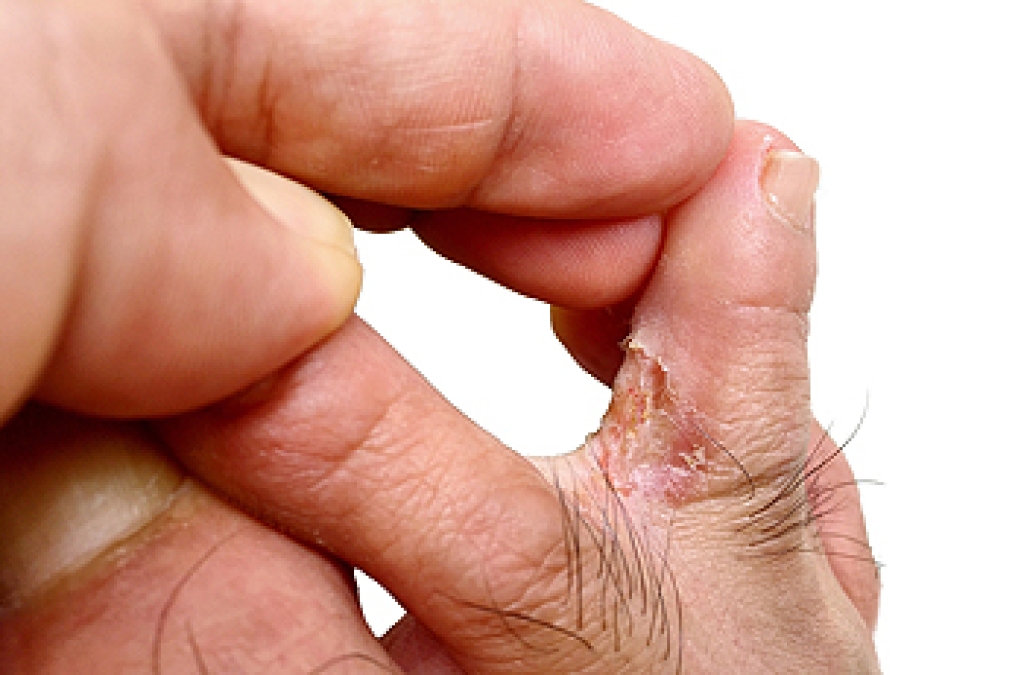
Athlete’s foot is a common fungal infection that affects the skin of the feet, often developing between the toes. It thrives in warm, moist environments, such as sweaty shoes or public locker rooms. Causes include prolonged dampness, poor foot hygiene, and walking barefoot in public places. Symptoms include itching and burning between the toes, redness, foul odor, a scaly rash, and sometimes painful blisters. If left untreated, it can spread to the toenails or other parts of the body. A podiatrist can diagnose the infection, recommend anti-fungal treatments, and provide guidance on preventing recurrence. For professional care and lasting relief from athlete’s foot, it is suggested that you consult a podiatrist who can offer effective relief and treatment solutions, which may include prescribed medication.

Athlete’s foot is an inconvenient condition that can be easily reduced with the proper treatment. If you have any concerns about your feet and ankles, contact one of our podiatrists from Family Foot Health Center.  Our doctors will treat your foot and ankle needs.

Athlete’s Foot: The Sole Story

Athlete's foot, also known as tinea pedis, can be an extremely contagious foot infection. It is commonly contracted in public changing areas and bathrooms, dormitory style living quarters, around locker rooms and public swimming pools, or anywhere your feet often come into contact with other people.

Solutions to Combat Athlete’s Foot

  • Hydrate your feet by using lotion
  • Exfoliate
  • Buff off nails
  • Use of anti-fungal products
  • Examine your feet and visit your doctor if any suspicious blisters or cuts develop

Athlete’s foot can cause many irritating symptoms such as dry and flaking skin, itching, and redness. Some more severe symptoms can include bleeding and cracked skin, intense itching and burning, and even pain when walking. In the worst cases, Athlete’s foot can cause blistering as well. Speak to your podiatrist for a better understanding of the different causes of Athlete’s foot, as well as help in determining which treatment options are best for you.

If you have any questions please feel free to contact our office located in Rogers and Berryville, AR . We offer the newest diagnostic and treatment technologies for all your foot and ankle needs.

Read more about How to Deal with Athlete's Foot