Blog
Lingering Foot Concerns After Early Clubfoot Surgery

Clubfoot is a congenital condition in which a baby is born with one or both feet turned inward and downward due to abnormal development of the bones, muscles, and soft tissues of the lower leg and foot. Some adolescents and young adults who were treated for clubfoot in childhood continue to notice foot and ankle challenges later in life. Early surgical approaches often focused on releasing tight soft tissues to improve alignment, which helped restore function at the time. As the body grows, however, those altered tissues may lack flexibility or strength. This can lead to stiffness, fatigue with activity, limited ankle motion, or discomfort during prolonged walking or sports. Changes in foot mechanics may also contribute to uneven shoe wear or callus formation. These symptoms are not uncommon and do not mean treatment failed, but they do deserve attention. Modern care focuses on restoring comfort, mobility, and balance through individualized evaluation. If ongoing foot or ankle symptoms interfere with daily life, it is suggested that a podiatrist evaluate the condition and discuss appropriate care options.
Congenital foot problems require immediate attention to avoid future complications. If you have any concerns, contact one of our podiatrists of Family Foot Health Center. Our doctors can provide the care you need to keep you pain-free and on your feet.
Congenital foot problems are deformities affecting the feet, toes, and/or ankles that children are born with. Some of these conditions have a genetic cause while others just happen. Some specific foot ailments that children may be born with include clubfeet, polydactyly/macrodactyly, and cleft foot. There are several other foot anomalies that can occur congenitally. What all of these conditions have in common is that a child may experience difficulty walking or performing everyday activities, as well as trouble finding footwear that fits their foot deformity. Some of these conditions are more serious than others. Consulting with a podiatrist as early as possible will help in properly diagnosing a child’s foot condition while getting the necessary treatment underway.
What are Causes of Congenital Foot Problem?
A congenital foot problem is one that happens to a child at birth. These conditions can be caused by a genetic predisposition, developmental or positional abnormalities during gestation, or with no known cause.
What are Symptoms of Congenital Foot Problems?
Symptoms vary by the congenital condition. Symptoms may consist of the following:
- Clubfoot, where tendons are shortened, bones are shaped differently, and the Achilles tendon is tight, causing the foot to point in and down. It is also possible for the soles of the feet to face each other.
- Polydactyly, which usually consists of a nubbin or small lump of tissue without a bone, a toe that is partially formed but has no joints, or an extra toe.
- Vertical talus, where the talus bone forms in the wrong position causing other bones in the foot to line up improperly, the front of the foot to point up, and the bottom of the foot to stiffen, with no arch, and to curve out.
- Tarsal coalition, when there is an abnormal connection of two or more bones in the foot leading to severe, rigid flatfoot.
- Cleft foot, where there are missing toes, a V-shaped cleft, and other anatomical differences.
- Macrodactyly, when the toes are abnormally large due to overgrowth of the underlying bone or soft tissue.
Treatment and Prevention
While there is nothing one can do to prevent congenital foot problems, raising awareness and receiving neonatal screenings are important. Early detection by taking your child to a podiatrist leads to the best outcome possible.
If you have any questions, please feel free to contact our office located in Rogers and Berryville, AR . We offer the newest diagnostic and treatment technologies for all your foot care needs.

Toenail Fungus Discomfort and Mental Well-Being

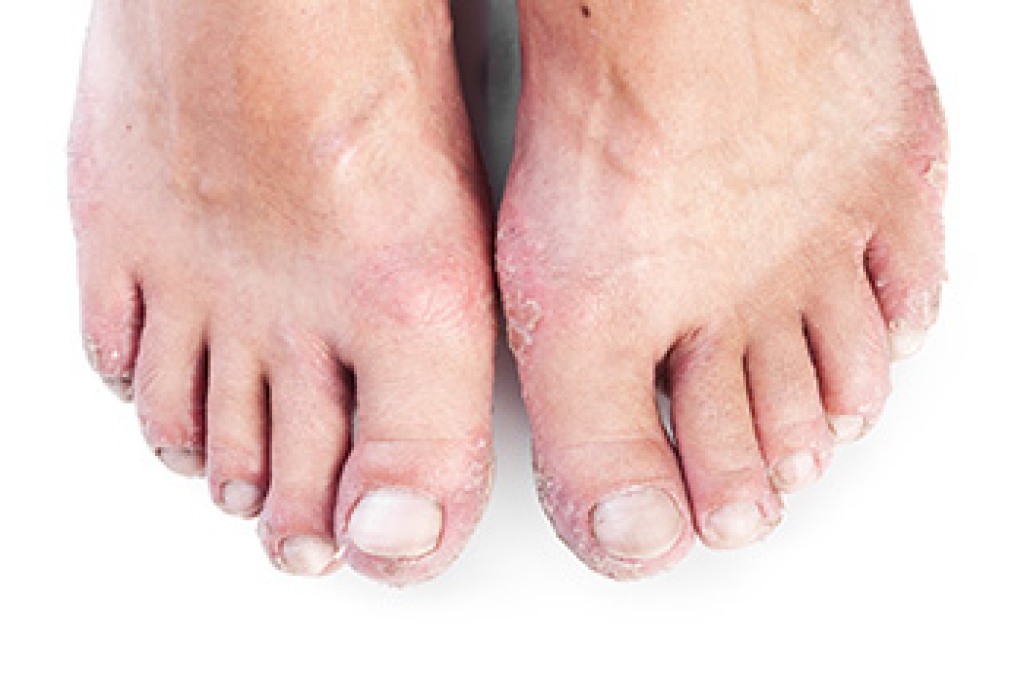
Toenail fungus is often dismissed as a cosmetic problem, but it can affect both physical comfort and emotional health. Thickened, brittle, or discolored nails may press against shoes, leading to irritation and pain with walking or standing. This ongoing discomfort can interfere with daily routines and limit physical activity. Many people also feel embarrassed by the appearance of infected nails, which may lead them to avoid open-toed shoes or social situations. Feeling self-conscious over time can quietly affect confidence and overall mental well-being. When left untreated, toenail fungus may worsen, making nails harder to trim and increasing discomfort. Addressing the problem early can improve both foot comfort and peace of mind. If toenail changes are causing pain, frustration, or emotional stress, it is suggested that you see a podiatrist for an accurate diagnosis and appropriate treatment, which may include prescribed medication.
For more information about treatment, contact one of our podiatrists of Family Foot Health Center. Our doctors can provide the care you need to keep you pain-free and on your feet.
Toenail Fungus Treatment
Toenail fungus is a condition that affects many people and can be especially hard to get rid of. Fortunately, there are several methods to go about treating and avoiding it.
Antifungals & Deterrence
Oral antifungal medicine has been shown to be effective in many cases. It is important to consult with a podiatrist to determine the proper regiment for you, or potentially explore other options.
Applying foot powder on the feet and shoes helps keep the feet free of moisture and sweat.
Sandals or open toed shoes – Wearing these will allow air movement and help keep feet dry. They also expose your feet to light, which fungus cannot tolerate. Socks with moisture wicking material also help as well.
If you have any questions please contact our office located in Rogers and Berryville, AR . We offer the newest diagnostic and treatment technologies for all your foot and ankle needs.
Offloading Strategies That Help Foot Wounds Heal

Wounds on the feet can develop for many reasons. Diabetes, poor circulation, nerve damage, pressure points, in addition to wearing ill-fitting shoes, surgery, and trauma can all break the skin and slow healing. Treatment often includes wound cleaning, infection control, specialized dressings, and sometimes antibiotics or advanced therapies. Offloading is just as important as these treatments. Offloading means reducing pressure on the wounded area so new tissue can form. This may involve a surgical shoe, removable boot, cast, custom insert, or temporary padding. When pressure continues, wounds reopen or fail to heal, even with good care. Proper offloading allows blood flow to improve and inflammation to settle. It also helps prevent deeper infection and further breakdown. Following offloading instructions at home is essential. Walking barefoot or skipping use of devices can reverse progress. Early care often improves outcomes. If you have sustained any kind of foot wound, it is suggested that you see a podiatrist for proper treatment and care.
Wound care is an important part in dealing with diabetes. If you have diabetes and a foot wound or would like more information about wound care for diabetics, consult with one of our podiatrists from Family Foot Health Center. Our doctors will assess your condition and provide you with quality foot and ankle treatment.
What Is Wound Care?
Wound care is the practice of taking proper care of a wound. This can range from the smallest to the largest of wounds. While everyone can benefit from proper wound care, it is much more important for diabetics. Diabetics often suffer from poor blood circulation which causes wounds to heal much slower than they would in a non-diabetic.
What Is the Importance of Wound Care?
While it may not seem apparent with small ulcers on the foot, for diabetics, any size ulcer can become infected. Diabetics often also suffer from neuropathy, or nerve loss. This means they might not even feel when they have an ulcer on their foot. If the wound becomes severely infected, amputation may be necessary. Therefore, it is of the upmost importance to properly care for any and all foot wounds.
How to Care for Wounds
The best way to care for foot wounds is to prevent them. For diabetics, this means daily inspections of the feet for any signs of abnormalities or ulcers. It is also recommended to see a podiatrist several times a year for a foot inspection. If you do have an ulcer, run the wound under water to clear dirt from the wound; then apply antibiotic ointment to the wound and cover with a bandage. Bandages should be changed daily and keeping pressure off the wound is smart. It is advised to see a podiatrist, who can keep an eye on it.
If you have any questions please contact our office located in Rogers and Berryville, AR . We offer the newest diagnostic and treatment technologies for all your foot and ankle needs.
When Inner Arch Support Starts to Break Down

Posterior tibial tendon irritation is a condition involving the tendon that runs along the inside of the ankle and foot, helping support the arch and stabilize movement. When this tendon becomes inflamed or overstressed, it can no longer function properly. Early signs of this condition often include pain or swelling along the inner foot, aching after activity, and a feeling of weakness when walking. Over time, the arch may gradually flatten, and standing or exercising can become uncomfortable. Treatment focuses on reducing stress on the tendon while restoring support. Care may include rest, activity modification, supportive footwear, custom orthotics, and targeted exercises to improve strength and flexibility. Addressing the problem early can slow progression and protect foot structure. If you notice inner foot pain, swelling, or arch changes, it is suggested that you see a podiatrist for an evaluation and treatment.
Ankle pain can have many different causes and the pain may potentially be serious. If you have ankle pain, consult with one of our podiatrists from Family Foot Health Center. Our doctors will assess your condition and provide you with quality foot and ankle treatment.
Ankle pain is any condition that causes pain in the ankle. Due to the fact that the ankle consists of tendons, muscles, bones, and ligaments, ankle pain can come from a number of different conditions.
Causes
The most common causes of ankle pain include:
- Types of arthritis (rheumatoid, osteoarthritis, and gout)
- Ankle sprains
- Broken ankles
- Achilles tendinitis
- Achilles tendon rupture
- Stress fractures
- Tarsal tunnel syndrome
- Plantar fasciitis
Symptoms
Symptoms of ankle injury vary based upon the condition. Pain may include general pain and discomfort, swelling, aching, redness, bruising, burning or stabbing sensations, and/or loss of sensation.
Diagnosis
Due to the wide variety of potential causes of ankle pain, podiatrists will utilize a number of different methods to properly diagnose ankle pain. This can include asking for personal and family medical histories and of any recent injuries. Further diagnosis may include sensation tests, a physical examination, and potentially x-rays or other imaging tests.
Treatment
Just as the range of causes varies widely, so do treatments. Some more common treatments are rest, ice packs, keeping pressure off the foot, orthotics and braces, medication for inflammation and pain, and surgery.
If you have any questions please feel free to contact our office located in Rogers and Berryville, AR . We offer the newest diagnostic tools and technology to treat your foot and ankle needs.