What Heel Pain May Indicate

Plantar fasciitis is often described as sharp heel pain with first steps, but many people notice it behaves in less predictable ways. The plantar fascia, a strong band of tissue along the bottom of the foot, helps store and release energy with each step. When it becomes irritated, the pain may ease after moving, then return later in the day or after standing too long. Tight calves, changes in activity, or even long periods of sitting can all play a role. It is not always about overuse. Wearing supportive shoes, gentle stretching, and pacing daily activity can help calm symptoms. Avoiding sudden increases in walking or exercise is also important. Early attention can prevent a longer recovery. If heel discomfort lingers or keeps returning, it is suggested that you see a podiatrist for a diagnosis and appropriate treatment.

Plantar fasciitis is a common foot condition that is often caused by a strain injury. If you are experiencing heel pain or symptoms of plantar fasciitis, contact one of our podiatrists from Family Foot Health Center. Our doctors can provide the care you need to keep you pain-free and on your feet.

What Is Plantar Fasciitis?

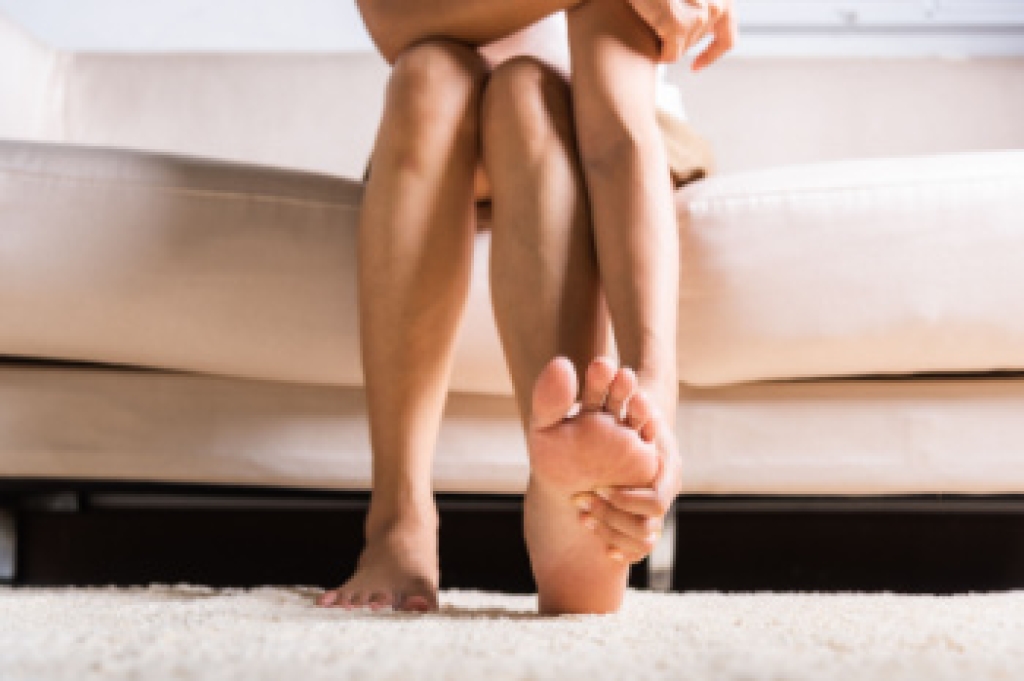
Plantar fasciitis is one of the most common causes of heel pain. The plantar fascia is a ligament that connects your heel to the front of your foot. When this ligament becomes inflamed, plantar fasciitis is the result. If you have plantar fasciitis you will have a stabbing pain that usually occurs with your first steps in the morning. As the day progresses and you walk around more, this pain will start to disappear, but it will return after long periods of standing or sitting.

What Causes Plantar Fasciitis?

  • Excessive running
  • Having high arches in your feet
  • Other foot issues such as flat feet
  • Pregnancy (due to the sudden weight gain)
  • Being on your feet very often

There are some risk factors that may make you more likely to develop plantar fasciitis compared to others. The condition most commonly affects adults between the ages of 40 and 60. It also tends to affect people who are obese because the extra pounds result in extra stress being placed on the plantar fascia.

Prevention

  • Take good care of your feet – Wear shoes that have good arch support and heel cushioning.
  • Maintain a healthy weight
  • If you are a runner, alternate running with other sports that won’t cause heel pain

There are a variety of treatment options available for plantar fasciitis along with the pain that accompanies it. Additionally, physical therapy is a very important component in the treatment process. It is important that you meet with your podiatrist to determine which treatment option is best for you.

If you have any questions, please feel free to contact our office located in Rogers and Berryville, AR . We offer the newest diagnostic and treatment technologies for all your foot care needs.

 

Read more about Plantar Fasciitis

Fungal Toenail Infections

Fungal infections can cause the toenails to become thickened, discolored, and brittle over time. The toenail may appear yellow, white, or even darkened, and its surface can look uneven or crumbly. Some patients notice a buildup of debris beneath the nail or a separation from the nail bed. While the condition is often painless at first, it can lead to discomfort as the toenail thickens or presses against footwear. Fungal nails develop when fungi thrive in warm, moist environments, such as sweaty feet. Minor toenail injuries or a weakened immune system are other factors. A podiatrist can confirm the diagnosis through examination and testing if needed. Treatment includes topical or oral antifungal medication, as well as professional toenail care to reduce thickness and improve appearance. Addressing the infection early can help prevent its spread to other nails. If you are dealing with fungal toenails, it is suggested that you make an appointment with a podiatrist.

If left untreated, toenail fungus may spread to other toenails, skin, or even fingernails. If you suspect you have toenail fungus it is important to seek treatment right away. For more information about treatment, contact one of our podiatrists of Family Foot Health Center. Our doctors can provide the care you need to keep you pain-free and on your feet.

Symptoms

  • Warped or oddly shaped nails
  • Yellowish nails
  • Loose/separated nail
  • Buildup of bits and pieces of nail fragments under the nail
  • Brittle, broken, thickened nail

Treatment

If self-care strategies and over-the-counter medications does not help your fungus, your podiatrist may give you a prescription drug instead. Even if you find relief from your toenail fungus symptoms, you may experience a repeat infection in the future.

Prevention

In order to prevent getting toenail fungus in the future, you should always make sure to wash your feet with soap and water. After washing, it is important to dry your feet thoroughly especially in between the toes. When trimming your toenails, be sure to trim straight across instead of in a rounded shape. It is crucial not to cover up discolored nails with nail polish because that will prevent your nail from being able to “breathe”.

In some cases, surgical procedure may be needed to remove the toenail fungus. Consult with your podiatrist about the best treatment options for your case of toenail fungus.  

If you have any questions please contact our office located in Rogers and Berryville, AR . We offer the newest diagnostic and treatment technologies for all your foot and ankle needs.

Read more about How to Treat Your Toenail Fungus

How Acute Ankle Sprains Are Treated

An ankle sprain can happen suddenly with a twist, misstep, or fall. It often causes pain, swelling, and difficulty putting weight on the foot. Early care focuses on protecting the joint and reducing swelling. Resting the ankle, using light compression, and elevating the foot can help control discomfort in the first few days. Support may be needed to allow healing. This can include a brace, wrap, or short period of limited weight-bearing. As pain improves, gentle movement and strengthening exercises are introduced to restore stability and prevent future sprains. In more severe cases, imaging may be used to check for additional damage, and a longer period of support may be required. Recovery takes time and proper care is important. If pain, swelling, or instability continues after an ankle sprain, it is suggested that you see a podiatrist for a thorough evaluation and appropriate treatment.

Although ankle sprains are common, they aren’t always minor injuries. If you need your ankle injury looked at, contact one of our podiatrists from Family Foot Health Center. Our doctors can provide the care you need to keep you pain-free and on your feet.

How Does an Ankle Sprain Occur?

Ankle sprains are the result of a tear in the ligaments within the ankle. These injuries may happen when you make a rapid shifting movement while your foot is planted. A less common way to sprain your ankle is when your ankle rolls inward while your foot turns outward.

What Are the Symptoms?

  • Pain at the sight of the tear
  • Bruising/Swelling
  • Ankle area is tender to touch
  • In severe cases, may hear/feel something tear
  • Skin discoloration

Preventing a Sprain

  • Wearing appropriate shoes for the occasion
  • Stretching before exercises and sports
  • Knowing your limits

Treatment of a Sprain

In many cases, the RICE method (Rest, Ice, Compression, and Elevate) is used to treat ankle sprains. However, you should see a podiatrist to see which treatment option would work best with your injury. In severe cases, surgery may be required.

It is important to ask your doctor about rehab options after you receive treatment for your injury. Stretching, strength training, and balance exercises may help the ankle heal while also preventing further injury.

If you have any questions, please feel free to contact our office located in Rogers and Berryville, AR . We offer the newest diagnostic and treatment technologies for all your foot care needs.
Read more about Ankle Sprains

Heel Pain Can Be Treated!

Do you suffer from heel pain when you get up in the morning? If so, you should seek professional help and have a proper diagnosis performed. Heel pain can be caused by several different foot-related conditions.

Simple Habits That Help Keep Feet Healthy

Healthy feet support comfort, mobility, and an active lifestyle. Simple daily habits can go a long way in protecting them. Washing the feet each day and drying carefully between the toes helps prevent skin infections. Moisturizing the tops and bottoms of the feet keeps skin from becoming dry and cracked, although lotion should not be placed between the toes. Toenails should be trimmed straight across to help prevent painful ingrown nails. Wearing well-fitted shoes with good support can reduce pressure and protect the feet from injury. It is also helpful to change socks regularly and choose breathable materials that keep feet dry. Regular movement and gentle stretching can keep muscles and joints working properly. Paying attention to any new pain, swelling, or changes in the skin or nails is important. If you notice persistent foot discomfort or unusual changes, it is suggested that you see a podiatrist for a proper diagnosis and appropriate treatment.

Everyday foot care is very important to prevent infection and other foot ailments. If you need your feet checked, contact one of our podiatrists from Family Foot Health Center. Our doctors can provide the care you need to keep you pain-free and on your feet.

Everyday Foot Care

Often, people take care of their bodies, face and hair more so than they do for their feet. But the feet are a very important aspect of our bodies, and one that we should pay more attention to. Without our feet, we would not be able to perform most daily tasks.

It is best to check your feet regularly to make sure there are no new bruises or cuts that you may not have noticed before. For dry feet, moisturizer can easily be a remedy and can be applied as often as necessary to the affected areas. Wearing shoes that fit well can also help you maintain good foot health, as well as making it easier to walk and do daily activities without the stress or pain of ill-fitting shoes, high heels, or even flip flops. Wearing clean socks with closed shoes is important to ensure that sweat and bacteria do not accumulate within the shoe. Clean socks help to prevent Athlete’s foot, fungi problems, bad odors, and can absorb sweat.

If you have any questions, please feel free to contact our office located in Rogers and Berryville, AR . We offer the newest diagnostic and treatment technologies for all your foot care needs.

Read more about Everyday Foot Care