Protecting Your Feet When You Have Diabetes

Living with diabetes requires daily attention to foot health. High blood sugar can damage nerves and reduce circulation over time. When feeling decreases, small cuts or blisters may go unnoticed. Poor blood flow can also slow healing, allowing minor injuries to become serious wounds. Common concerns include dry, cracked skin, calluses, infections, and open sores. Changes in foot shape or skin color should also be taken seriously. Even a small problem can worsen quickly without proper care. Washing and drying the feet carefully, applying moisturizer to prevent cracking, and wearing well-fitting shoes are simple but important steps. Checking the bottoms of the feet each day helps detect changes. Regular visits with a podiatrist provide professional monitoring and early treatment when needed. Managing blood sugar levels also plays a key role in protecting foot health. If you have diabetes and notice redness, swelling, numbness, or a sore on your foot that is not healing, it is suggested that you see a podiatrist for a proper diagnosis and appropriate treatment.

Diabetic foot care is important in preventing foot ailments such as ulcers. If you are suffering from diabetes or have any other concerns about your feet, contact one of our podiatrists from Family Foot Health Center. Our doctors can provide the care you need to keep you pain-free and on your feet.

Diabetic Foot Care

Diabetes affects millions of people every year. The condition can damage blood vessels in many parts of the body, especially the feet. Because of this, taking care of your feet is essential if you have diabetes, and having a podiatrist help monitor your foot health is highly recommended.

The Importance of Caring for Your Feet

  • Routinely inspect your feet for bruises or sores.
  • Wear socks that fit your feet comfortably.
  • Wear comfortable shoes that provide adequate support.

Patients with diabetes should have their doctor monitor their blood levels, as blood sugar levels play such a huge role in diabetic care. Monitoring these levels on a regular basis is highly advised.

It is always best to inform your healthcare professional of any concerns you may have regarding your feet, especially for diabetic patients. Early treatment and routine foot examinations are keys to maintaining proper health, especially because severe complications can arise if proper treatment is not applied.

If you have any questions, please feel free to contact our office located in Rogers and Berryville, AR . We offer the newest diagnostic and treatment technologies for all your foot care needs.

Read more about Diabetic Foot Conditions

Foot Blisters Caused by Friction

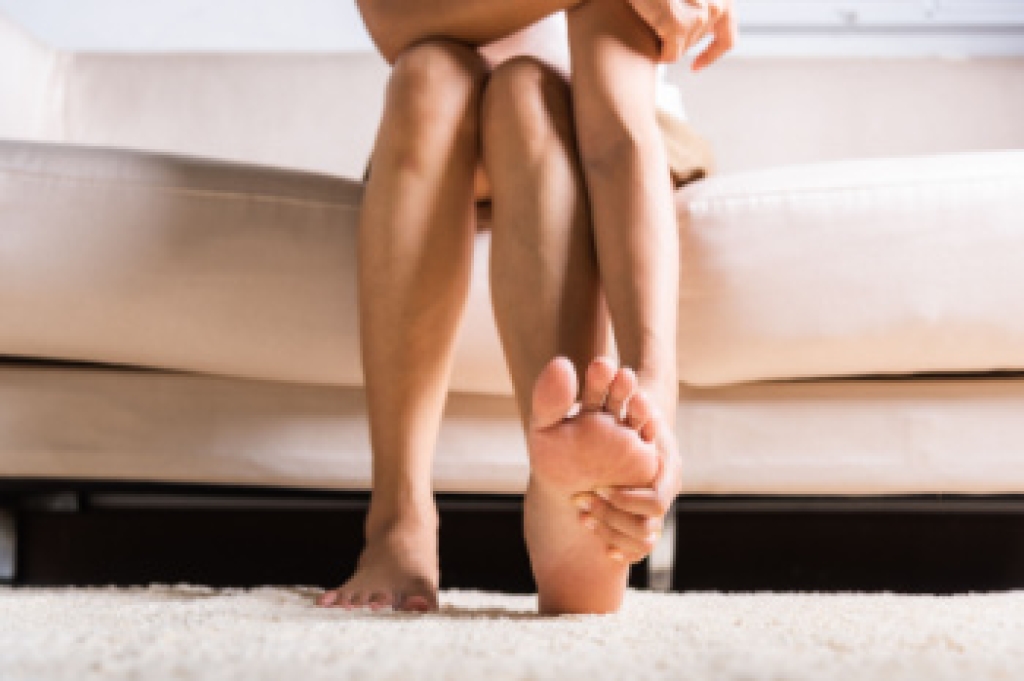
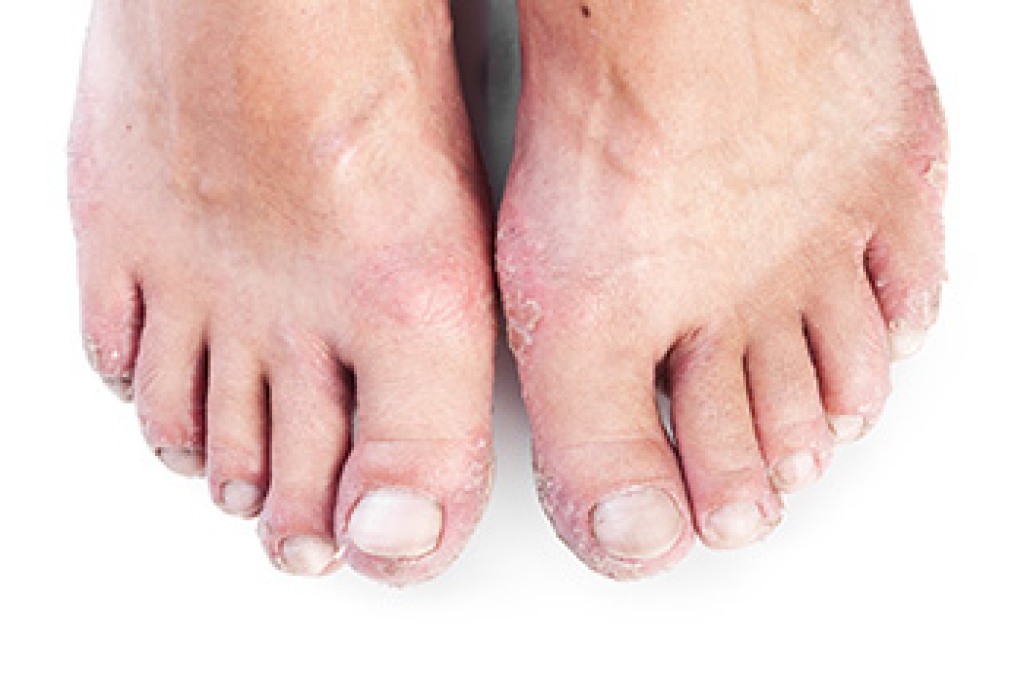
Friction blisters form when repeated rubbing causes the top layers of skin to separate and fill with fluid. They often develop on the heels, toes, or sides of the feet, especially during walking, exercise, or long periods in new or poorly fitting shoes. Moisture from sweat increases friction, making blisters more likely. At first, a hot or burning feeling may be noticed before a visible bubble appears. While small blisters may heal on their own, larger or broken blisters can become painful and infected. Wearing proper footwear, moisture control, and protective padding can help prevent them. Blisters should not be ignored, particularly in people with diabetes or poor circulation. If a blister becomes red, drains, or does not heal, it is suggested that you see a podiatrist for evaluation and safe treatment.

Blisters may appear as a single bubble or in a cluster. They can cause a lot of pain and may be filled with pus, blood, or watery serum. If your feet are hurting, contact one of our podiatrists of Family Foot Health Center. Our doctors can provide the care you need to keep you pain-free and on your feet.

Foot Blisters

Foot blisters are often the result of friction. This happens due to the constant rubbing from shoes, which can lead to pain.

What Are Foot Blisters?

A foot blister is a small fluid-filled pocket that forms on the upper-most layer of the skin. Blisters are filled with clear fluid and can lead to blood drainage or pus if the area becomes infected.

Symptoms

(Blister symptoms may vary depending on what is causing them)

  • Bubble of skin filled with fluid
  • Redness
  • Moderate to severe pain
  • Itching

Prevention & Treatment

In order to prevent blisters, you should be sure to wear comfortable shoes with socks that cushion your feet and absorb sweat. Breaking a blister open may increase your chances of developing an infection. However, if your blister breaks, you should wash the area with soap and water immediately and then apply a bandage to the affected area. If your blisters cause severe pain it is important that you call your podiatrist right away.

If you have any questions, please feel free to contact our office located in Rogers and Berryville, AR . We offer the newest diagnostic and treatment technologies for all your foot care needs.
Read more about Blisters on the Feet

Reminder: When Was the Last Time...?

Custom orthotics, or shoe inserts, should be periodically replaced. Orthotics must fit properly to give you the best results. Protect your feet and ankles!

Lingering Foot Concerns After Early Clubfoot Surgery

Clubfoot is a congenital condition in which a baby is born with one or both feet turned inward and downward due to abnormal development of the bones, muscles, and soft tissues of the lower leg and foot. Some adolescents and young adults who were treated for clubfoot in childhood continue to notice foot and ankle challenges later in life. Early surgical approaches often focused on releasing tight soft tissues to improve alignment, which helped restore function at the time. As the body grows, however, those altered tissues may lack flexibility or strength. This can lead to stiffness, fatigue with activity, limited ankle motion, or discomfort during prolonged walking or sports. Changes in foot mechanics may also contribute to uneven shoe wear or callus formation. These symptoms are not uncommon and do not mean treatment failed, but they do deserve attention. Modern care focuses on restoring comfort, mobility, and balance through individualized evaluation. If ongoing foot or ankle symptoms interfere with daily life, it is suggested that a podiatrist evaluate the condition and discuss appropriate care options.

Congenital foot problems require immediate attention to avoid future complications. If you have any concerns, contact one of our podiatrists of Family Foot Health Center. Our doctors can provide the care you need to keep you pain-free and on your feet.

Congenital foot problems are deformities affecting the feet, toes, and/or ankles that children are born with. Some of these conditions have a genetic cause while others just happen. Some specific foot ailments that children may be born with include clubfeet, polydactyly/macrodactyly, and cleft foot. There are several other foot anomalies that can occur congenitally. What all of these conditions have in common is that a child may experience difficulty walking or performing everyday activities, as well as trouble finding footwear that fits their foot deformity. Some of these conditions are more serious than others. Consulting with a podiatrist as early as possible will help in properly diagnosing a child’s foot condition while getting the necessary treatment underway.

What are Causes of Congenital Foot Problem?

A congenital foot problem is one that happens to a child at birth. These conditions can be caused by a genetic predisposition, developmental or positional abnormalities during gestation, or with no known cause.

What are Symptoms of Congenital Foot Problems?

Symptoms vary by the congenital condition. Symptoms may consist of the following:

  • Clubfoot, where tendons are shortened, bones are shaped differently, and the Achilles tendon is tight, causing the foot to point in and down. It is also possible for the soles of the feet to face each other.
  • Polydactyly, which usually consists of a nubbin or small lump of tissue without a bone, a toe that is partially formed but has no joints, or an extra toe.
  • Vertical talus, where the talus bone forms in the wrong position causing other bones in the foot to line up improperly, the front of the foot to point up, and the bottom of the foot to stiffen, with no arch, and to curve out.
  • Tarsal coalition, when there is an abnormal connection of two or more bones in the foot leading to severe, rigid flatfoot.
  • Cleft foot, where there are missing toes, a V-shaped cleft, and other anatomical differences.
  • Macrodactyly, when the toes are abnormally large due to overgrowth of the underlying bone or soft tissue.

Treatment and Prevention

While there is nothing one can do to prevent congenital foot problems, raising awareness and receiving neonatal screenings are important. Early detection by taking your child to a podiatrist leads to the best outcome possible.

If you have any questions, please feel free to contact our office located in Rogers and Berryville, AR . We offer the newest diagnostic and treatment technologies for all your foot care needs.
Read more about Congenital Foot Problems

Toenail Fungus Discomfort and Mental Well-Being

Toenail fungus is often dismissed as a cosmetic problem, but it can affect both physical comfort and emotional health. Thickened, brittle, or discolored nails may press against shoes, leading to irritation and pain with walking or standing. This ongoing discomfort can interfere with daily routines and limit physical activity. Many people also feel embarrassed by the appearance of infected nails, which may lead them to avoid open-toed shoes or social situations. Feeling self-conscious over time can quietly affect confidence and overall mental well-being. When left untreated, toenail fungus may worsen, making nails harder to trim and increasing discomfort. Addressing the problem early can improve both foot comfort and peace of mind. If toenail changes are causing pain, frustration, or emotional stress, it is suggested that you see a podiatrist for an accurate diagnosis and appropriate treatment, which may include prescribed medication.

For more information about treatment, contact one of our podiatrists of Family Foot Health Center. Our doctors can provide the care you need to keep you pain-free and on your feet.

Toenail Fungus Treatment

Toenail fungus is a condition that affects many people and can be especially hard to get rid of. Fortunately, there are several methods to go about treating and avoiding it.

Antifungals & Deterrence

Oral antifungal medicine has been shown to be effective in many cases. It is important to consult with a podiatrist to determine the proper regiment for you, or potentially explore other options.

Applying foot powder on the feet and shoes helps keep the feet free of moisture and sweat.

Sandals or open toed shoes – Wearing these will allow air movement and help keep feet dry. They also expose your feet to light, which fungus cannot tolerate. Socks with moisture wicking material also help as well.

If you have any questions please contact our office located in Rogers and Berryville, AR . We offer the newest diagnostic and treatment technologies for all your foot and ankle needs.

Read more about Treating Toenail Fungus