Explaining a Cheilectomy for Bone Spurs in the Toe Joint

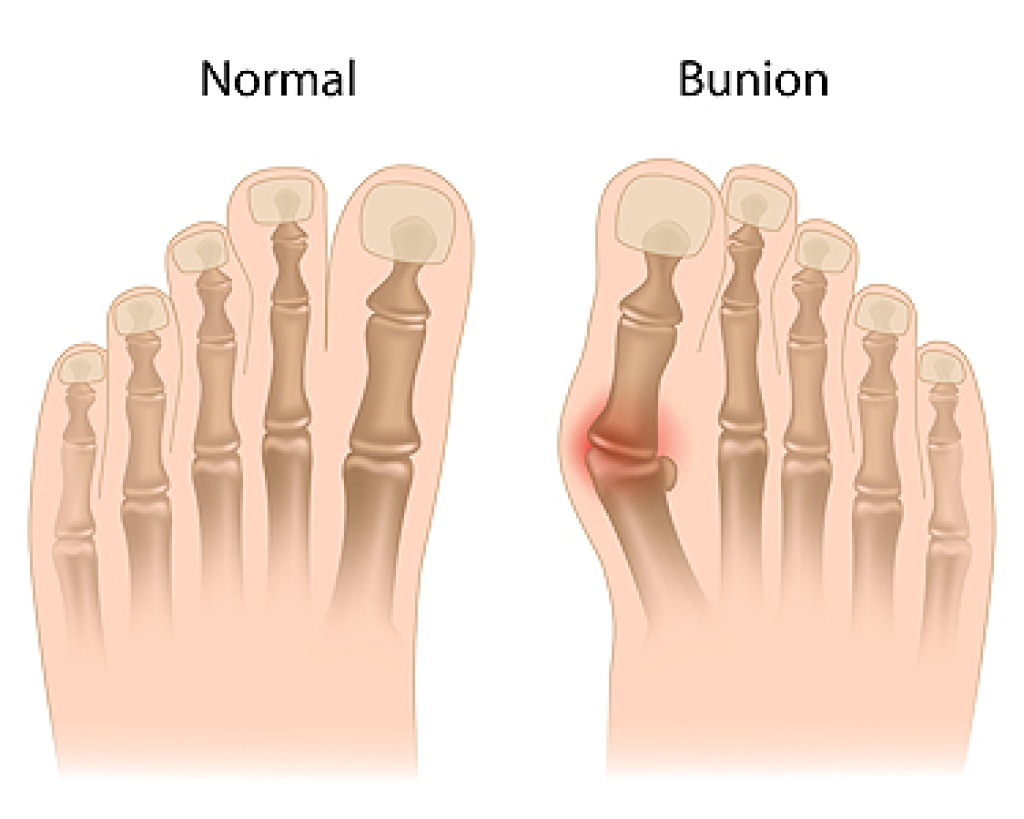
A cheilectomy, pronounced ky-lec-toe-me, is a type of surgery used to remove bone spurs that form around the big toe joint and limit motion. These extra bony bumps develop along the top or sides of the first metatarsal, which is the long bone leading to the big toe, and they can cause pain when the toe bends or when shoes press on the area. This bone spur surgery involves smoothing the bone to create more space in the joint and improve movement. After the spur is removed, many patients notice reduced stiffness, although underlying arthritis can still cause discomfort. A podiatrist can explain whether a cheilectomy is an appropriate treatment, based on how the bone spur affects walking, joint motion, and shoe comfort, especially in enclosed shoes or flip-flops. If you have symptoms of bone spurs in the big toe joint, it is suggested that you make an appointment with a podiatrist for an exam and possible surgical treatment.

Foot surgery is sometimes necessary to treat a foot ailment. To learn more, contact one of our podiatrists of Family Foot Health Center. Our doctors will assist you with all of your foot and ankle needs.

When Is Surgery Necessary?

Foot and ankle surgery is generally reserved for cases in which less invasive, conservative procedures have failed to alleviate the problem. Some of the cases in which surgery may be necessary include:

  • Removing foot deformities like bunions and bone spurs
  • Severe arthritis that has caused bone issues
  • Cosmetic reconstruction

What Types of Surgery Are There?

The type of surgery you receive will depend on the nature of the problem you have. Some of the possible surgeries include:

  • Bunionectomy for painful bunions
  • Surgical fusion for realignment of bones
  • Neuropathy decompression surgery to treat nerve damage

Benefits of Surgery

Although surgery is usually a last resort, it can provide more complete pain relief compared to non-surgical methods and may allow you to finally resume full activity.

Surgical techniques have also become increasingly sophisticated. Techniques like endoscopic surgery allow for smaller incisions and faster recovery times.

If you have any questions, please feel free to contact our office located in Rogers and Berryville, AR . We offer the newest diagnostic and treatment technologies for all your foot care needs.


Read more about Foot Surgery

Ankle Sprain Types and Podiatric Care

An ankle sprain occurs when the ligaments that support the ankle are stretched or torn due to sudden twisting or impact. The most common type is an inversion sprain, where the foot rolls inward and damages the outer ankle ligaments. An eversion sprain happens when the foot rolls outward, affecting the inner ligaments and often causing more severe injury. Ankle sprains are also classified by grades. A mild grade involves ligament stretching with slight pain and swelling. A moderate grade includes partial tearing, increased swelling, bruising, and difficulty walking. A severe grade involves complete ligament rupture with significant pain, instability, and loss of function. A podiatrist can help by accurately diagnosing the type and severity of the sprain, providing immobilization, if needed, guiding rehabilitation, and recommending supportive footwear or orthotics. If you have ankle pain, swelling, or difficulty bearing weight, it is suggested that you consult a podiatrist who can provide effective relief and treatment techniques.

Ankle sprains are common but need immediate attention. If you need your feet checked, contact one of our podiatrists from Family Foot Health Center. Our doctors can provide the care you need to keep you pain-free and on your feet.

How Does an Ankle Sprain Occur?

Ankle sprains take place when the ligaments in your ankle are torn or stretched beyond their limits. There are multiple ways that the ankle can become injured, including twisting or rolling over onto your ankle, putting undue stress on it, or causing trauma to the ankle itself.

What Are the Symptoms?

  • Mild to moderate bruising
  • Limited mobility
  • Swelling
  • Discoloration of the skin (depending on severity)

Preventing a Sprain

  • Wearing appropriate shoes for the occasion
  • Stretching before exercises and sports
  • Knowing your limits

Treatment of a Sprain

Treatment of a sprain depends on the severity.  Many times, people are told to rest and remain off their feet completely, while others are given an air cast. If the sprain is very severe, surgery may be required.

If you have suffered an ankle sprain previously, you may want to consider additional support such as a brace and regular exercises to strengthen the ankle.

If you have any questions please feel free to contact our office located in Rogers and Berryville, AR . We offer the newest diagnostic tools and technology to treat your foot and ankle needs.

Read more about Three Grades of Ankle Sprains

Plantar Warts Can Be Treated!

Plantar warts are small growths that develop on parts of the feet that bear weight. They're typically found on the bottom of the foot. Don't live with plantar warts, and call us today!

Understanding Diabetic Foot Ulcers

A diabetic foot ulcer is an open sore or wound that can develop on the feet of individuals with diabetes, often caused by poor circulation, neuropathy, or pressure on certain areas. These ulcers progress through stages, from superficial skin breakdown to deeper tissue involvement. Classification systems, such as the Wagner diabetic foot ulcer classification, help determine severity by assessing wound size, depth, and the presence of infection or gangrene. Proper assessment allows for targeted treatment and reduces the risk of complications. A podiatrist can evaluate the ulcer, provide wound care, recommend protective footwear, and guide therapies to promote healing and prevent recurrence. If you have diabetes and notice any sores, swelling, or changes in your feet, it is strongly suggested that you are under the care of a podiatrist who can help you to manage this serious condition.

Wound care is an important part in dealing with diabetes. If you have diabetes and a foot wound or would like more information about wound care for diabetics, consult with one of our podiatrists from Family Foot Health Center. Our doctors will assess your condition and provide you with quality foot and ankle treatment.

What Is Wound Care?

Wound care is the practice of taking proper care of a wound. This can range from the smallest to the largest of wounds. While everyone can benefit from proper wound care, it is much more important for diabetics. Diabetics often suffer from poor blood circulation which causes wounds to heal much slower than they would in a non-diabetic. 

What Is the Importance of Wound Care?

While it may not seem apparent with small ulcers on the foot, for diabetics, any size ulcer can become infected. Diabetics often also suffer from neuropathy, or nerve loss. This means they might not even feel when they have an ulcer on their foot. If the wound becomes severely infected, amputation may be necessary. Therefore, it is of the upmost importance to properly care for any and all foot wounds.

How to Care for Wounds

The best way to care for foot wounds is to prevent them. For diabetics, this means daily inspections of the feet for any signs of abnormalities or ulcers. It is also recommended to see a podiatrist several times a year for a foot inspection. If you do have an ulcer, run the wound under water to clear dirt from the wound; then apply antibiotic ointment to the wound and cover with a bandage. Bandages should be changed daily and keeping pressure off the wound is smart. It is advised to see a podiatrist, who can keep an eye on it.

If you have any questions please contact our office located in Rogers and Berryville, AR . We offer the newest diagnostic and treatment technologies for all your foot and ankle needs.

Read more about Wound Care

When Repetitive Stress Leads to Tiny Foot Fractures

Stress fractures are small cracks in a bone that form when repeated pressure outweighs the body’s ability to recover. These injuries often appear in people who increase activity too quickly, spend long hours on hard surfaces, or wear footwear that does not provide enough support. Early signs include a pinpoint ache that becomes sharper during walking or running, and eases with rest. Swelling or mild bruising may develop, and the discomfort usually returns the moment activity resumes. Although the fracture is small, leaving it untreated can lead to a complete break or long-lasting pain. Reducing impact, resting the foot, and adjusting footwear are important first steps toward healing. If you notice persistent pain in one spot on the foot or discomfort that worsens with activity, it is suggested that you schedule an appointment with a podiatrist for a proper evaluation and appropriate treatment.

Stress fractures occur when there is a tiny crack within a bone. To learn more, contact one of our podiatrists from Family Foot Health Center. Our doctors can provide the care you need to keep you pain free and on your feet.

How Are They Caused?

Stress fractures are the result of repetitive force being placed on the bone. Since the lower leg and feet often carry most of the body’s weight, stress fractures are likely to occur in these areas. If you rush into a new exercise, you are more likely to develop a stress fracture since you are starting too much, too soon.  Pain resulting from stress fractures may go unnoticed at first, however it may start to worsen over time.

Risk Factors

  • Gender – They are more commonly found in women compared to men.
  • Foot Problems – People with unusual arches in their feet are more likely to develop stress fractures.
  • Certain Sports – Dancers, gymnasts, tennis players, runners, and basketball players are more likely to develop stress fractures.
  • Lack of Nutrients – A lack of vitamin D and calcium may weaken the bones and make you more prone to stress fractures
  • Weak Bones – Osteoporosis can weaken the bones therefore resulting in stress fractures

Stress fractures do not always heal properly, so it is important that you seek help from a podiatrist if you suspect you may have one. Ignoring your stress fracture may cause it to worsen, and you may develop chronic pain as well as additional fractures.

If you have any questions please contact our office located in Rogers and Berryville, AR . We offer the newest diagnostic and treatment technologies for all your foot and ankle needs.

Read more about Dealing with Stress Fractures of the Foot and Ankle